Kerala Is Hiding India's Best-Kept Birding Secret.
Salim Ali called it the richest bird habitat in peninsular India. That statement was made by the ornithologist who had seen more Indian bird habitats than anyone else of his generation. He wasn't being modest and he wasn't being generous. He was being accurate.
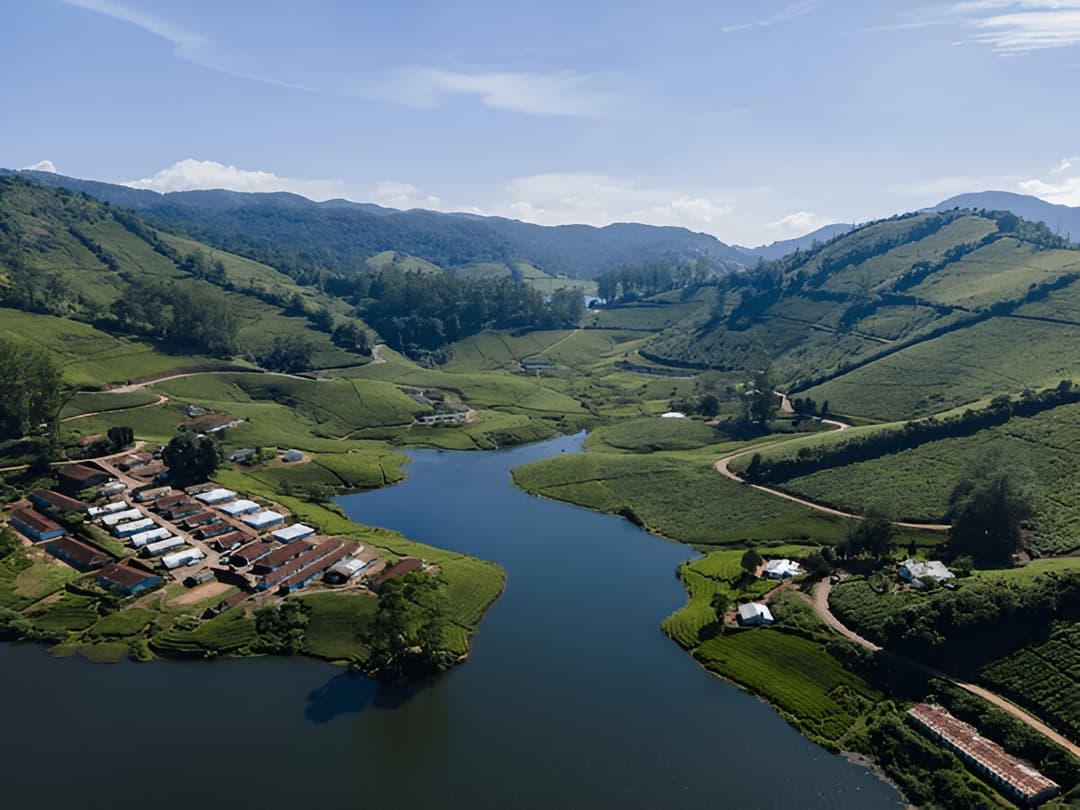
Bird watching in Thattekad produces species counts and encounter qualities that the more famous Indian birding destinations, Bharatpur, Eaglenest, the Himalayan sanctuaries, match in different ways but don't replicate in this specific form. The low-altitude semi-evergreen and moist deciduous forest between the Periyar River's tributaries, the specific micro-climate the Western Ghats produces at this elevation, the endemic species assemblage that exists here and essentially nowhere else, this is the Thattekad combination that Salim Ali identified and that serious birders from across the world have been confirming ever since.
Most Indian travellers have never heard of it. That's the specific situation this blog exists to change.
The Thattekad Bird Sanctuary, officially the Dr. Salim Ali Bird Sanctuary, covers approximately 25 square kilometres in the Ernakulam district of Kerala. The Periyar River forming one boundary. The forest interior producing the bird habitat that the elevation, the rainfall, and the specific vegetation type combine to create.
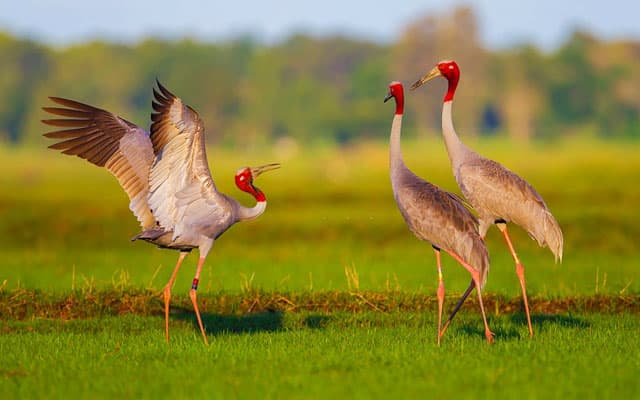
The species list runs above 300. The endemic count is the specific number that makes bird watching in Thattekad the pilgrimage destination that the international birding community has built its Kerala circuit around. The Malabar trogon. The Sri Lanka frogmouth — the nocturnal species whose camouflage on a horizontal branch is so complete that the experienced birder with a torch walks past it until the guide stops and points. The Kerala laughingthrush. The Nilgiri wood pigeon. The brown fish owl working the river margins at dusk.
The Mottled Wood Owl and the Spot-bellied Eagle Owl for the nocturnal walk that the sanctuary enables for the birder whose list specifically requires the owl species that the Western Ghats forests produce.
Bird watching in Thattekad works on a schedule that the sanctuary imposes and that the experienced birder accepts as the correct discipline.
Dawn. 5:30 am at the sanctuary entrance is the correct time, the hour before sunrise producing the maximum activity, the canopy beginning to move before the light is good enough to photograph by, the calls arriving from every direction simultaneously. The first two hours are the morning's birding. Everything after 9 am is supplementary.
The guide is the variable that determines the outcome more than any other factor. The local guides who know the sanctuary's individual birds, which tree the Sri Lanka frogmouth has been roosting in this week, which section of the trail the Malabar trogon hunts from, convert the same trail from a 40-species morning to an 80-species morning. The difference between seeing the forest and reading it is the guide who does the translation.
The nocturnal walk for the owl species. The walk along the Periyar River bank for the kingfisher and the heron species that the waterway concentrates. The trail through the forest interior for the understorey species that the canopy walk doesn't access. Three different habitats within the same sanctuary, each requiring a different time and a different pace.
Bird watching in Thattekad is the primary draw and the primary reason to be here. The surrounding landscape adds dimensions to the visit that extend the trip from a single-purpose excursion to a multi-day stay.
The Bhoothathankettu Dam and Reserve Forest 9.5 kilometres, the reservoir and the adjacent forest producing the waterbird species that the sanctuary's interior forest doesn't. The painted stork, the open-billed stork, the egret and heron colonies at the water margins.
The Inchathotty Suspension Bridge 1.8 kilometres from the Amritara camp, the pedestrian crossing over the Periyar that provides access to the forest on the opposite bank and the additional bird habitat the river's far side holds.
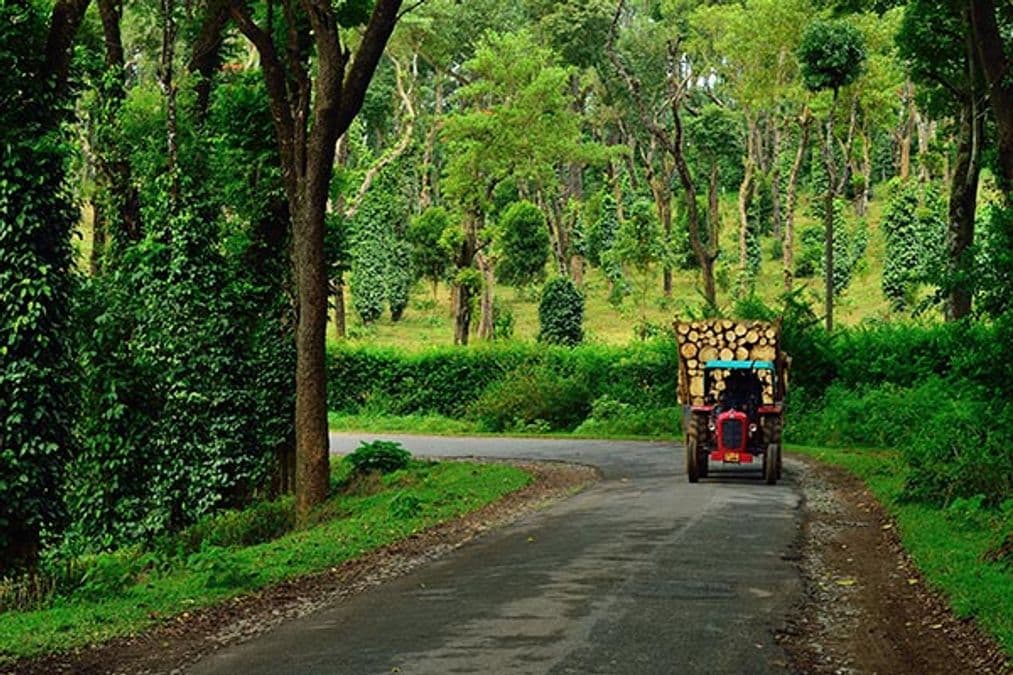
The spice plantations surrounding the sanctuary, the cardamom and pepper estate habitat that the Western Ghats agricultural character produces alongside the forest, the shade trees holding species that the forest interior and the open cultivation both miss.
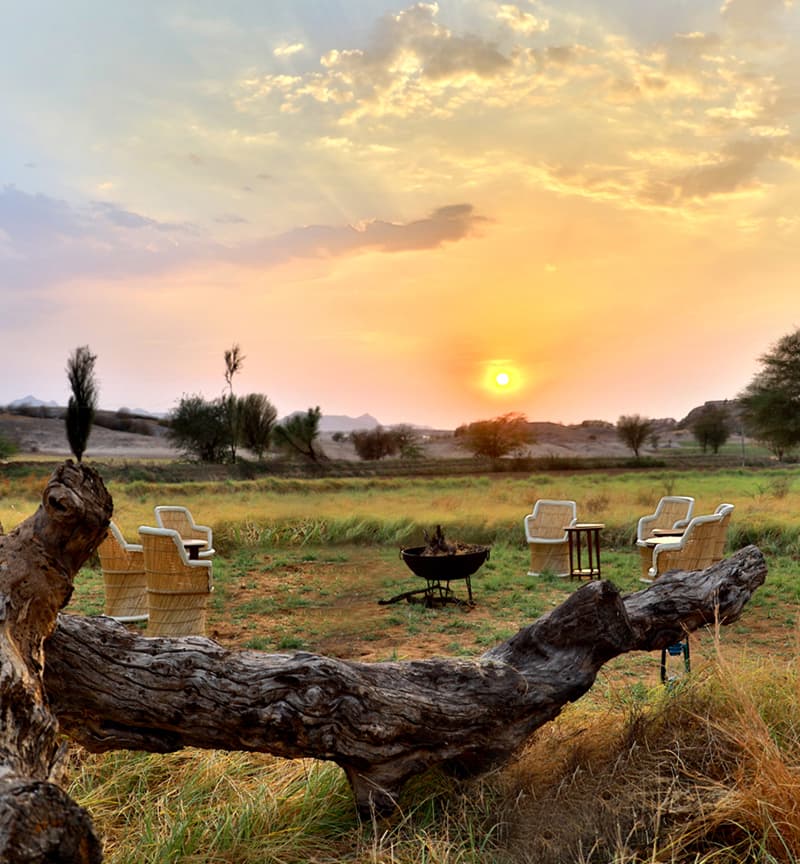
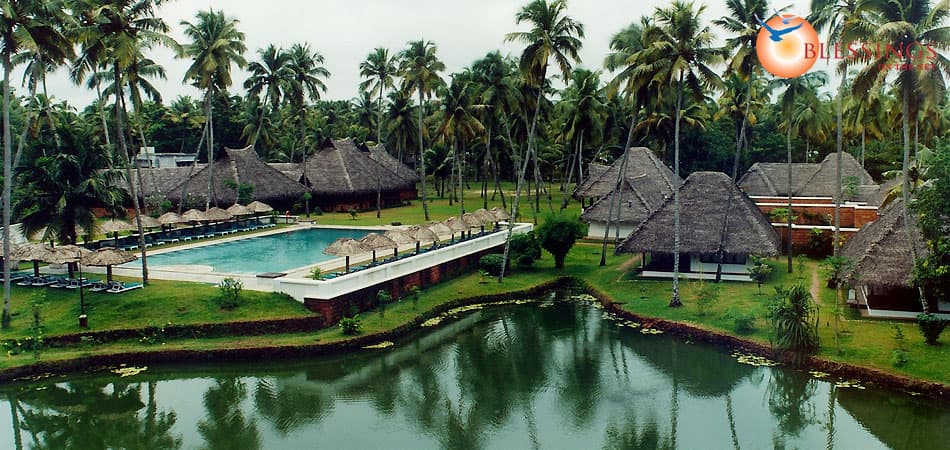
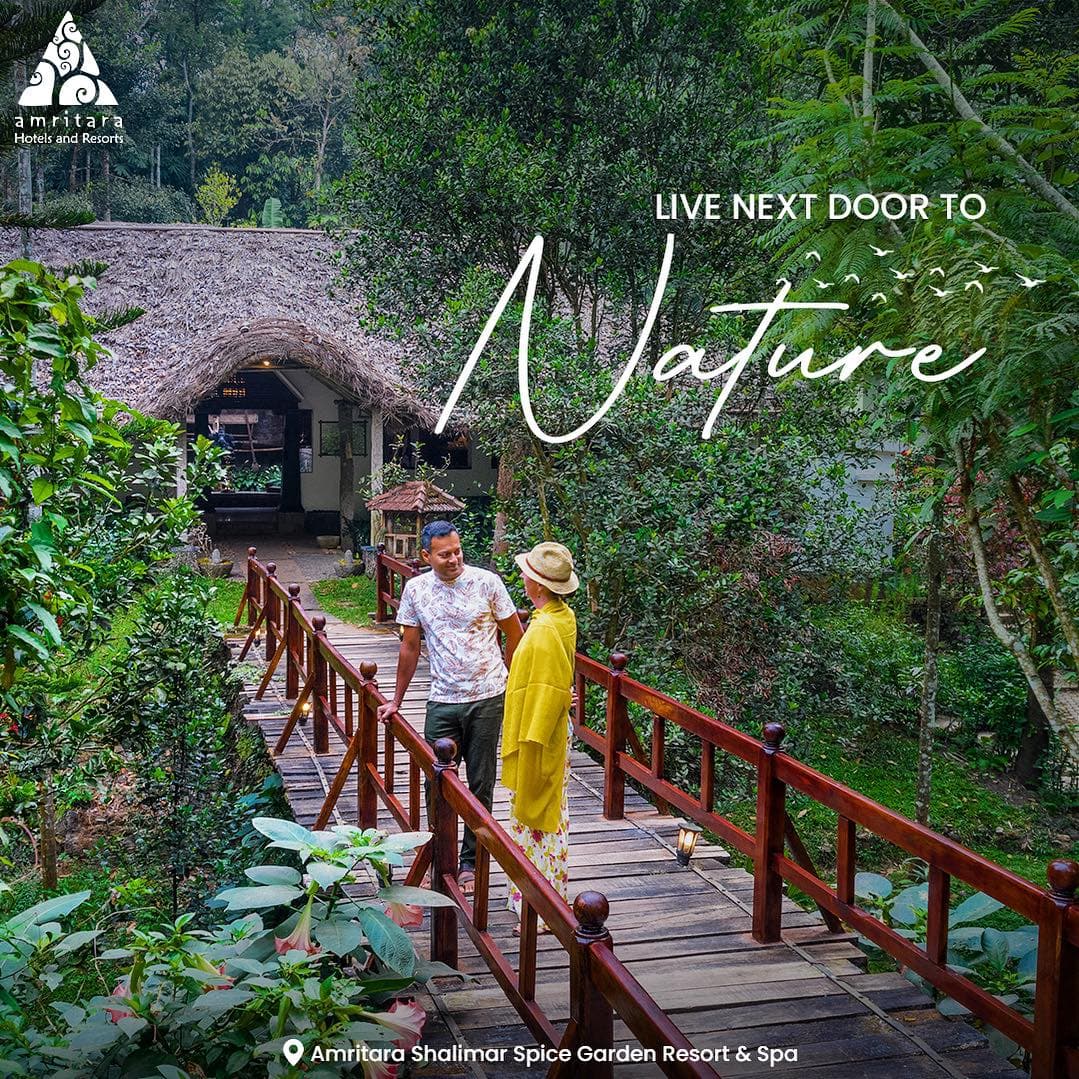
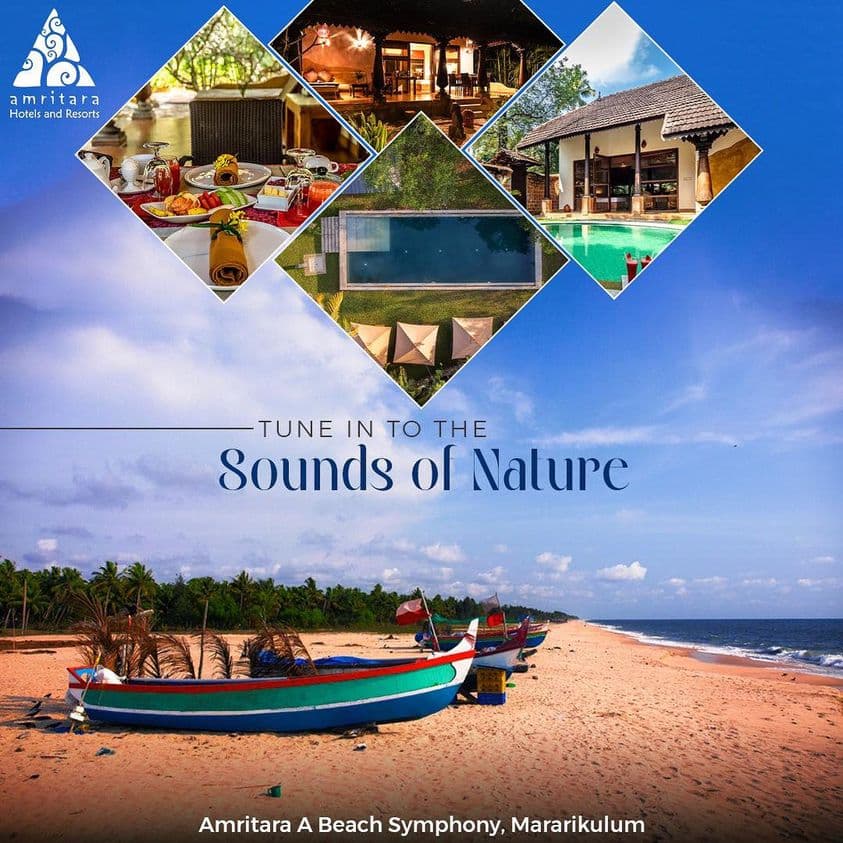
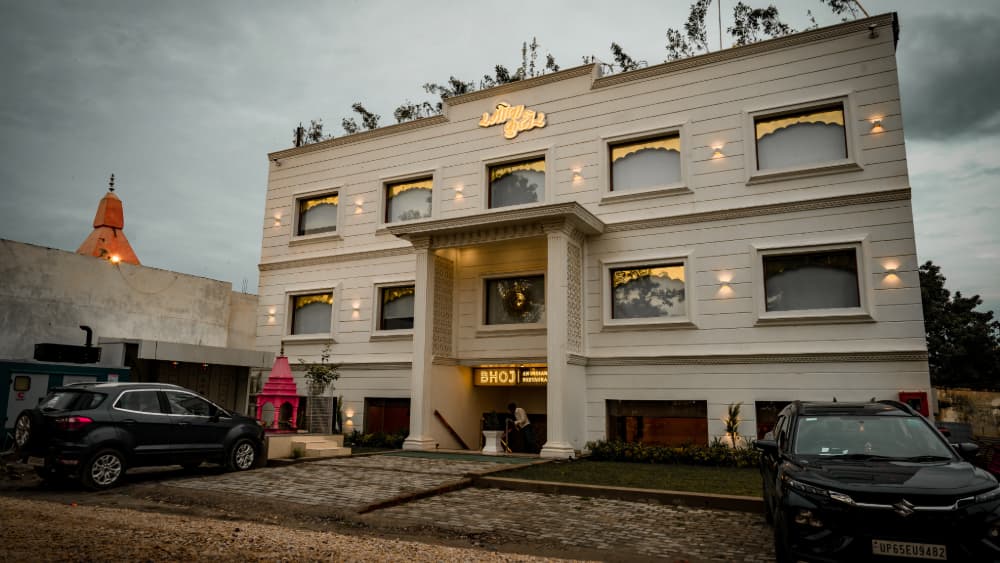
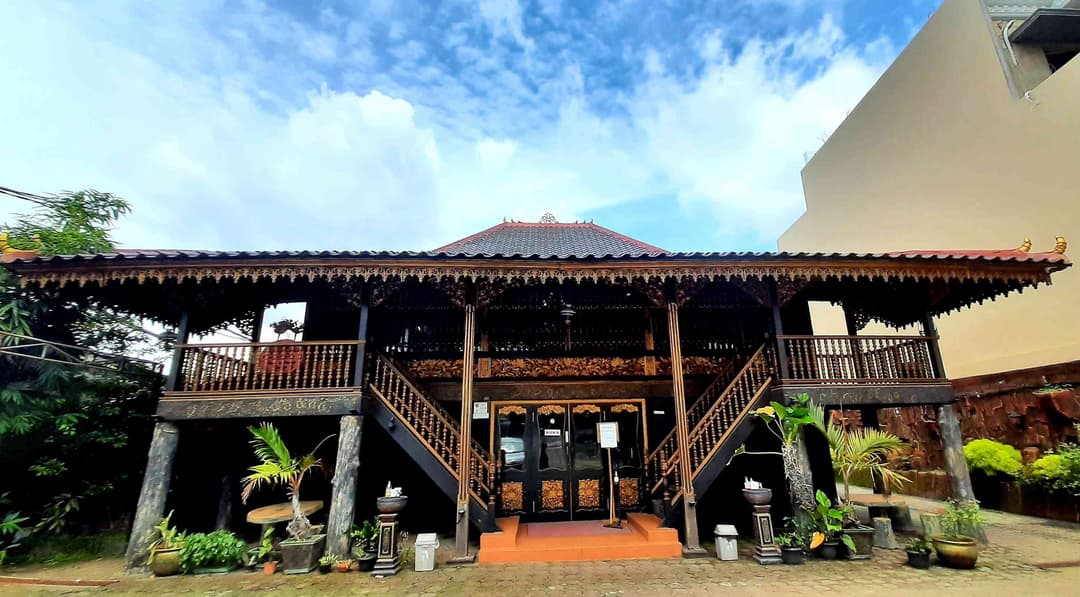
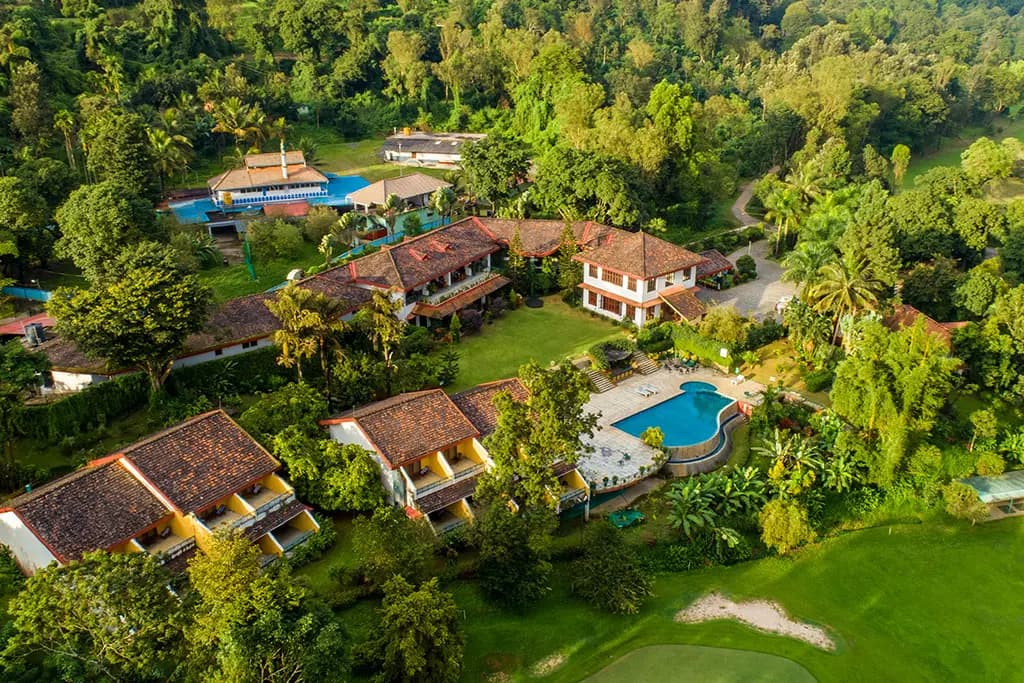
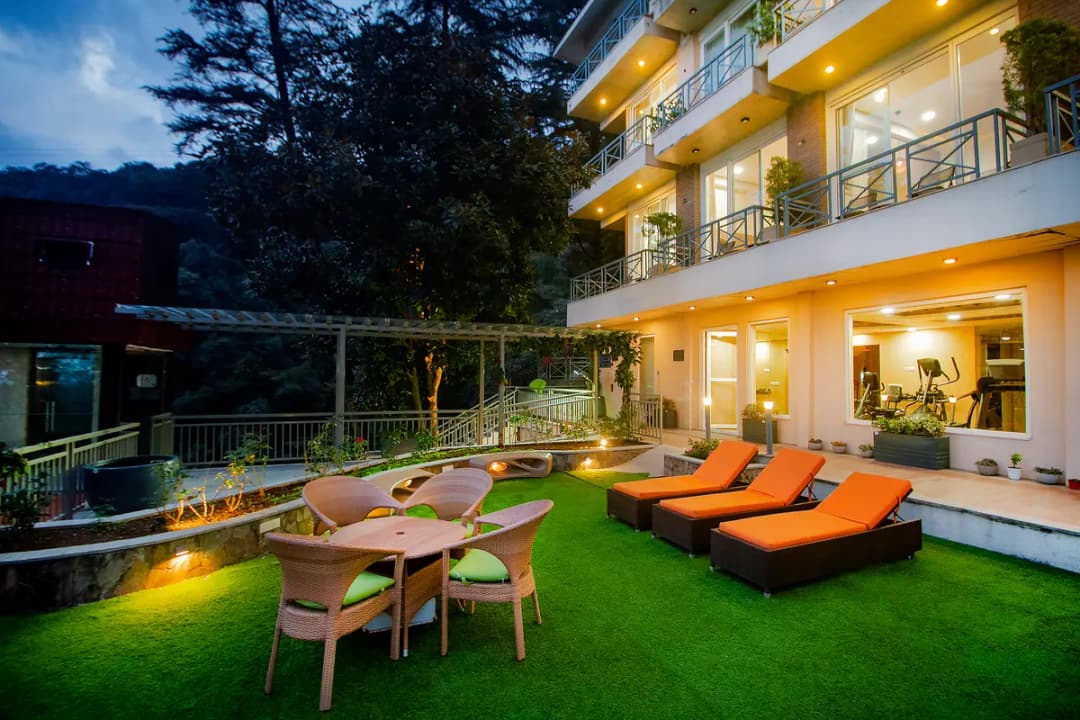
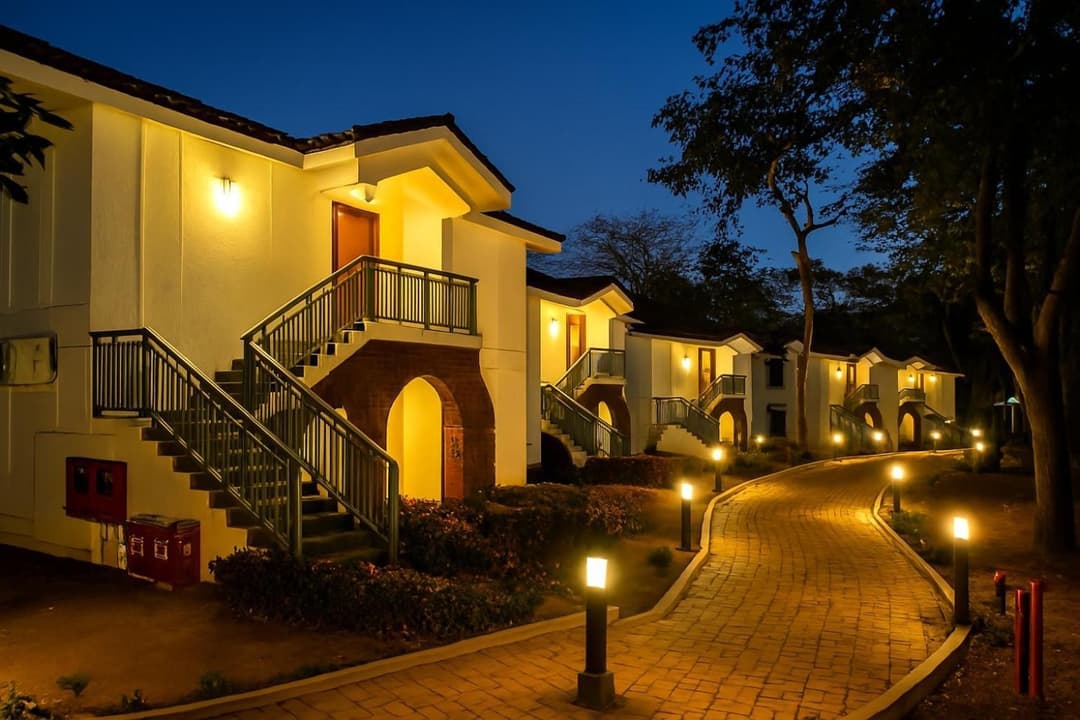
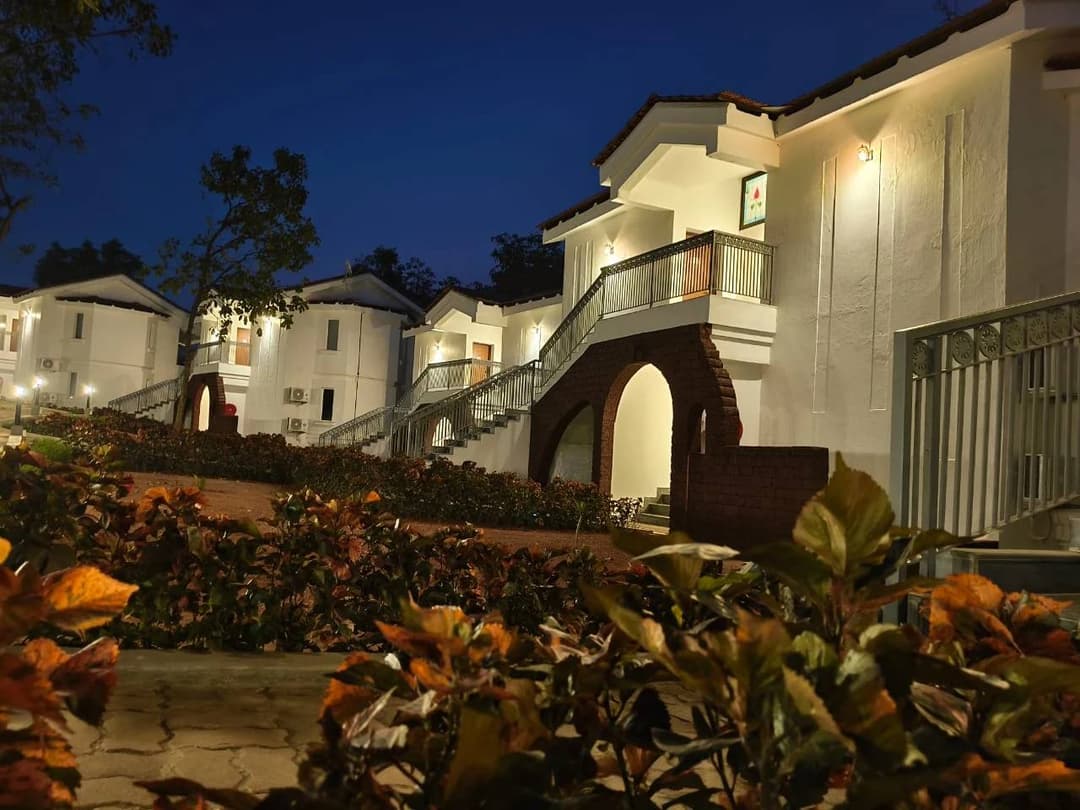
3.3 kilometres from the Thattekad Bird Sanctuary entrance. On the Periyar River bank. The camp that was built specifically for the birder rather than for the tourist who added birding to a Kerala itinerary.
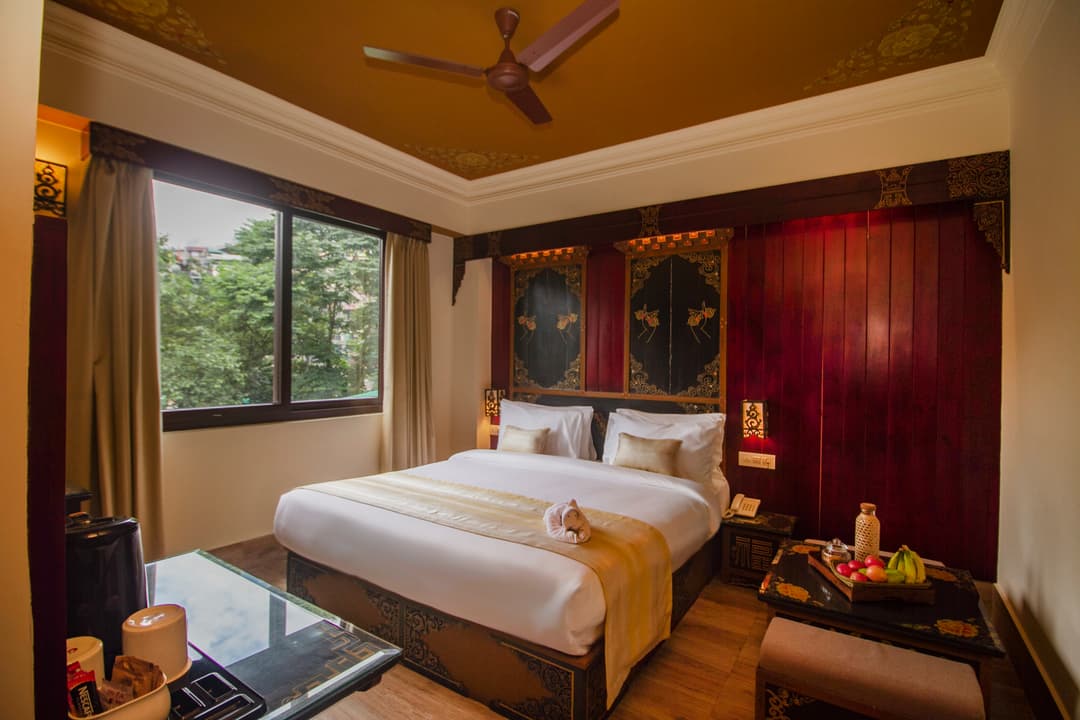
17 Riverview Tents, each 498 square feet, king or twin beds, private balcony facing the river and the forest, AC, separate sitting area. The tent that guests describe as more bungalow than tent, the comfort level that the luxury positioning delivers in a river forest setting. The Periyar audible from the balcony. Wild elephants reported on the opposite bank after dark. Hornbills visiting the camp independently of any scheduled activity.
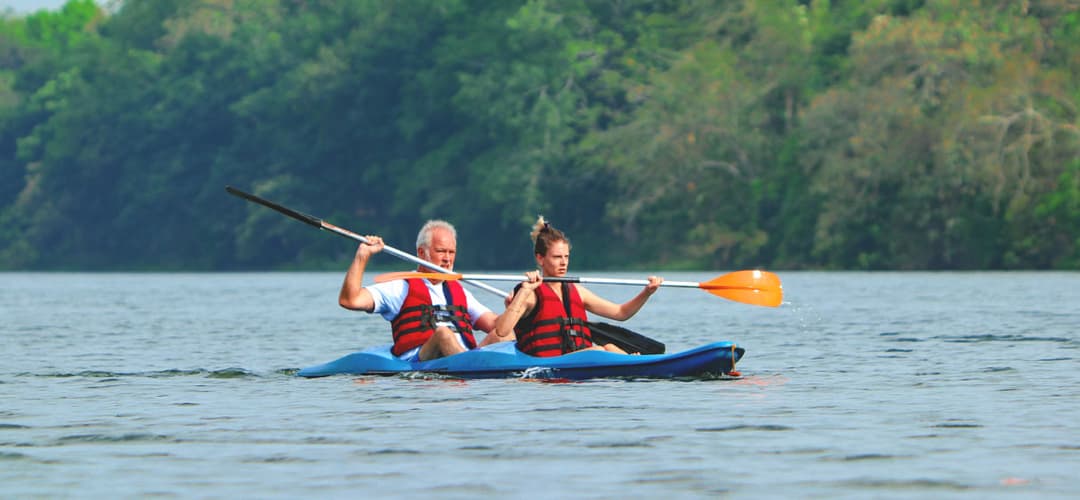
Kayaking on the Periyar. Cycling through the spice plantations. Plantation tours. Archery. The activity range for the companion whose brief isn't birding and who needs occupation through the hours the birder is in the forest.
The food: freshly prepared, the Kerala cuisine that the location warrants, the fish curry with tapioca that guest reviews specifically mention. The river view from the dining area. The packed breakfast available for the 5:30 am sanctuary departure.