Blog Detail
Best Yoga Retreats in India for Mind, Body & Soul | Wellness Escapes

Best Yoga Retreats in India for Mind, Body & Soul | Wellness Escapes
The yoga that most people practice arrived through the export. The studio in London or Sydney or New York, the 60-minute class, the curated playlist, the teacher whose training happened in Bali or Los Angeles or online. This is yoga and it works.
It also isn't quite the same thing as yoga practiced in the country that produced it. In the landscape the tradition was developed within. With teachers whose lineage connects to the original practice rather than to the globalised version of it.
Yoga retreats in India are the specific experience of returning to the source. Not better or worse than the studio practice. Different, in character, in context, in the specific quality of a practice that happens in Rishikesh at 5 am with the Ganges audible from the shala rather than in a basement studio with a Spotify playlist.
Why India Changes the Practice
The setting does something that no studio replicates regardless of the instructor's quality.
The Himalayan hill station at 2,000 metres. The specific quality of air at altitude, the temperature that makes the early morning practice feel like something the body was built for rather than something being imposed on it. The Rishikesh ghats at dawn, the river, the mountains, the specific atmosphere of a town that has been a centre of spiritual practice for millennia. The Kerala backwaters in the monsoon, the green, the rain on the water, the sensory context that the Ayurvedic retreat tradition was developed within.
Yoga retreats in India work because the environment is part of the practice rather than incidental to it. The tradition understood this. The classical texts specify place and time as conditions for practice alongside technique. This isn't philosophical decoration. It's operational instruction.
The Destinations Worth Knowing
- Rishikesh is the obvious answer. Obvious for good reason. The yoga capital of the world designation arrived because the concentration of genuine teachers, the Ganges setting, and the decades of serious practice that the town accumulated created something that no other destination has replicated in the same form. The Parmarth Niketan. The Sivananda Ashram. The teacher training programmes that send qualified instructors across the world, all of it concentrated in a hill town at the Himalayan foothills.
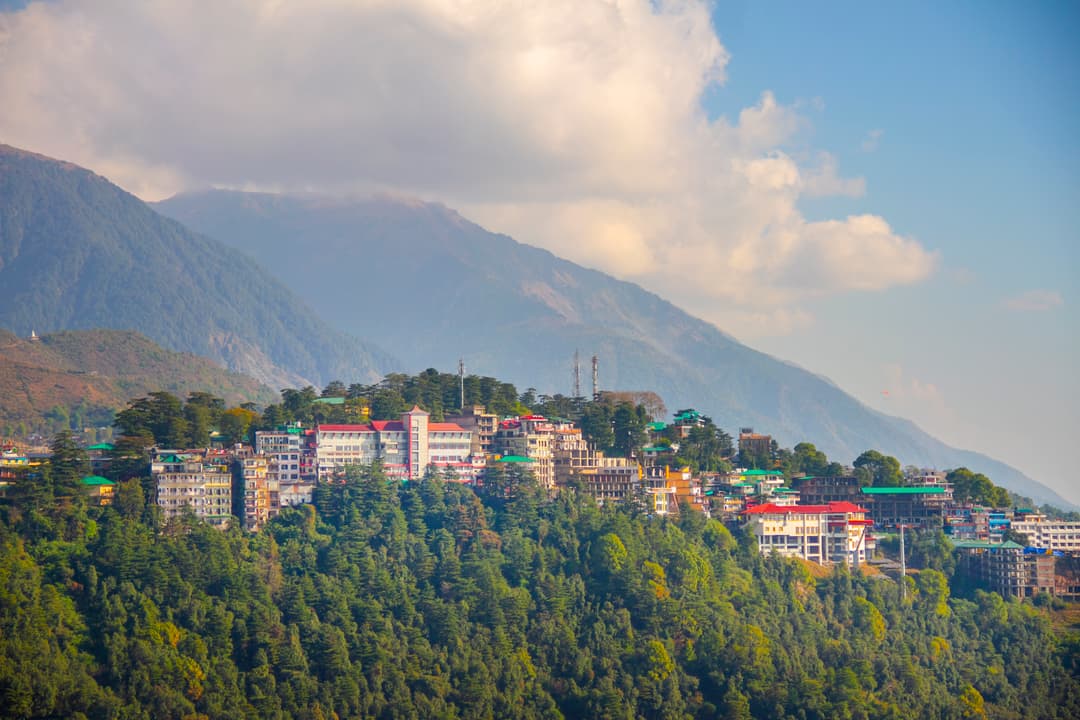
- Mussoorie, the Queen of Hills at 2,000 metres, produces a different version of the Himalayan yoga brief. The Garhwal range visible on clear mornings, the specific altitude air, the deodar forest surrounding the better retreat properties. Not the spiritual density of Rishikesh. The specific quality of a mountain environment whose elevation and quiet the practice settles into naturally. The retreat that combines the morning yoga with the Landour walks and the valley views from the shala, this is the Mussoorie offering that the hill station's wellness properties are building around.
- Varanasi is the yoga retreat destination that the spiritual seeker rather than the wellness consumer finds. The oldest continuously inhabited city on earth. The Ganges ghats, the morning practice at the river's edge, the aarti, the specific atmosphere of a city that has been conducting ritual alongside the water for 3,000 years. The yoga here is inseparable from the philosophical context that produced it. The retreat in Varanasi is the one that asks the practitioner to sit with the larger questions that the practice was originally designed to approach. Not comfortable. Genuinely transformative.
- Mysore in Karnataka, the home of the Ashtanga Vinyasa tradition as K. Pattabhi Jois developed it. The Shri K. Pattabhi Jois Ashtanga Yoga Institute that serious practitioners make annual pilgrimages to. Theyoga retreats in Mysore are specifically Ashtanga-oriented in a way that no other destination offers, the tradition in the place it was systematised.
- Dharamshala for the integration of the Buddhist meditation tradition with the yoga practice, the specific McLeod Ganj retreat format that combines both in the Himalayan setting. The Tibetan cultural layer adding the philosophical dimension that the pure yoga retreat occasionally leaves unaddressed.
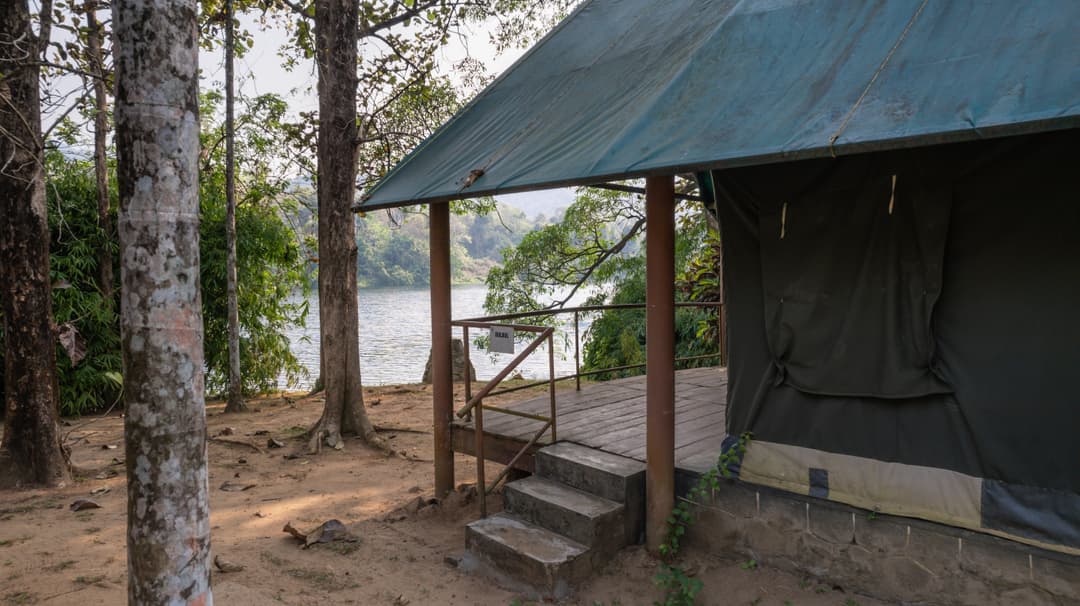
- Mararikulam on Kerala's central coast is the specific answer for the practitioner whose retreat brief combines yoga with genuine Ayurvedic treatment in the coastal setting that the Kerala tradition specifically developed within. The quiet fishing village character, genuinely quiet, the tourist infrastructure present but not overwhelming, produces the sensory environment that the retreat requires. The coconut groves, the Arabian Sea a short walk from the property, the Ayurvedic practitioners whose families have been in this tradition for generations. The integrated programme, morning yoga, afternoon treatment, the diet the practitioner prescribed, the evening pranayama at the water's edge, is available here in a form that the more famous Kerala beach destinations have allowed the tourist economy to dilute.
- Kerala's broader Ayurvedic retreat corridor, the combination of yoga and treatment that the coastal and backwater properties deliver as an integrated programme rather than two offerings bolted together. The complete system rather than the individual component.
What to Look For Before Booking
The yoga retreats market in India ranges from the genuinely transformative to the Instagram backdrop with a morning class attached.
The teacher's lineage matters. The programme that runs a morning class and calls itself a retreat is different from the residential programme where the practice runs through the full day, the morning asana, the pranayama, the meditation, the philosophy study, the diet that supports the practice rather than working against it.
The duration is the second variable. The weekend retreat produces a pleasant experience. The two-week programme produces an actual shift, in the practice, in the understanding, in the specific relationship with the body that serious yoga produces and that the 60-minute class rarely has time to reach.
The setting is the third. The yoga retreats that work are the ones where the environment is part of the brief. The Rishikesh morning. The Mararikulam coastal evening. The Mussoorie altitude. The Varanasi ghat at dawn. These aren't backdrops. They're part of what the practice is doing.
The Practice Worth Making the Trip For
India invented this. Not the export version, the original. The tradition, the teachers, the landscape, the specific atmosphere of a country where the practice is cultural rather than commercial.
Yoga retreats in India, whether in Rishikesh's river town, Mussoorie's Himalayan ridge, Varanasi's ancient ghats, or Mararikulam's quiet Kerala coast, are the specific experience of practicing yoga in the country whose civilisation produced it.
The studio is the copy. The source is here.