Blog Detail
Rejuvenate Naturally with Authentic Ayurvedic Therapies & Wellness

Rejuvenate Naturally with Authentic Ayurvedic Therapies & Wellness
Ayurvedic Therapies, The Ancient System That Modern Wellness Is Still Catching Up To.
The wellness industry produces a new treatment category approximately every eighteen months. Cold plunge. Red light therapy. Infrared sauna. Each one arrives with clinical studies and celebrity endorsements and a waiting list at the better urban spas.
Ayurvedic therapies have been running for 5,000 years without the press cycle. The system that the Indian subcontinent developed, the understanding of the body as a combination of doshas, the treatments calibrated to individual constitution rather than generic symptom, the plant-based preparations that the tradition refined over millennia, is not a trend. It's the source material that most modern wellness borrows from without attribution.
Understanding what the system actually involves changes how the treatments are approached and what they produce.
The Dosha Framework, Why It Matters
Ayurveda operates on a body-type classification that Western medicine doesn't use and that changes everything about the treatment approach.
- Vata: The air and space constitution. Vata-dominant people tend toward anxiety, dryness, irregular digestion, the restless quality that the modern work schedule amplifies. The Ayurvedic treatments for Vata focus on grounding, warmth, the oil-based therapies that the dry constitution specifically needs.
- Pitta: The fire constitution. Heat, intensity, the tendency toward inflammation and irritability. Pitta treatments cool and calm. The specific herbs and oils chosen for their cooling properties. The diet recommendations that counteract the excess heat the Pitta body produces.
- Kapha: The earth and water constitution. Heaviness, congestion, the tendency toward sluggishness that the Kapha constitution produces when it's out of balance. The Kapha treatments are stimulating rather than calming, the opposite of what most spa visitors expect and exactly what the constitution requires.
This framework is the reason that Ayurvedic therapies work differently from the standard spa menu. The treatment isn't chosen from a list. It's prescribed based on the individual's constitution and the current imbalance. Two people arriving with the same complaint receive different treatments because the underlying cause is different.
The Core Treatments, What They Actually Involve
- Abhyanga: The full body warm oil massage that is the foundation of most Ayurvedic treatment programmes. The oil is chosen for the dosha. The technique is specific, the strokes following the direction of the hair follicles, the rhythm calibrated to produce the specific nervous system response the treatment is targeting. Not relaxation as a byproduct. Relaxation as the designed outcome.
- Shirodhara: The continuous stream of warm oil poured onto the forehead over the third eye point for 30 to 60 minutes. The treatment that produces the specific altered state that most first-time recipients describe with difficulty because the experience doesn't have a Western equivalent. The nervous system response to the continuous warm oil is measurably different from the general relaxation response of a standard massage.
- Panchakarma: The detoxification protocol. Five cleansing procedures applied across a programme of 7 to 21 days depending on the condition and the constitution. Not a spa weekend. An actual therapeutic programme with the dietary restrictions, the preparatory treatments, and the post-treatment protocols that the detoxification requires to produce lasting effect. TheAyurvedic therapies sequence that the tradition was built around and that the abbreviated spa version approximates without fully delivering.
- Nasya: The nasal administration of medicated oils. The specific treatment for the upper respiratory system, the sinuses, the headache conditions and the stress-related tension that accumulates in the head and neck. Unusual in presentation. Consistently effective for the conditions it addresses.
Why the Setting Matters
Ayurvedic therapies work best when the environment supports the treatment rather than contradicting it.
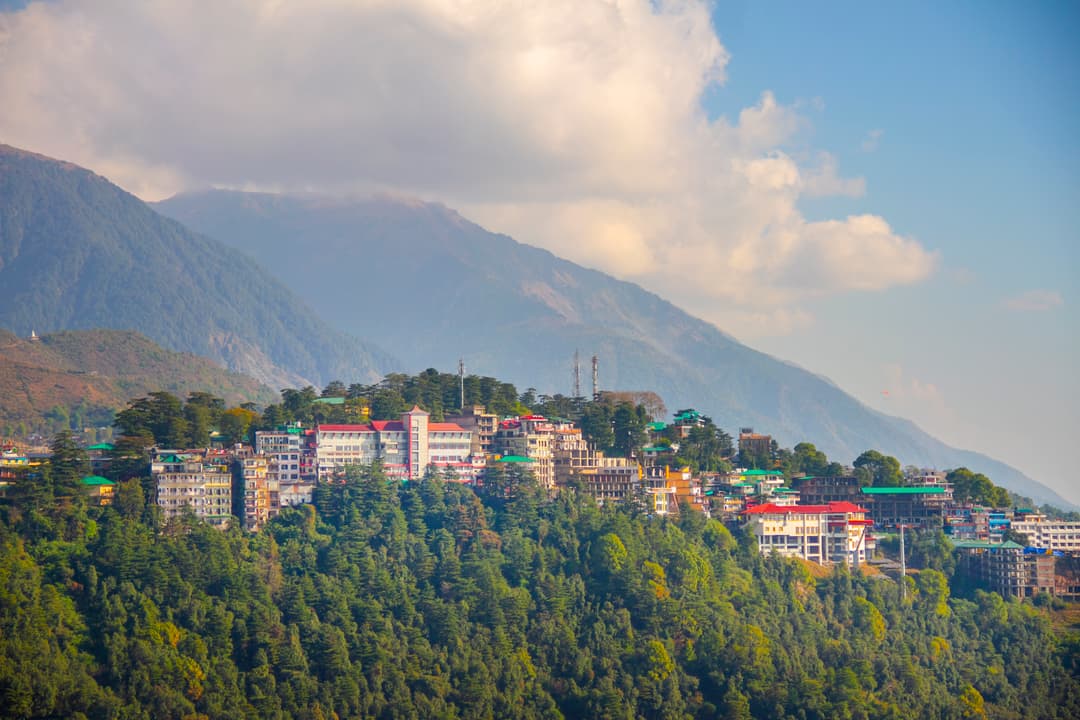
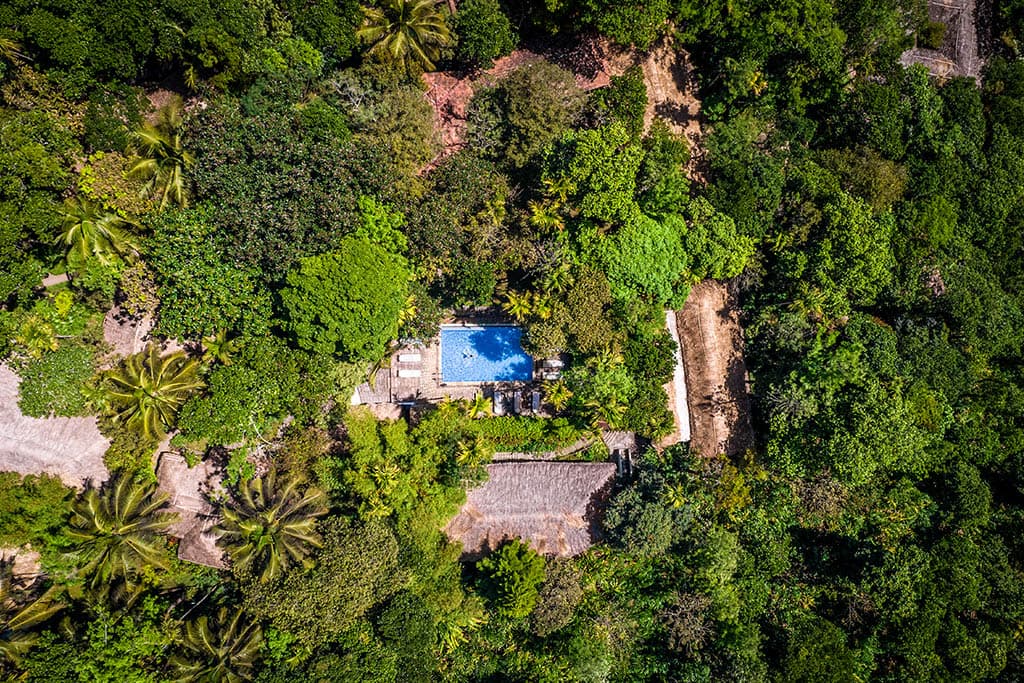
The urban spa that offers an Abhyanga between the Swedish massage and the facial, this is better than nothing. The Ayurvedic treatment centre in a hill station, in a Kerala backwater property, in the specific natural setting that the tradition was developed within, this produces a different result. The nervous system that is already calmed by the altitude, the forest, the absence of the city's sensory load responds to the treatments differently from the nervous system that drove forty minutes through traffic to reach the appointment.
The tradition understood this. The classical Ayurvedic texts specify the environment for treatment alongside the treatment itself. The modern version that applies Ayurvedic technique to a generic spa environment is working against its own methodology.
The System Worth Understanding
Ayurvedic therapies are the longest-running evidence base in human medicine. The treatments that have been refined across 5,000 years of application to every human constitution, every climate, every life stage, this is not alternative medicine. It's the original medicine that the subcontinent developed and that the global wellness industry is spending considerable money to rediscover.
The Abhyanga, the Shirodhara, the Panchakarma, these aren't luxury treatments. They're the specific interventions that a 5,000-year-old system identified for the conditions that the modern lifestyle produces at scale. The rest is catching up.