Blog Detail
Sawan and Mahashivratri at Markandey Mahadev Temple

Sawan and Mahashivratri at Markandey Mahadev Temple
Table of Contents
- Why These Two Festivals Hit Different at Markandey Mahadev Temple
- What Happens in the Sawan Month at Markandey Mahadev Temple?
- Mahashivratri at Markandey Mahadev Temple: The Night the Temple Comes Alive
- The Story Behind the Temple
- Practical Things Worth Knowing before visiting the temple
- Amritara The Samagam
- FAQs
Why These Two Festivals Hit Different at Markandey Mahadev Temple
There are Shiva temples across India. There are festivals at all of them. But Markandey Mahadev Temple in Varanasi carries a specific weight during Sawan and Mahashivratri that has to do with who the temple is dedicated to and what happened here according to Hindu scripture. Markandeya, the young sage who refused to accept death and, through pure devotion to Shiva, defeated it, is the figure at the center of this temple's story. When the most sacred month for Shiva worship arrives, and when the night that celebrates Shiva's cosmic significance comes around each February, this temple on the Ganga bank in Varanasi becomes one of the more charged pilgrimage destinations in the city. And Varanasi, which already has more sacred sites per square kilometer than most countries have in total, is saying something when one location stands out.
What Happens in the Sawan Month at Markandey Mahadev Temple?
Sawan, the monsoon month in the Hindu calendar, typically falling between July and August, is the month when Shiva devotion reaches its annual peak across India. The Kanwar Yatra pilgrims carrying Ganga water to their home temples. The Monday fasts. The specific energy of a month when Shiva worship is not an individual practice but a collective one happening simultaneously across the country.
At Sawan at Markandey Mahadev Temple, the atmosphere shifts from the regular reverence of the other eleven months into something more concentrated. The early morning abhishek, the ritual bathing of the Shivalinga with milk, honey, and Ganga water, draws significantly larger numbers during Sawan. The Monday of Sawan is the specific day when the queue forms before sunrise and the temple stays active through the entire day.
The location on the Ganga makes Sawan at Markandey Mahadev Temple distinctly significant. The pilgrims who collect Ganga water specifically to offer at this temple are connecting the river with the shrine in the way that the temple's riverbank position was always intended to enable. The combination of the Ganga and the Sawan devotion produces a specific atmosphere that the temple carries through the entire month.
Mahashivratri at Markandey Mahadev Temple: The Night the Temple Comes Alive
Mahashivratri at Markandey Mahadev Temple is a different kind of experience from the Sawan visits. Where Sawan is a month of sustained devotion with peaks on the Mondays, Mahashivratri is a single night that concentrates everything into twelve hours.
The legend connected to this night, Shiva's cosmic dance, the marriage of Shiva and Parvati, and the night when worshipping Shiva through the night is said to wash away the accumulated karma of a lifetime, gives the festival its specific intensity. Devotees who fast through the day begin the night vigil as the temple illuminates for the occasion.
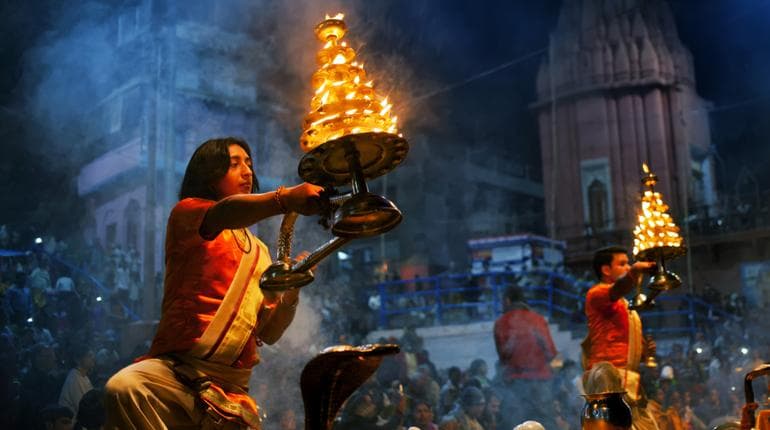
Mahashivratri at Markandey Mahadev Temple sees the four prahars, the four watches of the night, each marked with a separate abhishek and aarti. The first prahar begins at sunset. The fourth ends before dawn. The devotee who stays through all four is participating in the complete Mahashivratri observance in the temple where the story of Markandeya, the victory over death, is literally inscribed in the founding narrative of the sacred space.
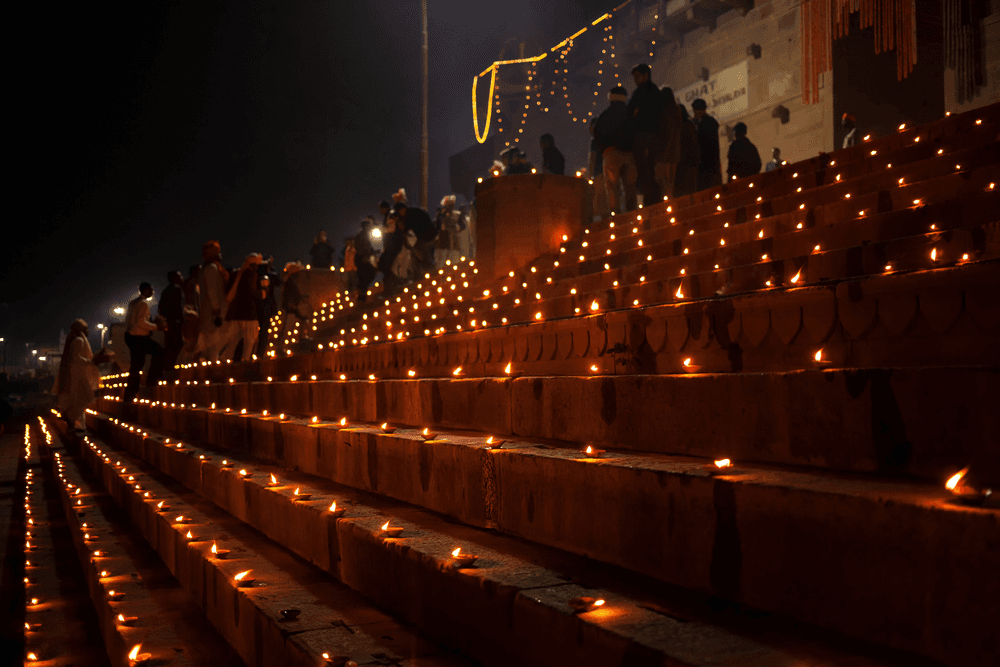
The night has a quality that daytime visits don't. The lamps, the incense, and the chanting that continues through the early hours while the rest of the city sleeps, Mahashivratri at Markandey Mahadev Temple is a night that changes the experience of having been in Varanasi.
The Story Behind the Temple
Markandeya was a devotee destined to die at sixteen. When Yama, the god of death, came for him, Markandeya embraced the Shivalinga in prayer. Shiva emerged and defeated Yama. The site where this happened, on the Ganga bank in Varanasi, is where Markandey Mahadev Temple now stands. The temple therefore represents not just Shiva worship but specifically the idea that devotion to Shiva conquers death itself.
During Sawan and Mahashivratri, the times when Shiva's power and presence are most actively invoked, coming to this specific temple carries the particular significance of the story it embodies. It's not just a pilgrimage visit. It's a visit to the place where mythology became a location.
Practical Things Worth Knowing before visiting the temple
- For Sawan Mondays: Arrive before 6am if you want the morning abhishek without a long wait. The crowd builds fast on Mondays, and the afternoon can mean a two-hour queue.
- For Mahashivratri: Plan to arrive by the first prahar, which begins at sunset. If you're staying for the full night vigil, dress warmly for February nights in Varanasi, which can be cold and damp. The temple area is on the Ganga bank and the river brings the cold in.
Getting there from the main ghat area is easiest by boat or by auto-rickshaw through the Adampura route. The lanes immediately around the temple are narrow; leave early enough that the approach doesn't become the stressful part.
Amritara The Samagam, Varanasi
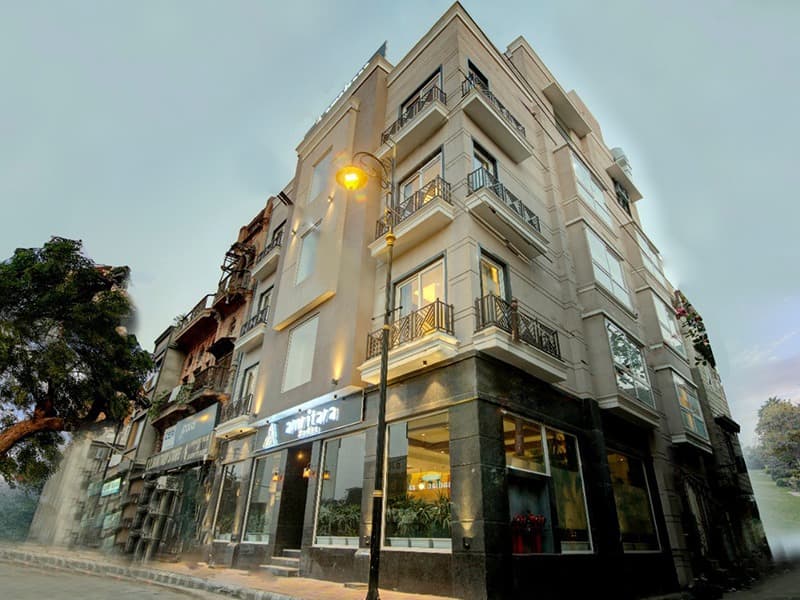
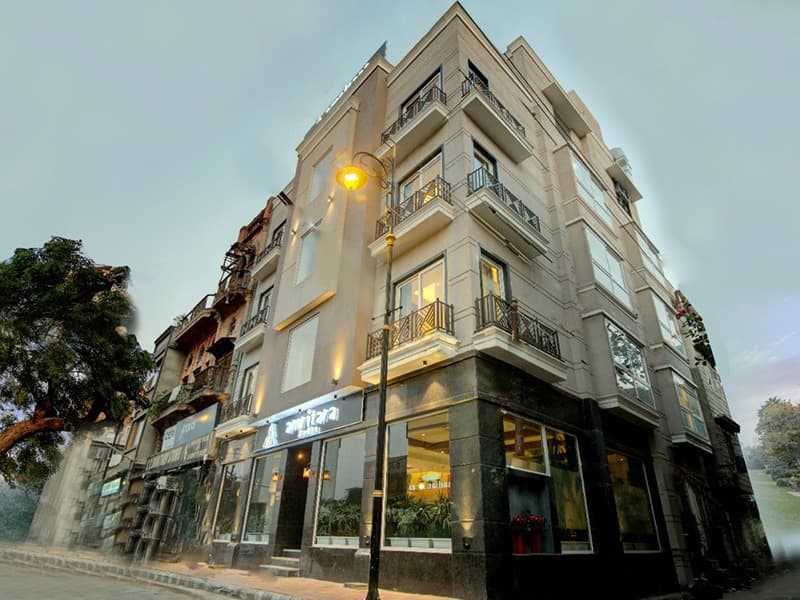
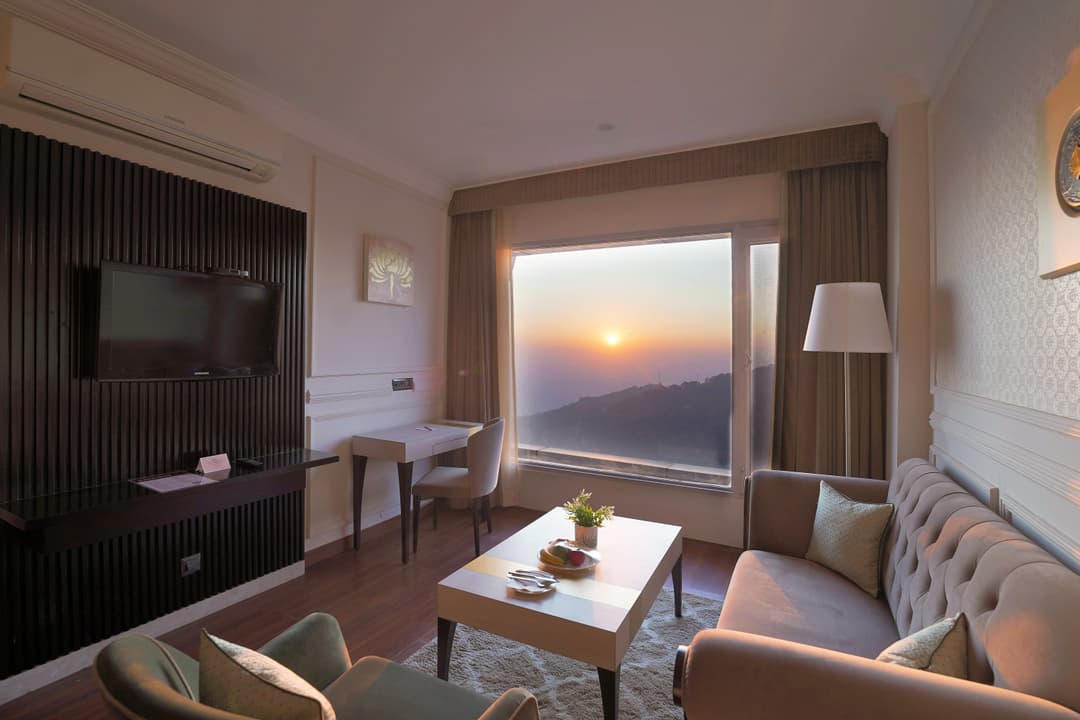
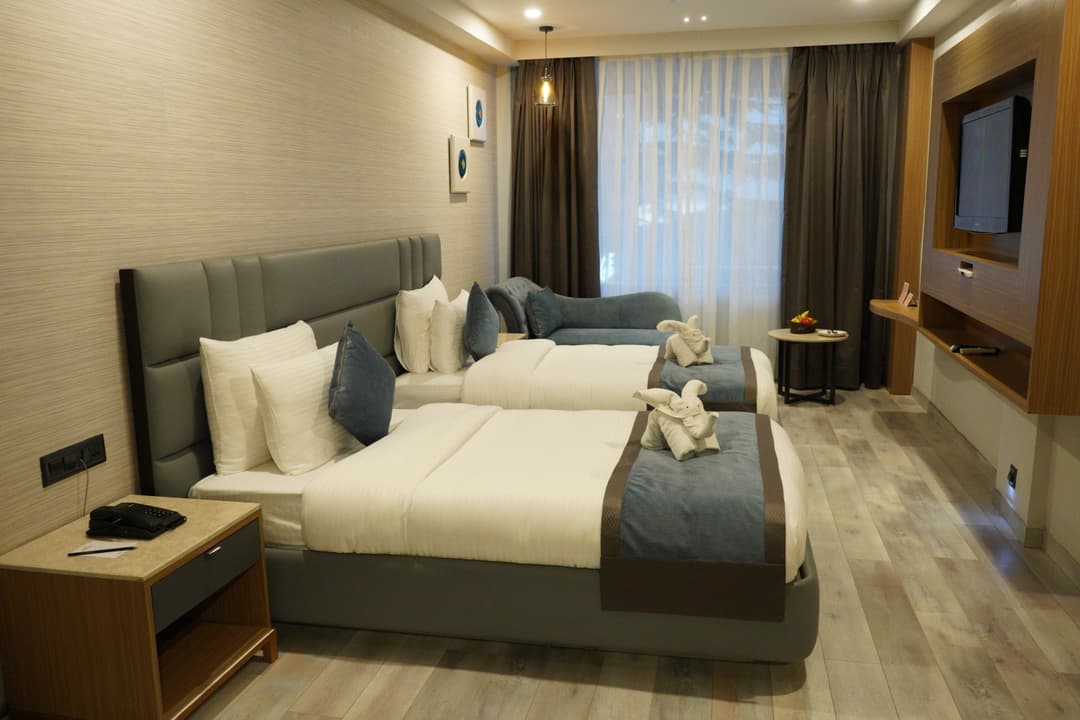
For the pilgrim visiting Markandey Mahadev Temple during Sawan or Mahashivratri, the stay matters as much as the visit. Amritara The Samagam is the new riverside retreat in Varanasi that puts you on the Ganga and within reach of the temple without the logistical friction that the wrong accommodation adds to an already full day of devotion. Wellness sessions, Banarasi cuisine, the river present from the property, and the temple are accessible the way Varanasi's most significant sites should be, by the river route that connects the sacred geography. For the pilgrimage visit that deserves a proper base, the Samagam is it.
FAQs:
1. What is the Markandey Mahadev Temple famous for?
Markandey Mahadev Temple is known for the story of Sage Markandeya, who, according to Hindu mythology, was saved by Lord Shiva from Yama, the god of death. The temple is also called Mahamrityunjaya Temple, and it sits at the confluence of the Ganga and Gomti rivers in Kaithi village, near Varanasi.
2. What are the Markandey Mahadev Temple opening hours?
The temple is open daily from 5:00 AM to 10:30 PM. Hours can shift during Sawan Mondays and Mahashivratri because of crowd volume, so it's worth confirming locally before an early or late visit on those days.
3. What is the story of Markandeshwar Temple?
The sage Mrikandu and his wife Marudvati worshipped Shiva for a child and were told they could have a son with a short life or a short-lived but wise one; they chose wisdom. Their son Markandeya was destined to die at sixteen. When Yama came to take him, Markandeya held onto a Shivalinga and wouldn't let go. Yama's noose caught them both, and Shiva appeared, worshipped here as Kalantaka, the destroyer of time, and drove death back. The temple is believed to stand on the same site, enshrining the same linga.
4. Where can I stay near Markandey Mahadev Temple?
The temple itself is in Kaithi, roughly 30 km from Varanasi, with limited lodging. Most visitors stay in Varanasi city instead, where hotel options are far more plentiful, and make the roughly 45-minute drive out for the visit. Amritara The Samagam, a riverside property in Varanasi, is one option built around exactly that kind of day trip.
5. Which river is Markandey Mahadev Temple on?
It sits at the confluence of the Ganga and the Gomti rivers, a sangam, rather than directly on the Ganga alone. That confluence location is part of why the site is considered spiritually significant independent of the Markandeya story.