Blog Detail
Best Places to Visit in Mussoorie in Summer

Best Places to Visit in Mussoorie in Summer
Mussoorie in summer is not a secret. The roads fill up from May onward, the Mall Road gets crowded by 10 am, and the parking situation tests everyone's patience before the first viewpoint is reached. None of this changes the fundamental fact, the hill station sits at 2,000 metres, the temperature in May and June peaks around 25 degrees, and the Garhwal Himalaya is visible on clear mornings in a way that makes the drive from Dehradun worth every kilometre of switchback.
The places to visit in Mussoorie in summer cover more ground than the Mall Road and Kempty Falls circuit that most first-time visitors default to. The hill station has a layered character, the colonial cantonment history, the Garhwali culture, the forest trails, the viewpoints that the tourist infrastructure doesn't always advertise because they don't charge entry fees. This guide covers what's worth finding.
Landour: The Mussoorie That Most Visitors Miss
Start here. Not the Mall Road.
Landour sits above the main Mussoorie ridge, a cantonment area that the tourist circuit doesn't absorb the way it absorbs the lower town. The roads narrow. The buildings are older. The Char Dukan, four small shops in a row at Landour's bend, serves the specific chai and Maggi that people describe for years afterward, not because the food is extraordinary but because the setting is.
Ruskin Bond lives in Landour. Has for decades. The bookshop at Landour is the destination for the literary traveller who came to Mussoorie for the landscape and found the literature as well. The walk through Landour market before the day coaches arrive from Dehradun, the Mussoorie morning that most visitors don't wake up early enough to find, is the version of the hill station that justifies the trip independently of everything else.
Lal Tibba is Landour's highest point. On clear mornings, May before the haze builds, the early weeks of June before the cloud arrives, the Bandarpunch, Kedarnath, and Chaukhamba peaks are visible from the telescope at the viewpoint. The Himalayan panorama that Mussoorie's elevation makes possible and that the lower Mall Road viewpoints don't produce.
Places to Visit in Mussoorie in Summer: The Core List
- Gun Hill: Accessible by ropeway from the Mall Road, the second-highest point in Mussoorie at 2,122 metres. The aerial view of the town from the cable car. The Himalayan range from the top on clear days. Best visited in the morning before the cloud builds, a pattern that most of the Mussoorie viewpoints share through June.
- Camel's Back Road: The 3-kilometre ridge walk that most Mussoorie residents use and most tourists overlook. The road runs from Kulri to Library Bazaar along the ridge, the valley visible on one side, the town on the other. The rock formation at the end that resembles a camel's back gives it the name. The evening walk here, 5 pm, after the worst of the day's heat, is theplaces to visit in Mussoorie in summer answer for the traveller who wants movement rather than another viewpoint entrance fee.
- Kempty Falls: 15 kilometres from Mussoorie on the Chakrata road. The most visited waterfall in Uttarakhand by most counts. Crowded in peak summer, genuinely crowded, the kind of crowded where the waterfall photo has other people in it regardless of the angle. The water is cold and genuinely refreshing. The crowds are the trade-off. Worth going early morning on a weekday.
- Company Garden: The botanical garden maintained in the valley below Mall Road. The manicured lawns, the flower beds, the specific orderly pleasantness of a British-era garden in a Himalayan setting. Less dramatic than the viewpoints. Better for families and the visitor whose trip includes children who need something other than mountain views.
- Dhanaulti: 25 kilometres from Mussoorie on the Chamba road. Theplaces to visit in Mussoorie in summer extended itinerary that most visitors should consider building in. Dhanaulti is Mussoorie without the crowds, Eco Park, the deodar cedar forest, the views toward the Tehri reservoir, the specific quiet that Mussoorie gave up to its own tourist success. A half-day from the right Mussoorie base.
Getting the Timing Right
- May is the peak. The crowds are there but so is the visibility, the pre-monsoon atmosphere is clearer than the post-monsoon haze that September brings. The Himalayan views that Mussoorie's elevation produces are at their most reliable in May.
- June brings the first hints of monsoon. The afternoons cloud over. The mornings are still clear. The crowds thin slightly as the month progresses and the rain becomes more consistent.
- July and August, the full monsoon. Kempty Falls becomes genuinely dramatic. The forest turns the deepest green of the year. Visibility drops. Some viewpoints are obscured for days at a time. The traveller who comes for the views should avoid this window. The traveller who comes for the landscape itself, the forest, the rain, the specific atmosphere of a hill station in full monsoon, finds something the summer visitor misses entirely.
- The early morning rule applies across all seasons. Every viewpoint in Mussoorie is better at 7 am than at 11 am. The cloud that builds through the morning obscures what the clear early hour shows. The visitor who sleeps until 9am and reaches Lal Tibba at 11 sees a different view from the one who arrived at 7:30. Same hill. Different sky.
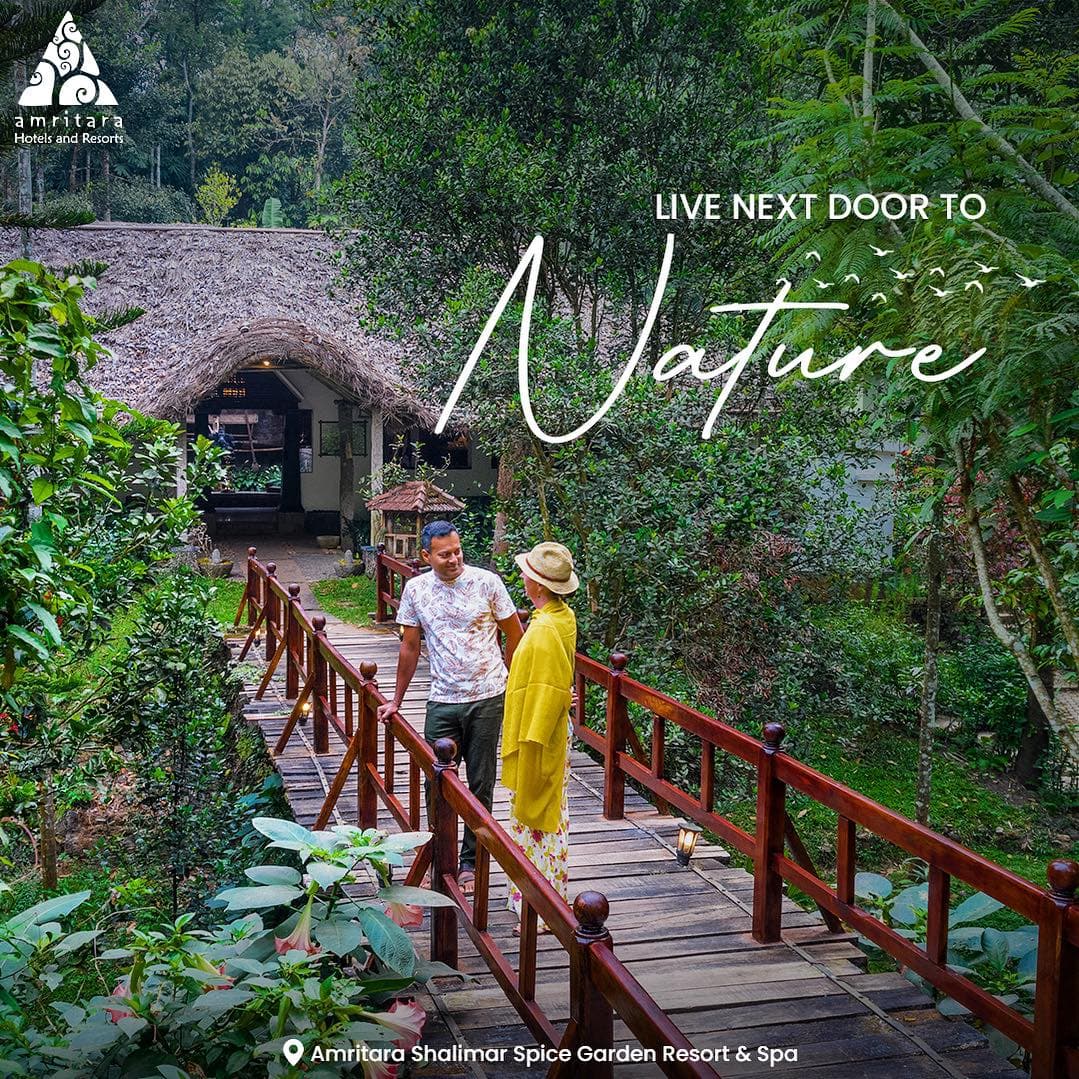
Yog Wellness Resort & Spa by Amritara, Mussoorie
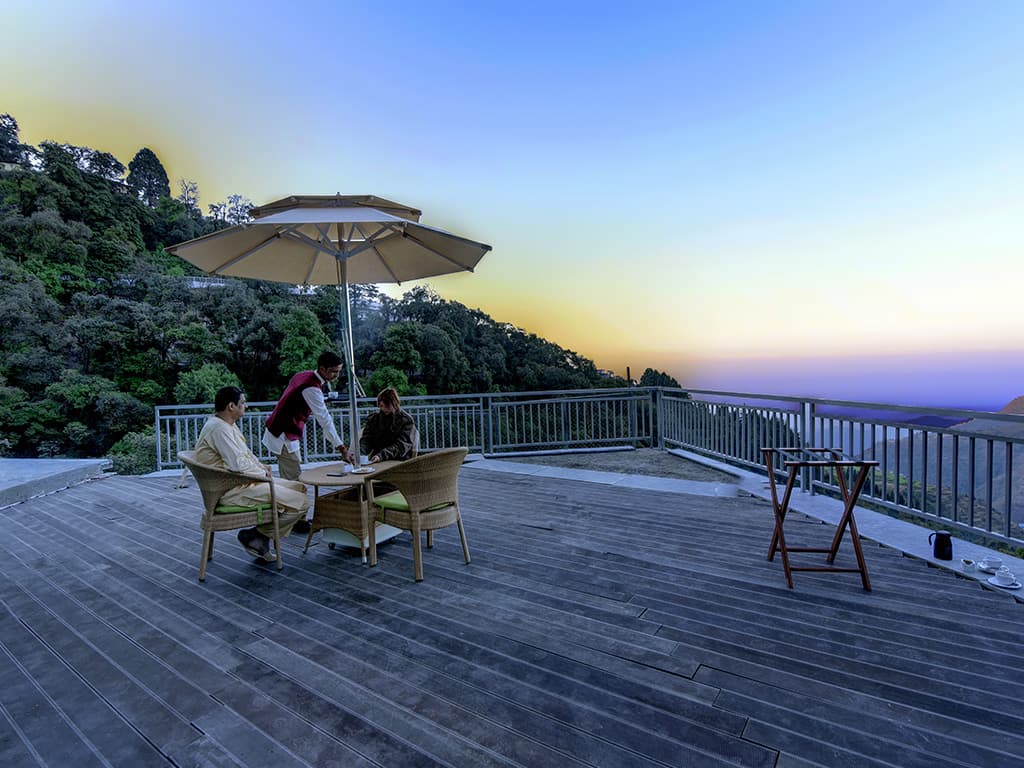
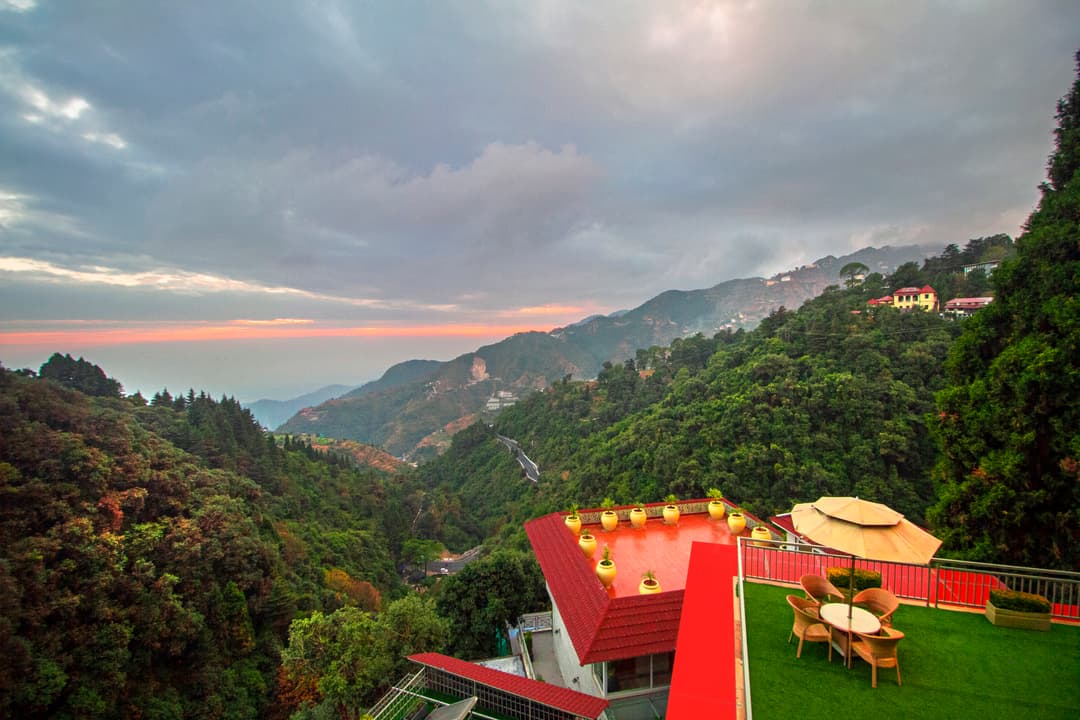
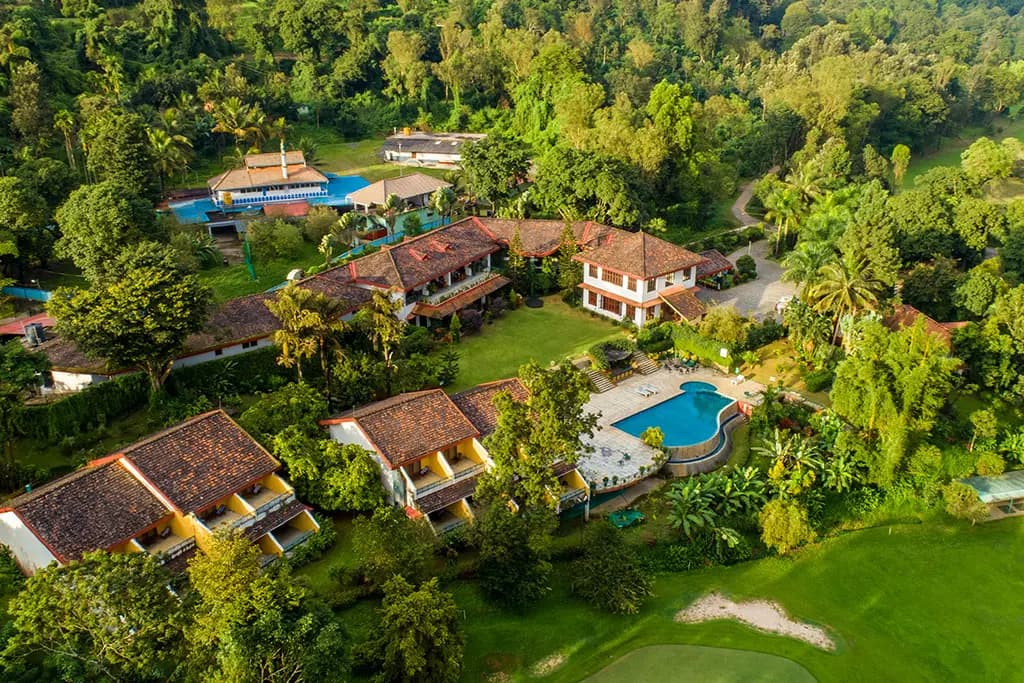
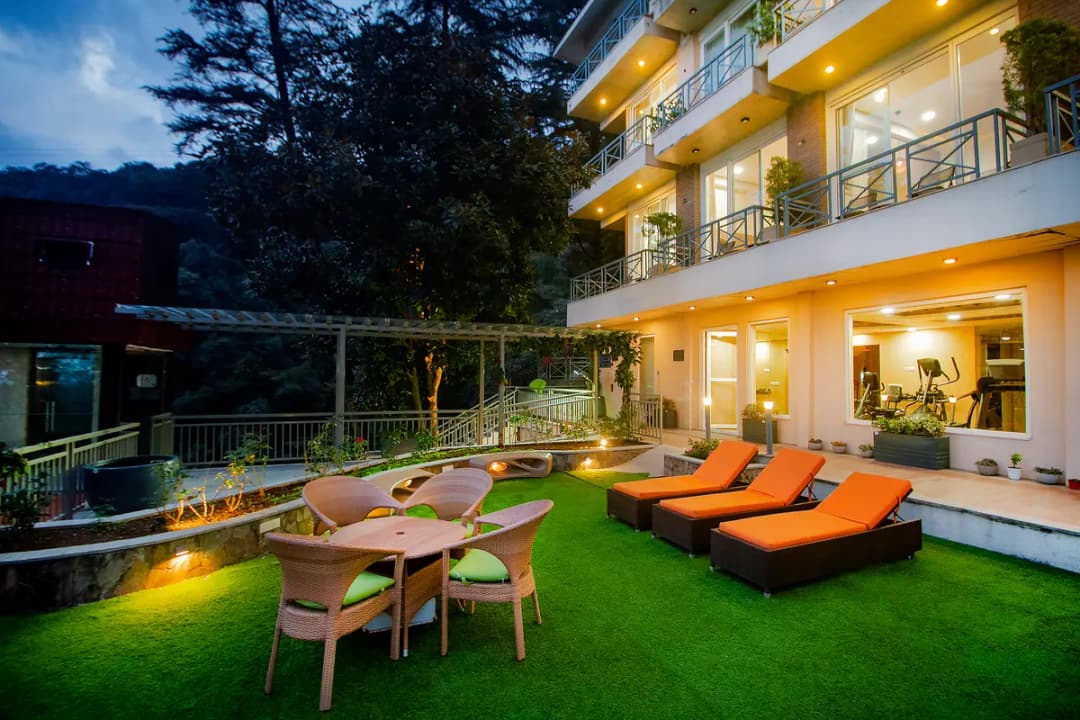
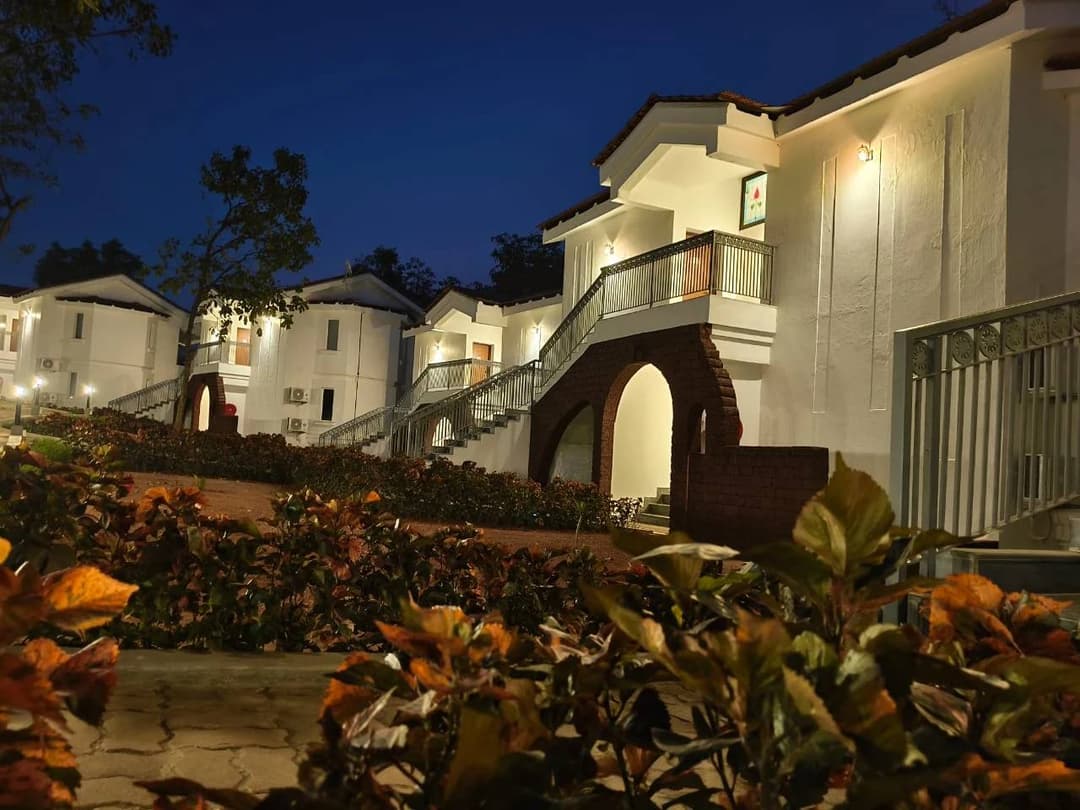
Brook Villa Estate, Nala Paani Road, Barlow Ganj, the property that sits with valley views and the surrounding Mussoorie hills, positioned away from the Mall Road density without being far from the places to visit in Mussoorie in summer that the trip is built around.
Part of the Amritara Hotels & Resorts portfolio, a brand operating across 30-plus destinations in India with a specific emphasis on wellness and nature settings.
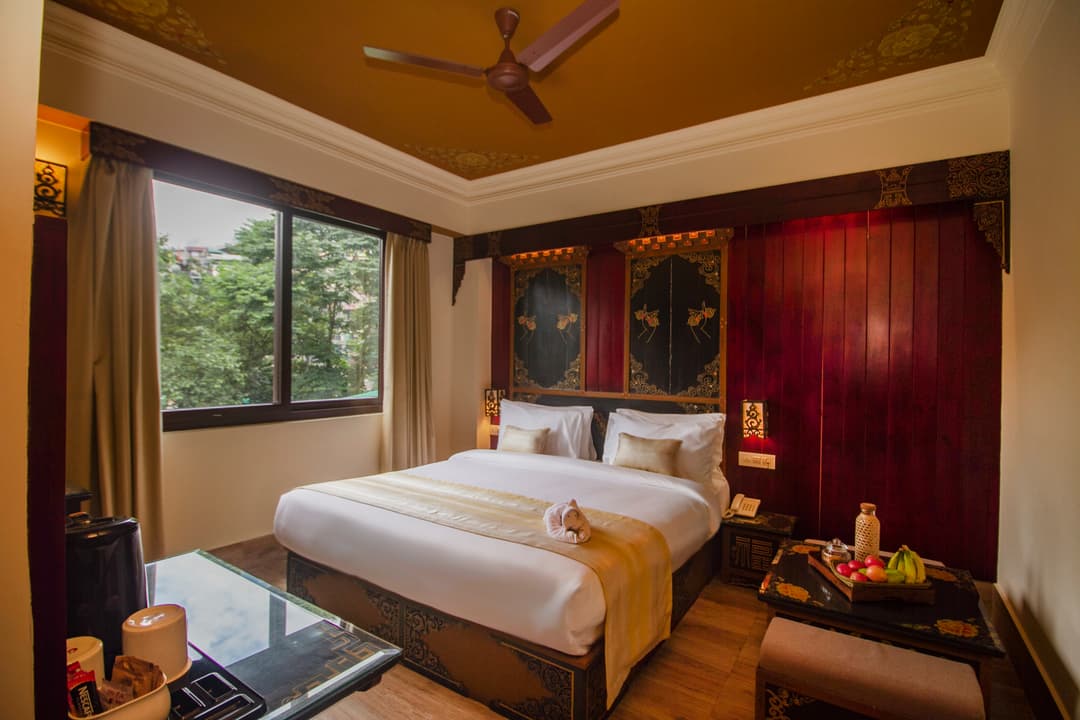
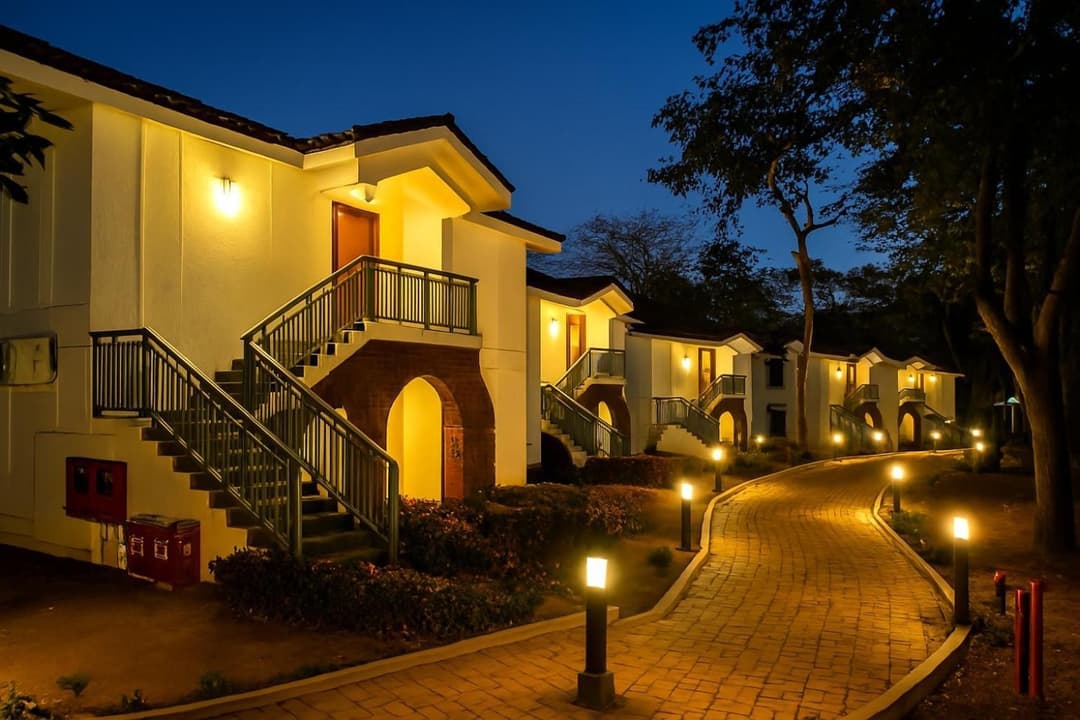
Multiple rooms, suites, and tents across five configurations. Each with a private balcony or terrace facing the valley and the Mussoorie hills. Premium rooms at 350 square feet, king bed, living area, valley-facing balcony, and whatnot. The all-vegetarian restaurant drawing from regional Indian cuisines, the kitchen that understands what the altitude and the day's activity produce by way of appetite.
The Prana Spa runs detoxification therapies, full-body massage, pain management, and skin treatments, the wellness infrastructure that the multi-day Mussoorie stay specifically benefits from rather than a spa bolted onto a hotel as an afterthought. Yoga and meditation sessions on-site. The morning session with the Himalayan range as backdrop, the specific experience that urban yoga studios spend considerable money trying to approximate.
The stay that makes the places to visit in Mussoorie in summer itinerary complete rather than just the base that holds the schedule.