Blog Detail
Best Time to Visit in Coorg Weather Guide

Best Time to Visit in Coorg Weather Guide
Coorg doesn't have a bad season. That's the honest answer. But it has seasons that suit different kinds of trips, and getting the timing wrong means arriving at a version of the destination that doesn't match the reason you came.
The best time to visit Coorg depends entirely on what the trip is for. Mist and dramatic green and near-empty roads? That's monsoon. Clear skies, coffee harvest, and easy access to everything? That's October through March. A balance of both without committing to either extreme? April or September, the shoulder months that most people overlook and that frequently produce the best experience.
Here's the breakdown, by season, by purpose, and by what each window actually delivers.
Best Time to Visit Coorg: Season by Season
October to March: The Peak Window
This is the crowd-consensus answer, and it's correct for most people. The monsoon has cleared. The coffee estates are green and the harvest runs through November and December. Temperature sits between 10 and 25 degrees, cool enough for genuine relief from the plains but warm enough that the trip doesn't require packing for cold nights.
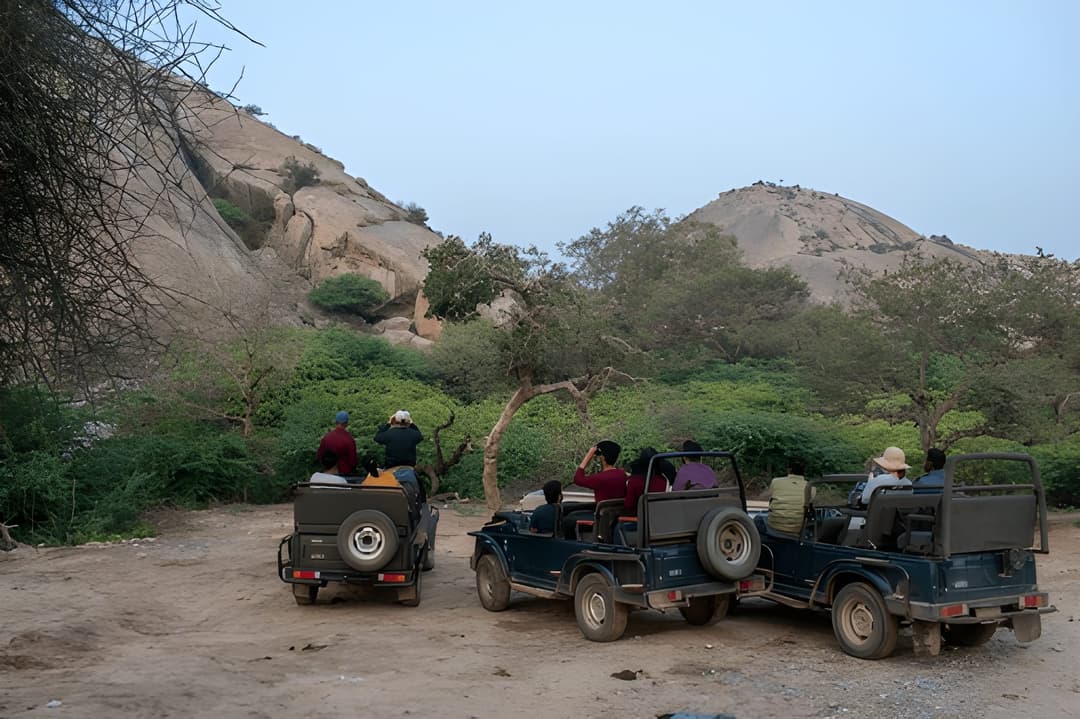
The waterfalls are running from the monsoon's residual. Abbey Falls in October is at its most photogenic. The wildlife at Nagarhole, under 60 kilometres from Coorg's centre, is active, the dry season drawing animals to the water sources that make sighting more reliable.
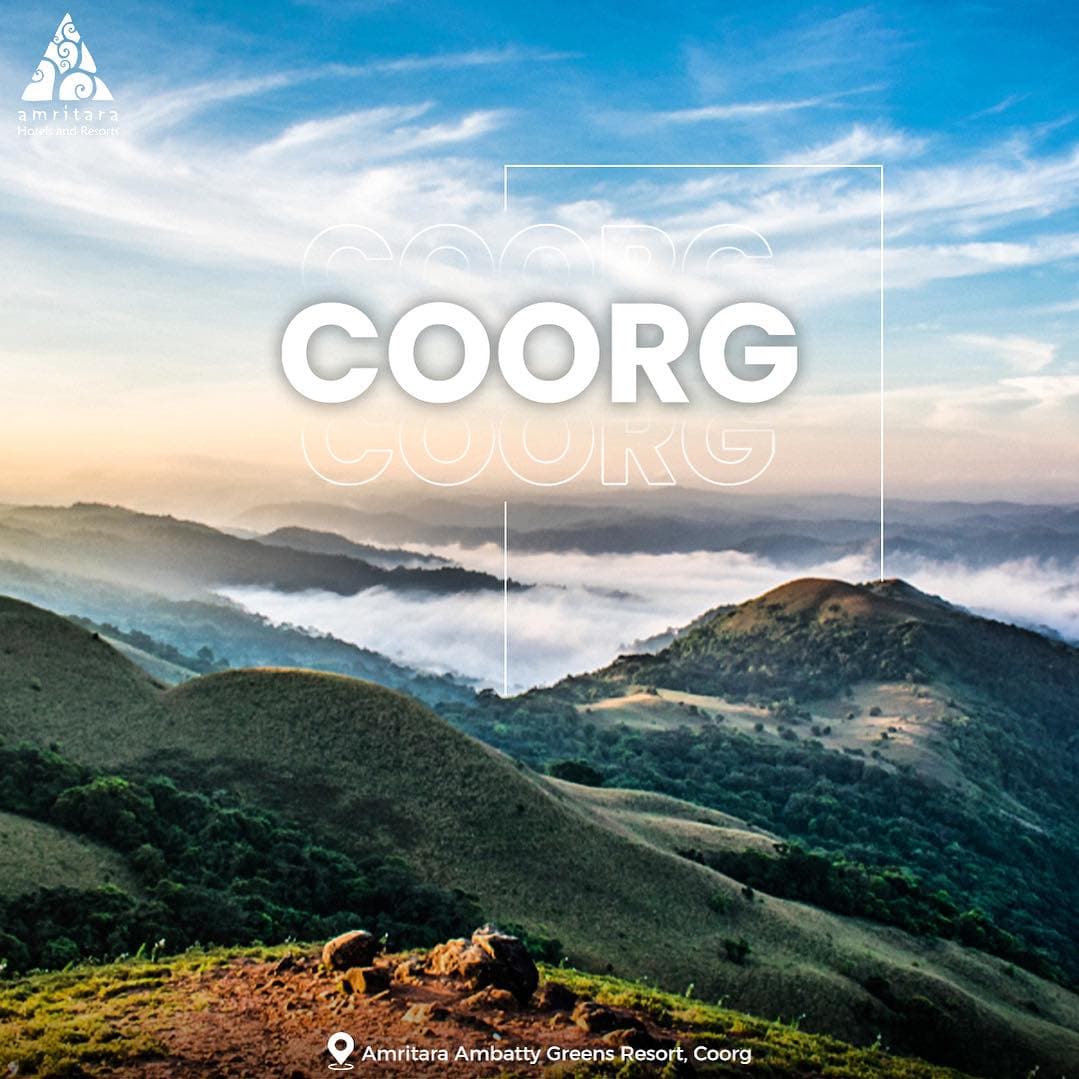
Visibility is at its best for the Coorg hills in this window. Pushpagiri and Tadiandamol, the region's higher peaks, are clear for the trekker whose trip is built around the summit rather than the estate walk.
Travel Note:
December and January are the busiest months. Book early or accept crowds. February and March are the smarter choice, same weather, noticeably fewer people, prices that haven't reached their peak.
April to June: Underrated and Underbooked
April is Coorg before the heat fully arrives and before the monsoon begins its approach. The coffee is flowering, the white Coffea arabica flowers that cover the estates in April have a specific fragrance that the rest of the year doesn't produce. The roads are quieter. The estates are in the transition between harvest and growth.
May gets warm but Coorg's elevation keeps it significantly cooler than Karnataka's plains. Not the peak experience, but not the difficult one either. For the traveller whose schedule doesn't allow the October-March window, April is the alternative worth making.
July to September: The Monsoon Case
The monsoon divides people sharply. Half the travel blogs warn against Coorg in July. The other half call it the best the region looks all year. Both are right.
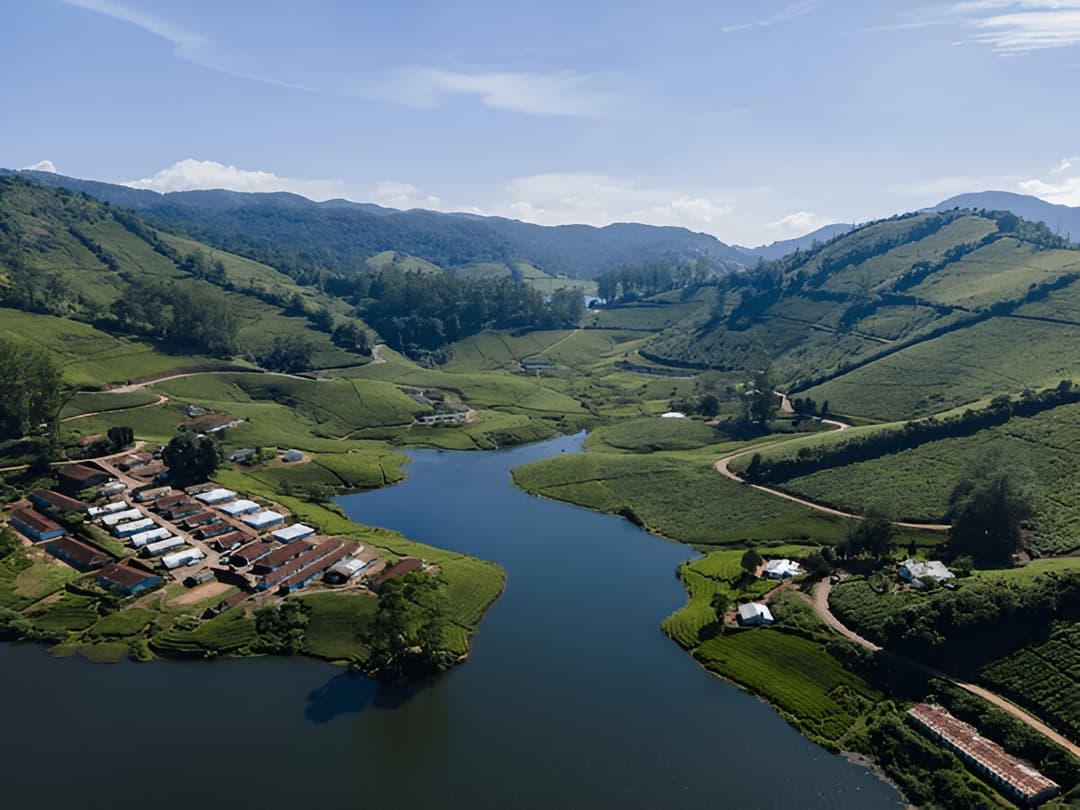
The waterfalls are extraordinary. Every trail runs with water. The estates are the deepest green they'll be all year. The mist sits low in the valleys in the morning and burns off by afternoon in a way that produces the light that photographers specifically travel for.
Travel Note:
Some roads become difficult, a few treks are inaccessible, and rain arriving mid-afternoon is reliable rather than occasional. Nagarhole is partially closed during heavy monsoon. The visitor who comes for the wildlife misses the monsoon window. The visitor who comes for the landscape finds it.
September is the transition, monsoon easing, greenery intact, crowds not yet arrived. Arguably the single best month for the experienced Coorg visitor.
Why Visit Coorg
The question answers itself quickly once the region is understood.
It isn't a hill station in the Mussoorie or Shimla sense, no Mall Road, no souvenir strip, no ropeway to a viewpoint. Coorg is an agricultural landscape that happens to be at altitude.
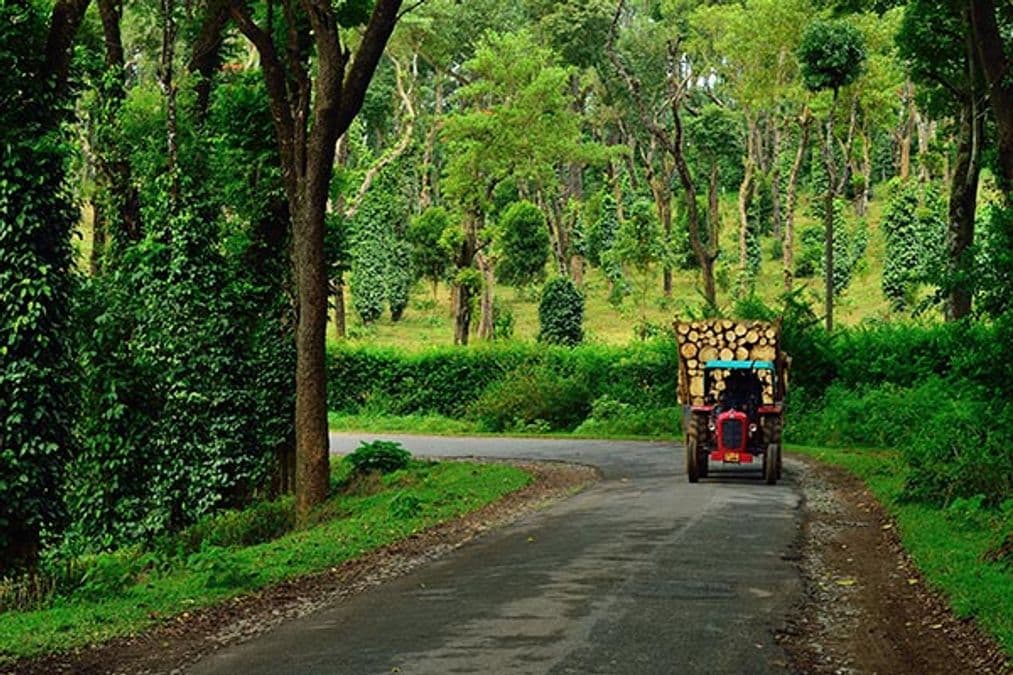
The coffee and cardamom and pepper estates that cover the hills aren't a backdrop to the tourism, they are the tourism. The specific smell of a coffee estate in the morning. The cardamom plantation walk. The river that runs through the valley below the estate bungalow.
Madikeri is the district town, the Raja's Seat viewpoint, the fort, the Omkareshwara temple. Dubare Elephant Camp on the Kaveri River. The Brahmagiri hills. The Kodava culture that has its own language, its own food traditions, its own relationship to the land that the hospitality industry here reflects rather than ignores.
Four to five hours from Bangalore. The closest genuine hill escape for the South Indian traveller whose options don't include a flight north.
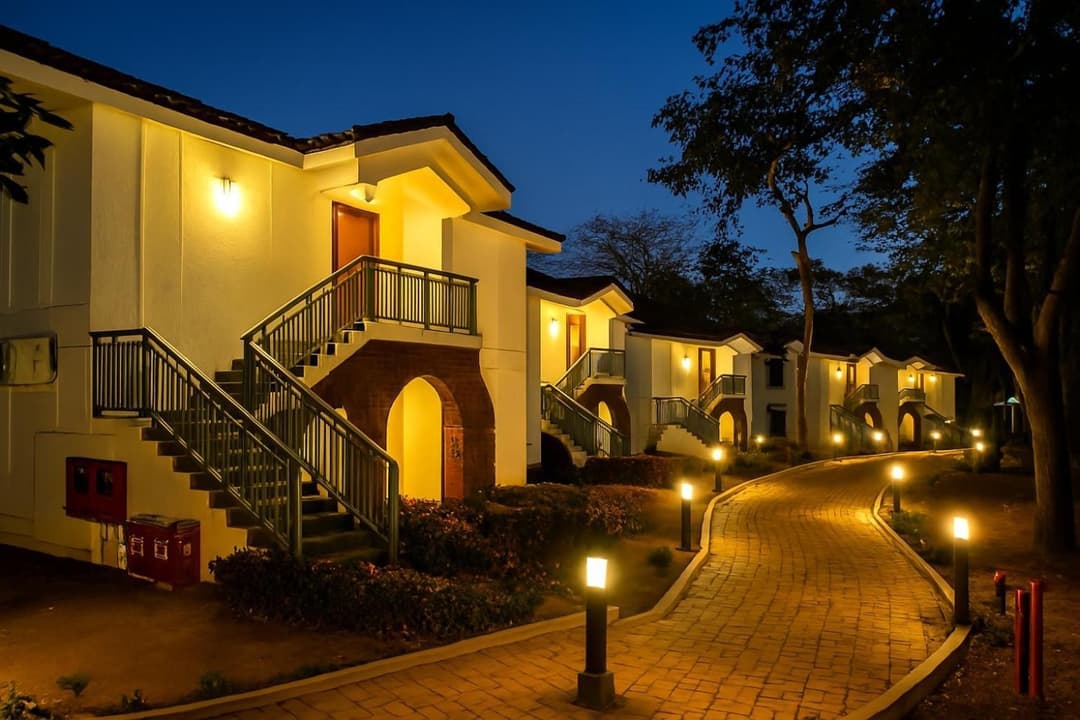
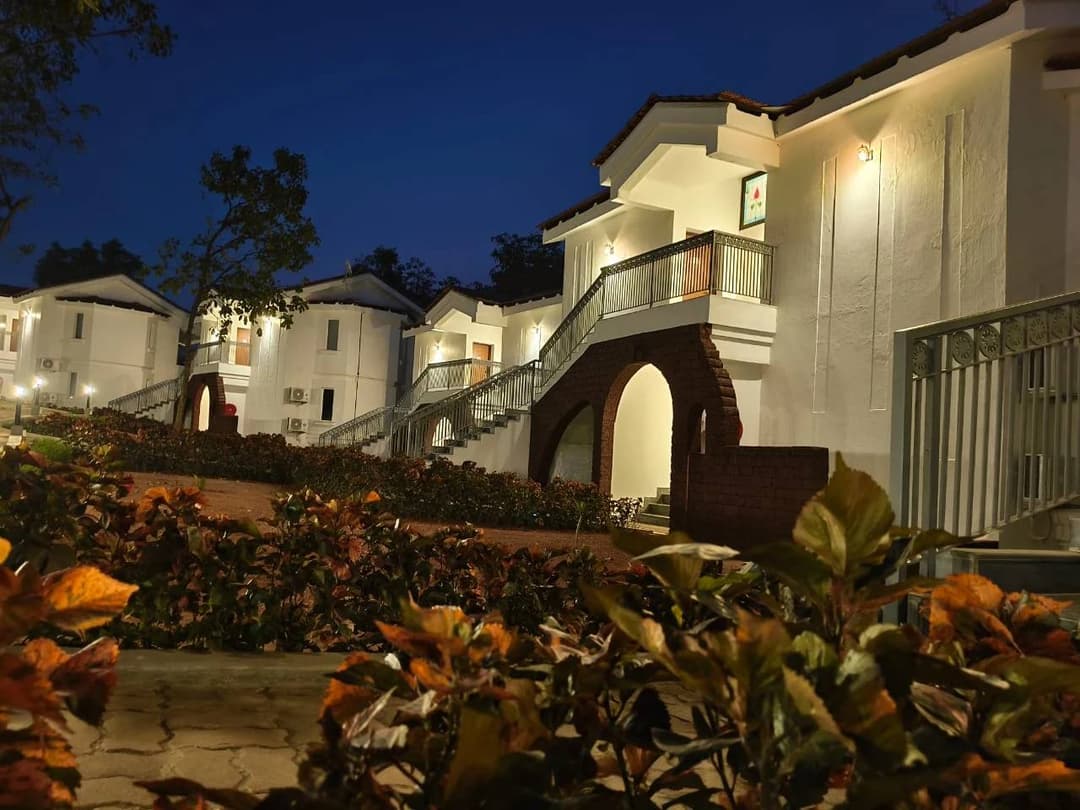
Amritara Ambatty Greens Resort, Coorg
Near the Coorg Golf Links, Bittangala, Virajpet.
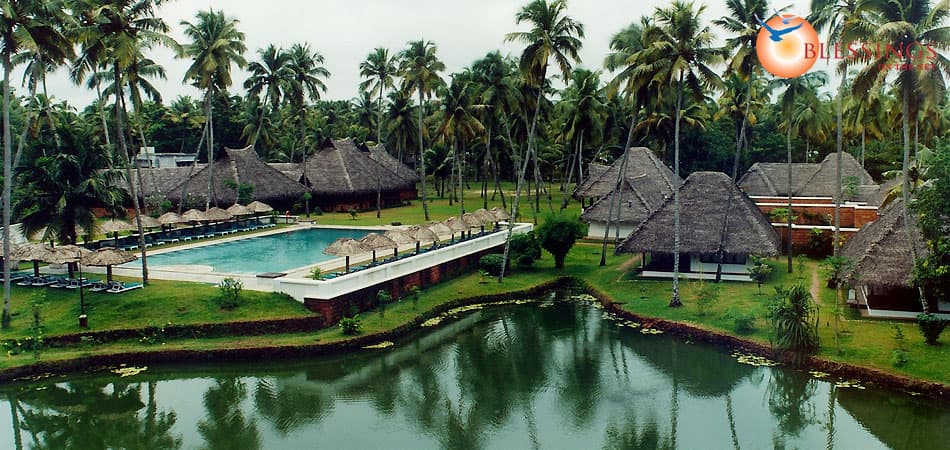
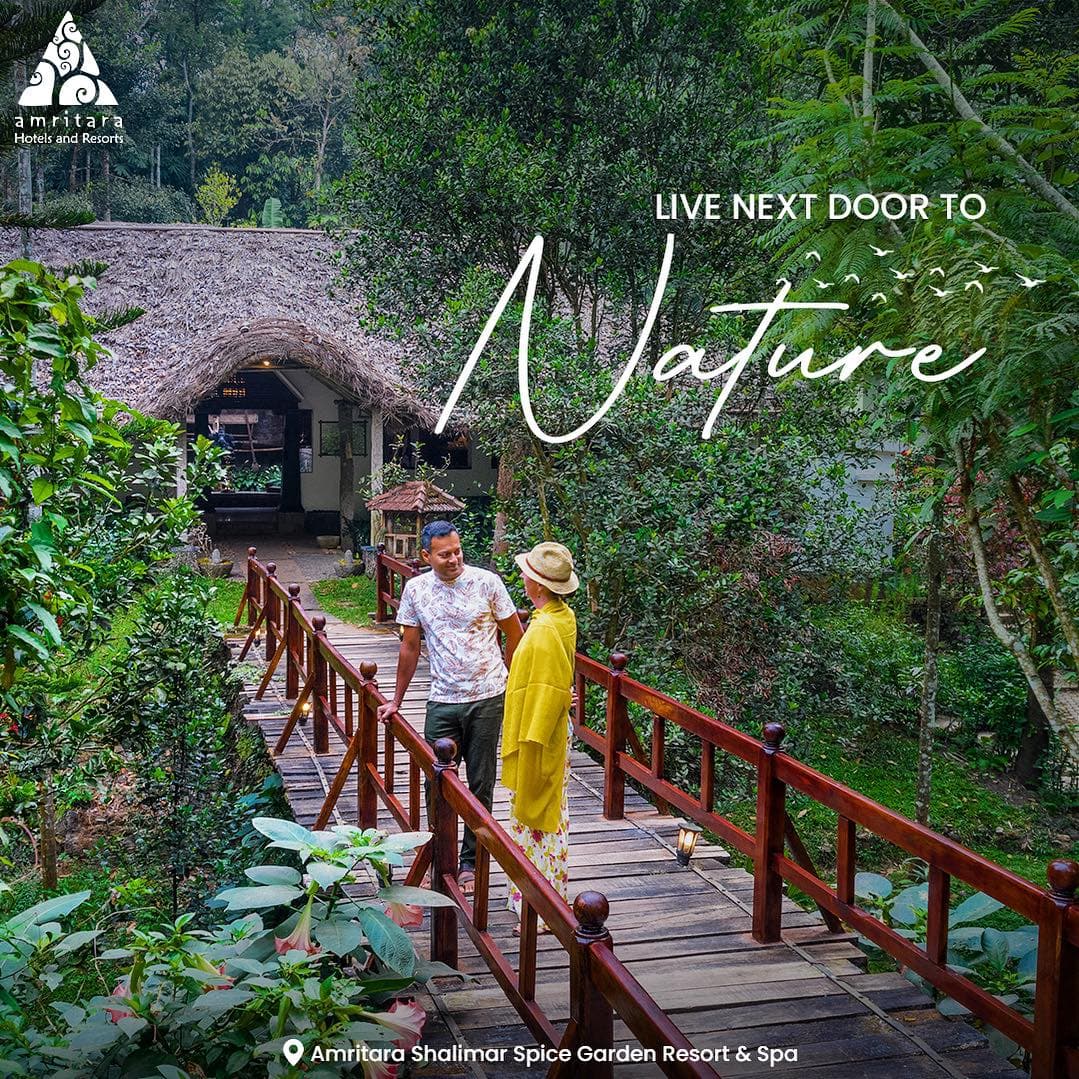
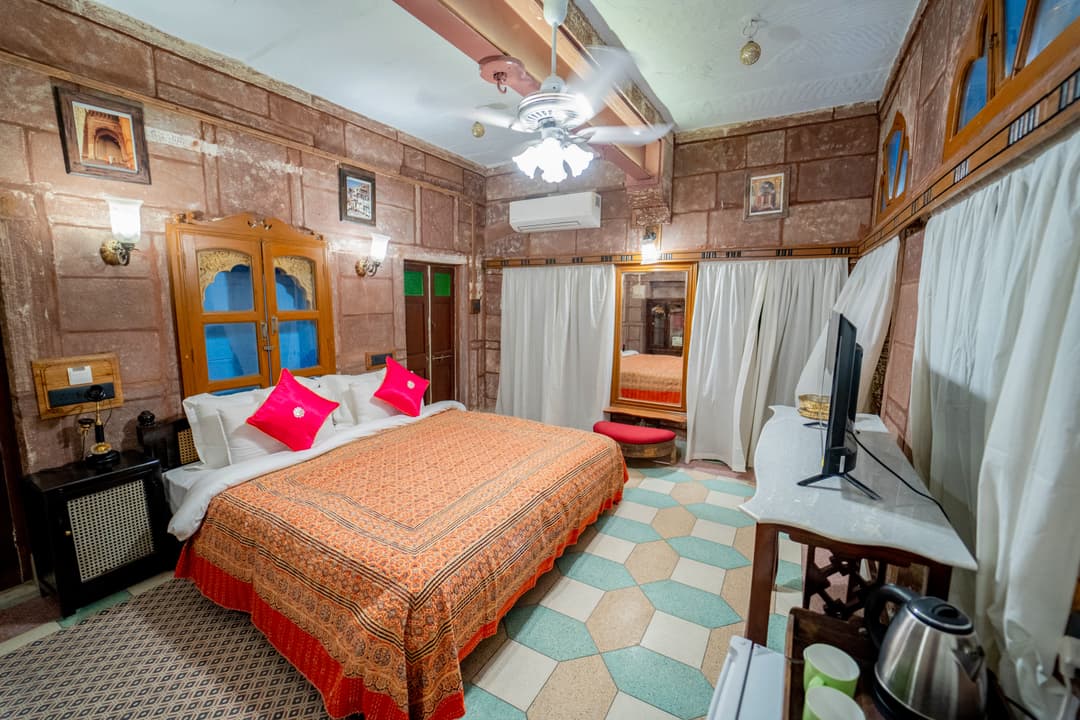
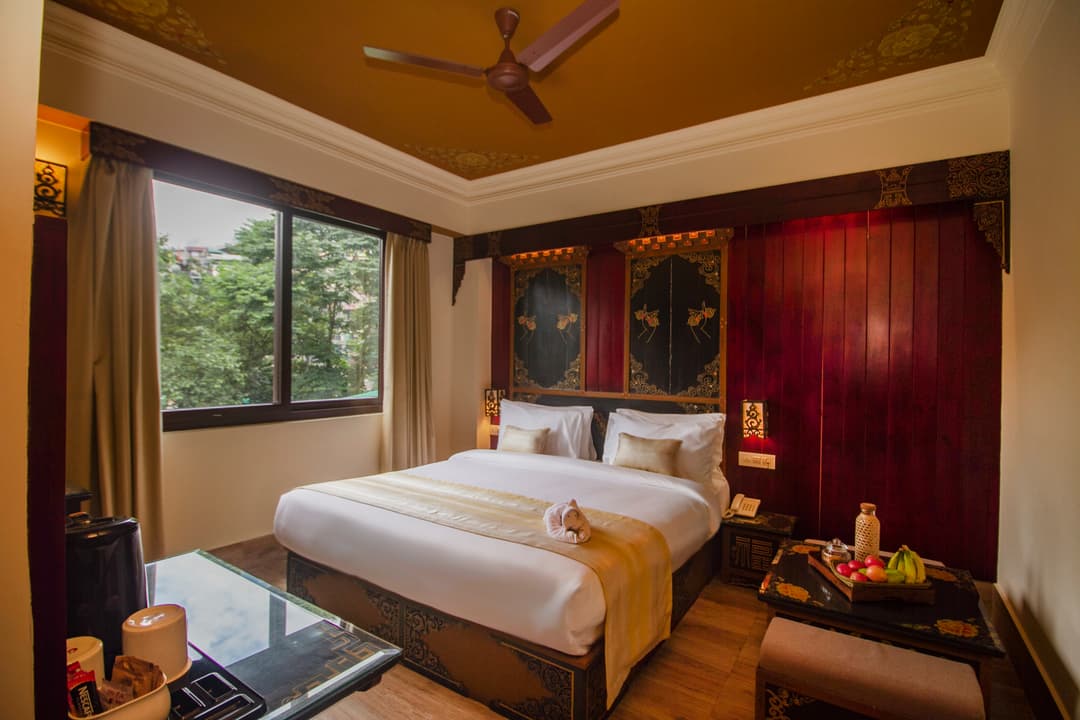
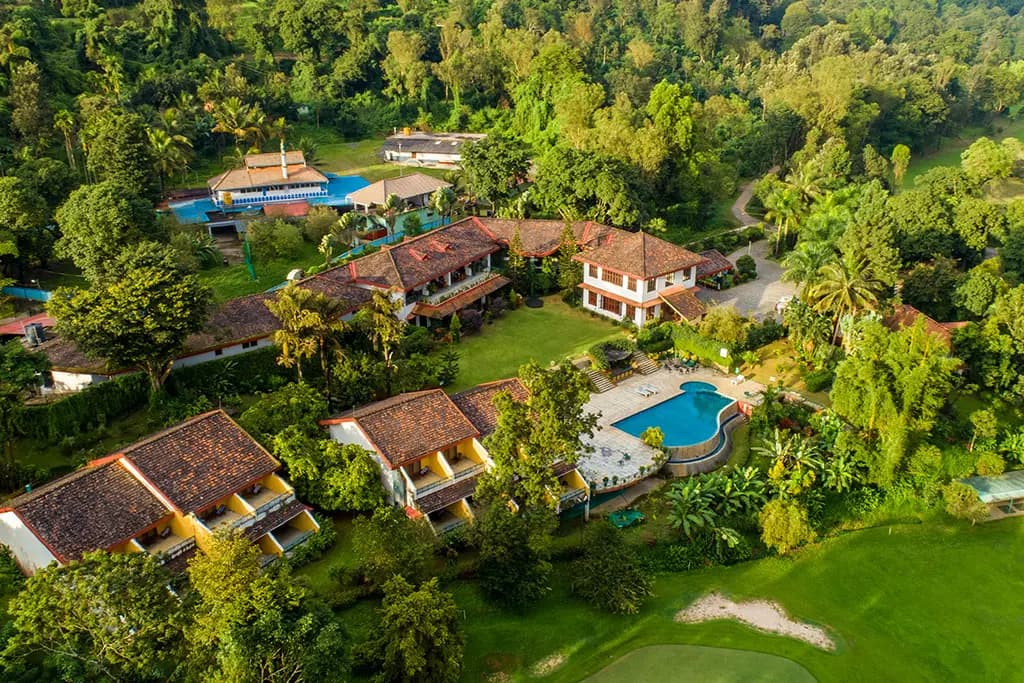
The property is set within the Western Ghats landscape, bordering the 18-hole Coorg Golf Links course, with the forest surrounding you rather than viewed at a distance. It features 18 Executive Rooms, each 450 square feet, with king beds and private balconies. Rooms located on the ground floor, offer truly accessible outdoor spaces, not just balconies overlooking a parking area.
Mysore is 110 kilometres. Nagarhole National Park is under 60. The Coorg Golf Links is essentially the front lawn.
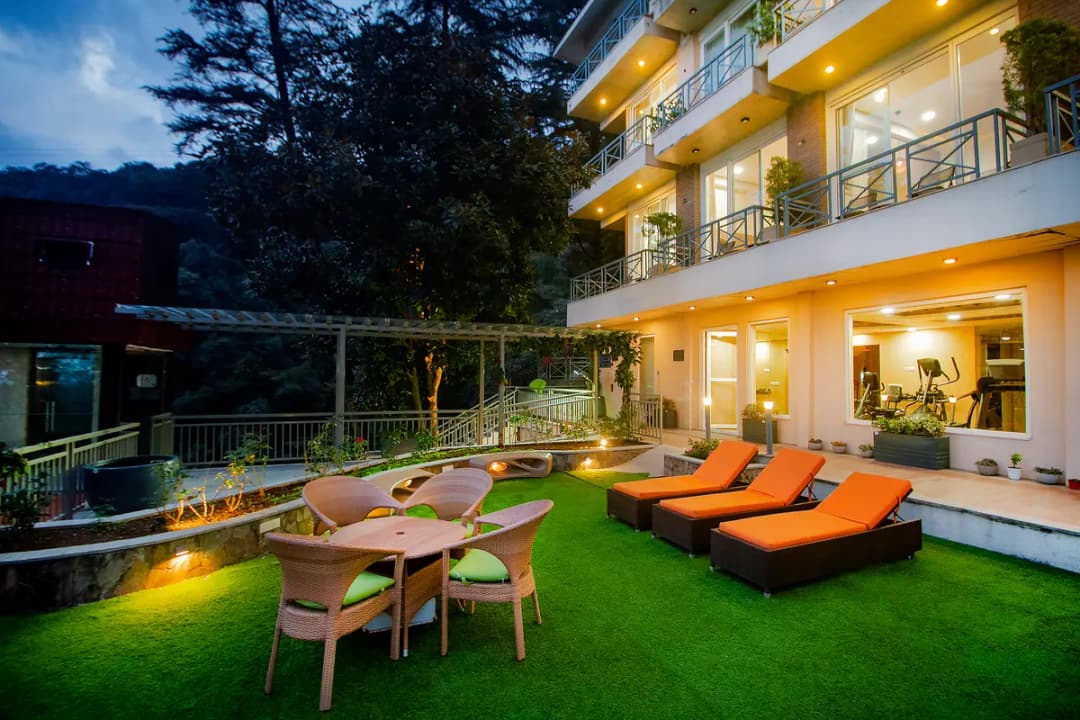
A swimming pool to unwind, a jogging track that follows the landscape, a conference room for when work travels with you, and a party lawn designed for open-air gatherings. The facilities that make the property functional for both the leisure weekend and the corporate retreat that wants the Coorg setting without sacrificing the operational infrastructure.
The Ambatty Greens is part of the Amritara Hotels & Resorts, a brand operating across 30-plus destinations with a specific presence in mountain and nature locations. The Coorg property reflects the approach, the destination's character built into the stay rather than a generic resort that could be relocated to any hill district without anyone noticing.
The best time to visit Coorg for a stay here, October through March for the clear weather and Nagarhole accessibility. April for the coffee flowering and the empty roads. September for the green and the quiet.