Blog Detail
Best Time to Visit in Sikkim Month Wise Travel Guide

Best Time to Visit in Sikkim Month Wise Travel Guide
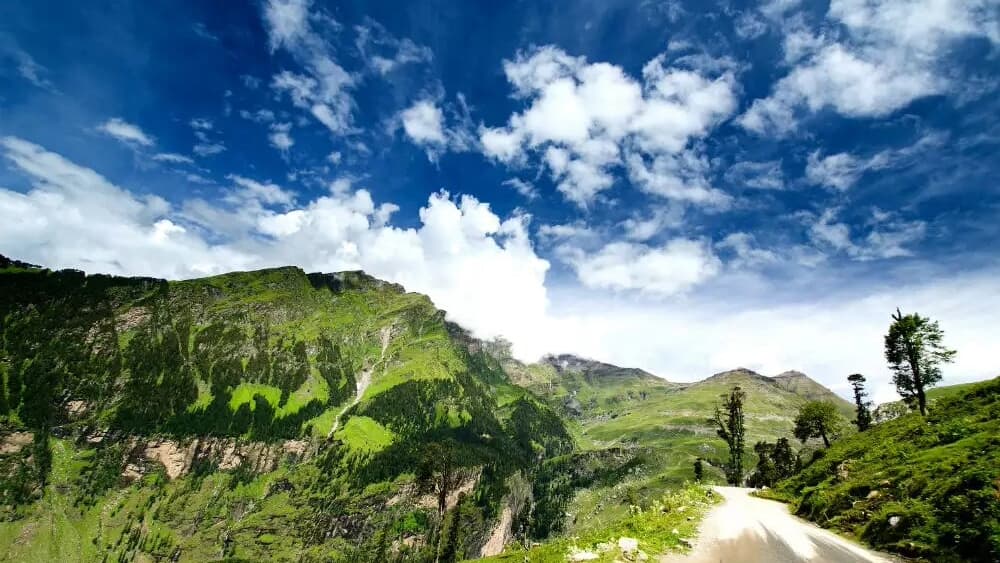
Sikkim doesn't have a bad season. That's the honest starting point. Every month offers something specific, the rhododendron bloom in spring, the clear Kanchenjunga views of autumn, the dramatic monsoon greens of July, the snow-quiet of winter. The question isn't whether to go. It's when to go for what.
The best time to visit Sikkim depends entirely on the trip's purpose. Trekkers need different months from culture travellers. Wildlife visitors need different conditions from photographers chasing the Kanchenjunga sunrise. The Sikkim month wise travel guide below breaks this down honestly, no generic "October to March" answer that ignores six months of genuine travel opportunity.
January and February: The Snow Quiet
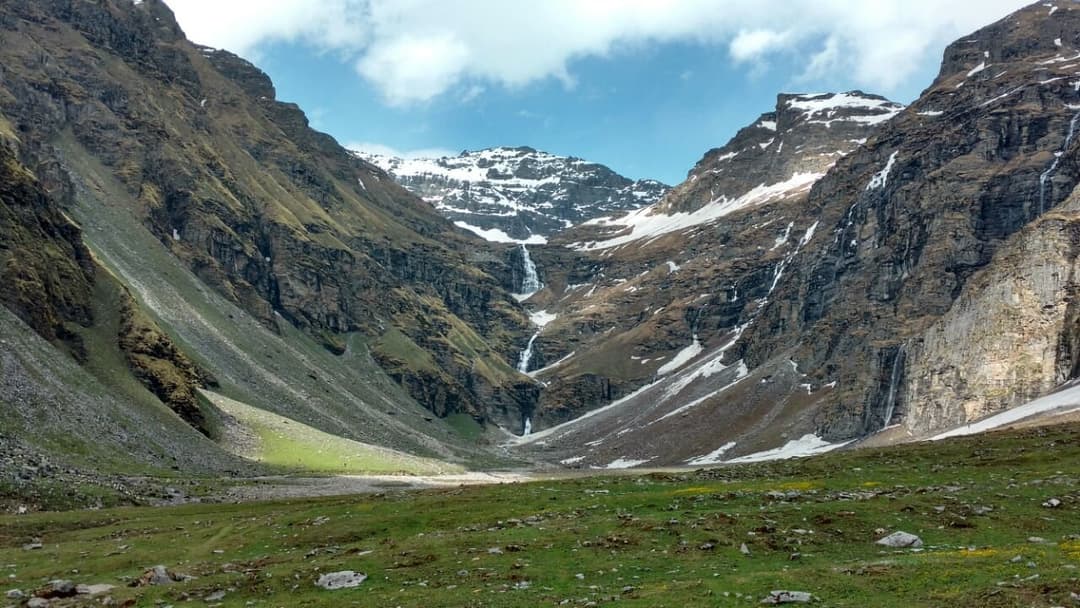
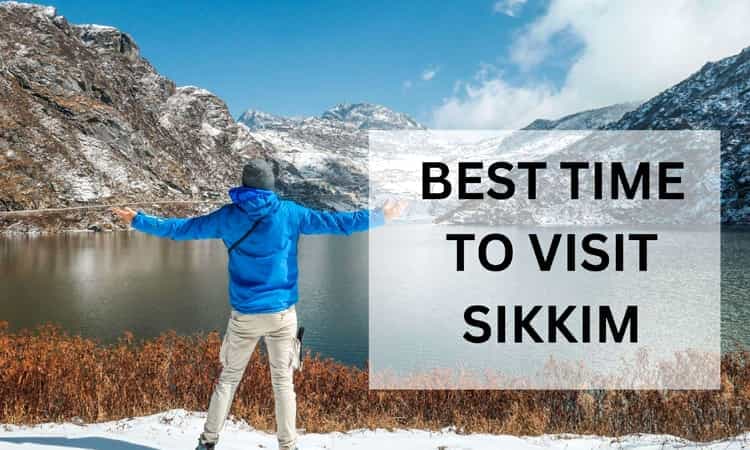
Winter Sikkim is cold, clear, and largely uncrowded. Gangtok in January sits between 4 and 14 degrees. The higher elevations, Tsomgo Lake, Nathula Pass, Yumthang Valley, carry snow that makes them visually dramatic but occasionally inaccessible due to road conditions.
The benefit:
- The clearest skies of the year. Kanchenjunga on a winter morning from the right viewpoint is the Sikkim photograph that most people try for in October and find more reliably in January.
- The crowd-free monasteries, the Gangtok market without the tourist season density, this is local Sikkim rather than tourist Sikkim.
The trade-off:
- The cold is genuine. High-altitude excursions require proper preparation. Some trekking routes are closed.
March and April: The Rhododendron Season
The best time to visit Sikkim argument that the rhododendron enthusiast makes convincingly. Sikkim has over 36 species of rhododendron, more than any comparable area in India. They bloom from late February through April, the colour moving up the elevation as the season progresses. The lower slopes in March, the high-altitude blooms by April.
The benefit:
- The Yumthang Valley in April is the specific destination, the "Valley of Flowers of Sikkim," the basin filled with primulas, rhododendrons, and poppies that draws visitors from across India and internationally.
- This is also when the Kanchenjunga views are good before the pre-monsoon haze builds through May.
- Temperature in this window sits at a comfortable 10 to 20 degrees in Gangtok. Pleasant trekking conditions. The crowds build through April but haven't reached the summer peak.
May and June: Pre-Monsoon Peak
This is the Sikkim month wise travel guide's busiest section. Summer school holidays, the full domestic tourism surge, the rooms booked weeks ahead. The landscape is green, the temperatures are warm at lower elevations, and the high passes are fully accessible before the monsoon closes roads.
The trade-off:
- Crowds everywhere the tourist circuit runs.
- Book accommodation early.
- The second half of June brings the first monsoon rains, the signal that changes the trip's character.
July and August: The Monsoon Argument
The monsoon in Sikkim is not the travel deterrent the internet suggests.
The trade-off:
- Landslides are real and road closures happen. That's the downside, stated upfront.
The benefit:
- The landscape turns the most extraordinary shade of green that the Himalaya produces, the waterfalls multiply across every hillside, the rivers run full, and the tourist crowd drops to a fraction of the peak season.
- The Khecheopalri Lake and the monastery circuit in monsoon have a specific atmosphere, the mist, the prayer flags in the rain, the cloud that makes everything feel closer to the sky. Worth experiencing once. Not the trek season. The culture and landscape season.
September: The Transition
The monsoon eases. The green stays. The crowds haven't arrived. September is the underrated month that experienced Sikkim travellers specifically target, the landscape at its most lush, the roads clearing, the prices at mid-range rather than peak, the monasteries quiet.
The time to visit Sikkim argument for September, everything the post-monsoon season offers before the October crowd arrives to discover it.
October and November: The Peak
The consensus answer for the best time to visit Sikkim. And it's earned. The post-monsoon clarity produces the Kanchenjunga views that the hill station's entire reputation is built around. Temperatures are comfortable. Roads are open. The rhododendron forests are turning. The festival calendar, Diwali, Losar preparations beginning, adds cultural richness.
The crowd density is at its highest. Book rooms six to eight weeks ahead for the better properties. The traveller who waited until October to plan the trip discovers that the good addresses are gone.
December slots between the post-peak quiet and the winter cold, the window for the traveller who wants the autumn clarity without the October crowd. Comfortable in the lower elevations, cold at altitude.
The Sikkim Month Wise Travel Guide: Quick Summary
The Sikkim month wise travel guide in one paragraph: January-February for the snow and clear skies. March-April for the rhododendron bloom. May-June for accessibility and fullness. July-August for the serious green and the empty roads. September for the underrated transition. October-November for the famous views. December for the quiet end of season.
The time to visit Sikkim is every month. The right month depends on what the trip is actually for.
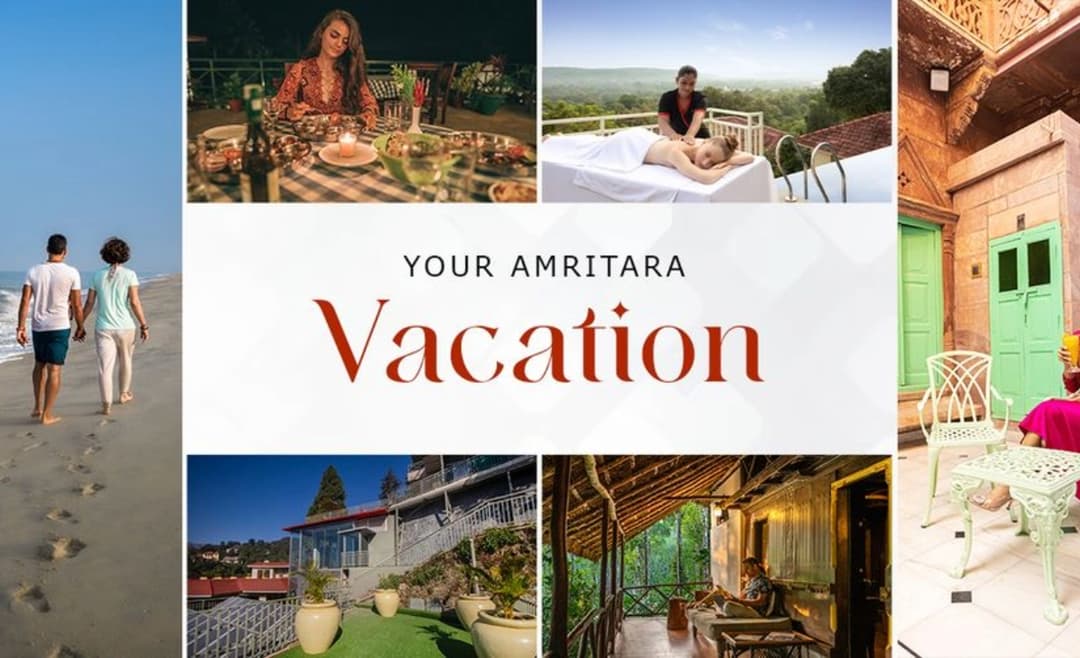
Amritara Luxury Villa Tosca, Gangtok
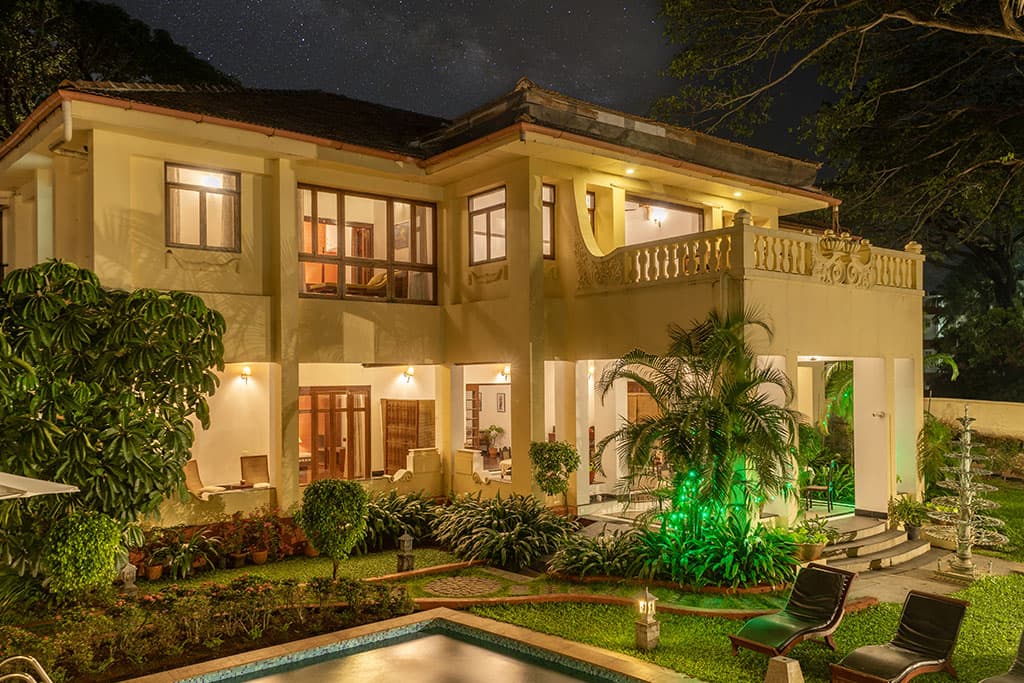
For the traveller whose Gangtok stay needs to be an event in itself rather than just a bed near the monasteries. Amritara Luxury Villa Tosca is the private villa option, the format that shared resort infrastructure can't replicate. The Kanchenjunga views from the villa's specific position on Gangtok's hillside are the asset that the property is built around. Spacious, private, the luxury villa experience applied to Sikkim's most dramatic mountain city.
For the couple whose Sikkim trip is a celebration, the group whose accommodation should match the destination's ambition, or the traveller who simply wants Gangtok without a shared corridor, Villa Tosca is the correct address. Visit amritara.co.in.
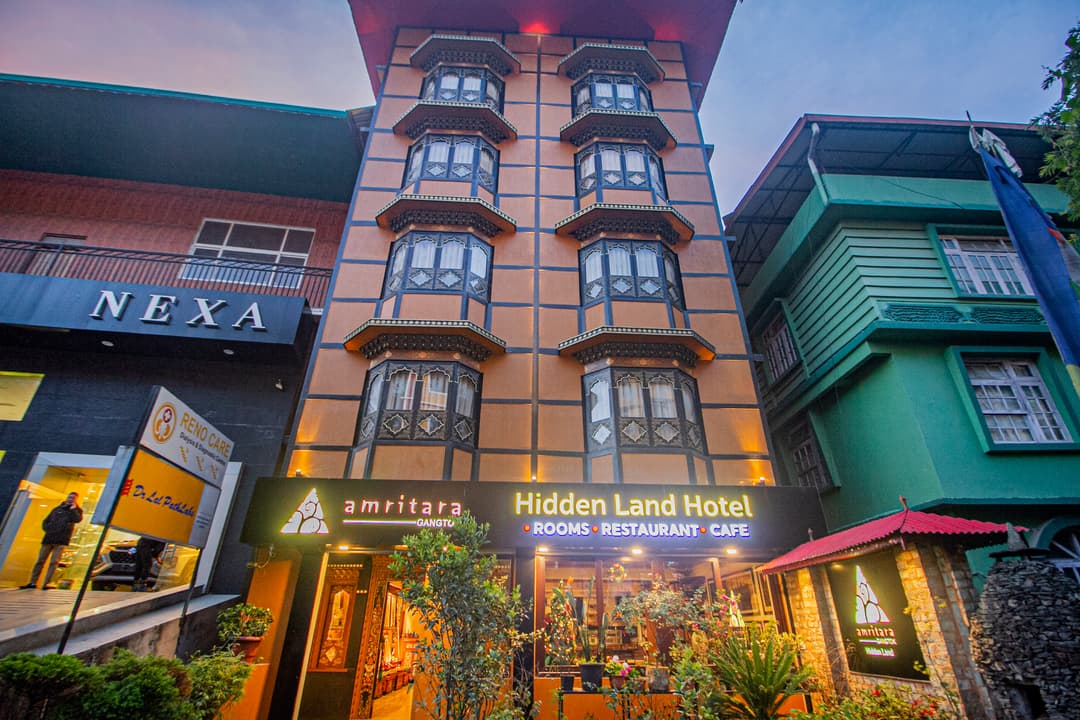
Amritara Hidden Land, Gangtok
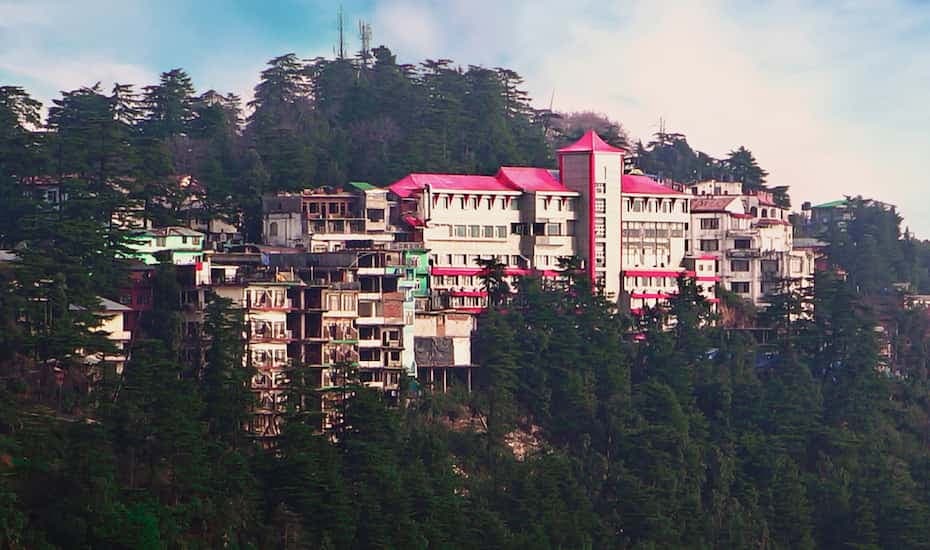
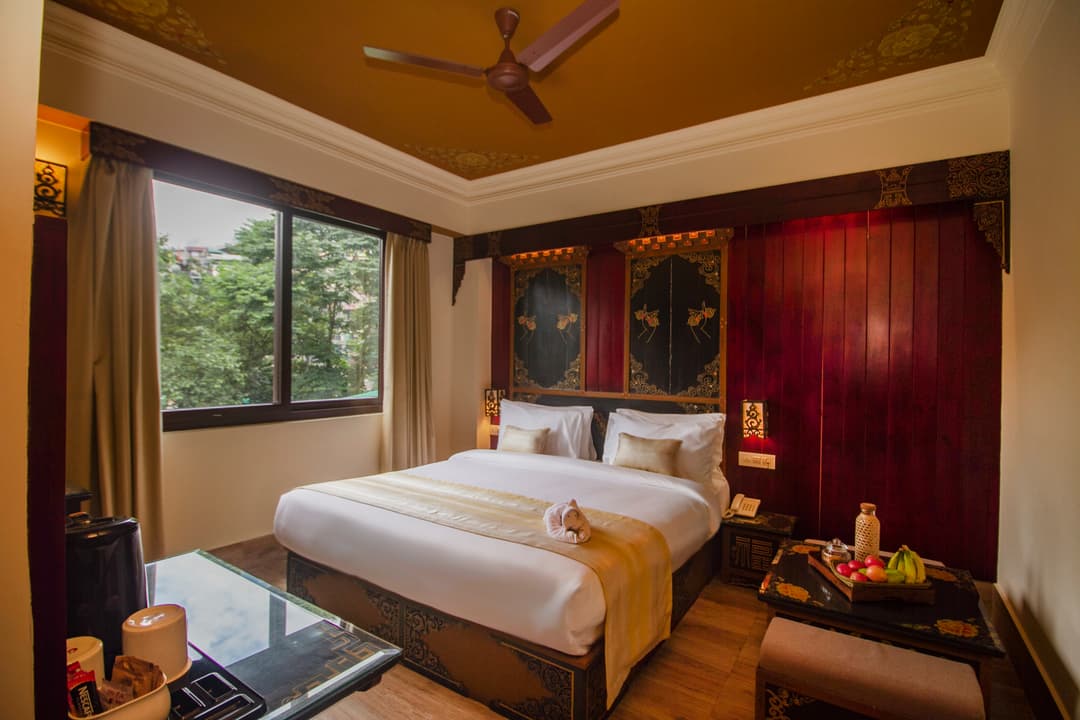
Sichey, Indira Bypass Road, 900 metres from MG Marg. Multiple rooms across six floors, all with valley views, select rooms with private balconies. The Tara Room with balcony is what guests mention first, consistently, and the review record across platforms confirms this is not marketing language. Hand-carved Tibetan and Sikkimese design throughout the interiors, the specific aesthetic that reflects Gangtok's cultural identity rather than a generic boutique hotel template. Restaurant and bar on-site.
Buffet breakfast daily. The location sits slightly removed from MG Marg's peak activity, quiet setting, taxis to the city in minutes. Namgyal Institute of Tibetology 4.5 kilometres. Enchey Monastery nearby. Part of the Amritara Hotels & Resorts portfolio, the brand operating wellness-forward properties across India's mountain and nature destinations. Visit amritara.co.in.