Blog Detail
Bamboo Rafting Experience in India: Eco-Friendly Water Trails & Views

Bamboo Rafting Experience in India: Eco-Friendly Water Trails & Views
River tourism in India defaults to adrenaline. The Rishikesh white water. The Zanskar gorge. The grade IV rapids that the adventure tourism industry has built its Himalayan reputation around. These are legitimate. They're also the entire conversation, which means a different kind of river experience gets almost no attention despite being available, beautiful, and specifically memorable in ways that the rapid-descent formats aren't.
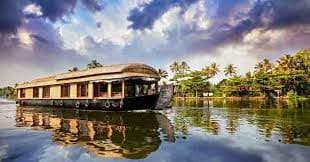
Bamboo rafting is that experience. The slow version. The river at its own pace rather than the pace the rapids impose. The Kerala backwaters and the Periyar River system, the Tirthan Valley in Himachal Pradesh, the jungle waterways of the Northeast, these are the Indian river corridors where the bamboo raft produces the specific immersion that no motorised boat and no inflatable kayak replicates.
What Bamboo Rafting Actually Is
Not the commercial raft. Not the kayak. Not the inflatable tube that the adventure park rents by the hour.
The bamboo raft is exactly what it was before tourism existed as a category, a flat platform of lashed bamboo poles that the river communities of India used for transport, for fishing, for the daily movement across water that the geography required. The raft sits at water level rather than above it. The movement is with the current rather than against it. The sounds are the river sounds, the forest sounds, the birds that the engine noise of a motorised boat would scatter before they're seen.
Bamboo rafting in Kerala's river system, the Periyar specifically, within the Periyar Tiger Reserve, produces the wildlife access that the jeep safari in the same reserve doesn't. The elephant herds coming to the water in the morning. The great hornbill in the canopy above. The specific silence that water-level travel produces in a forest reserve where the animals haven't categorised a silent raft as a threat.
Where the Best Bamboo Rafting Happens in India
Periyar, Kerala: The most established bamboo rafting destination in India. The Tiger Reserve's boat safari has been running for decades. The bamboo raft variant operates on the same water with the specific difference that the low profile and the silence change the encounter quality. The early morning departure, the mist on the Periyar Lake, the elephant movement at the water's edge, the forest waking up, is the Periyar experience that the afternoon visit doesn't produce.
Tirthan Valley, Himachal Pradesh: The Great Himalayan National Park buffer zone, the Tirthan River running cold and clear through the mixed forest. The bamboo rafting here is the slow descent through a valley that road travel views from above and raft travel moves through from inside. The trout visible in the clear water. The dippers working the rocks at the river edge. The specific quality of a Himalayan river at its most accessible pace.
Majuli Island, Assam: The world's largest river island in the Brahmaputra, the seasonal bamboo crossing infrastructure that the island communities still use and that the visitor can join. Not formalised tourism. The actual river crossing method that functions because bamboo is available and the river is wide and the boats aren't always running.
Meghalaya's river caves: The Shnongpdeng village near Dawki on the Umngot River, the water so clear the raft appears to float on air in photographs and in person. The bamboo raft here is the specific format that the transparent water warrants, low, slow, the river floor visible through the water as the raft moves across it.
What the Experience Delivers
Bamboo rafting produces a specific relationship with water that the speed-based formats don't.
The adrenaline raft is finished when the rapids end. The memory is the drop, the splash, the specific thirty seconds when the water controlled rather than the paddler. The bamboo rafting memory is longer and quieter, the hornbill that landed twelve metres away because the raft didn't announce itself, the elephant that walked to the water's edge without registering the raft's presence, the forest corridor that an hour of slow water revealed in a sequence that the road tour compresses into a drive-past.
India's rivers were navigated by bamboo before they were navigated by engine. The animals that live alongside them haven't forgotten this. The raft that moves quietly at water level in the early morning accesses the river's actual character, the one that existed before the adventure tourism infrastructure arrived and that still exists when the engine is off and the pace is right.
The Version Worth Finding
Bamboo rafting in India is not hard to find. It's hard to find in the right place at the right time with the right guide, the Periyar early morning slot, the Tirthan Valley operator who knows the section where the trout are visible, the Dawki village contact who runs the transparent water crossing before the tourist boats arrive.
The river is there. The bamboo is there. The wildlife and the quiet and the specific morning light that slow water produces at dawn, all of it is waiting for the version of river travel that doesn't require rapids to justify the trip.
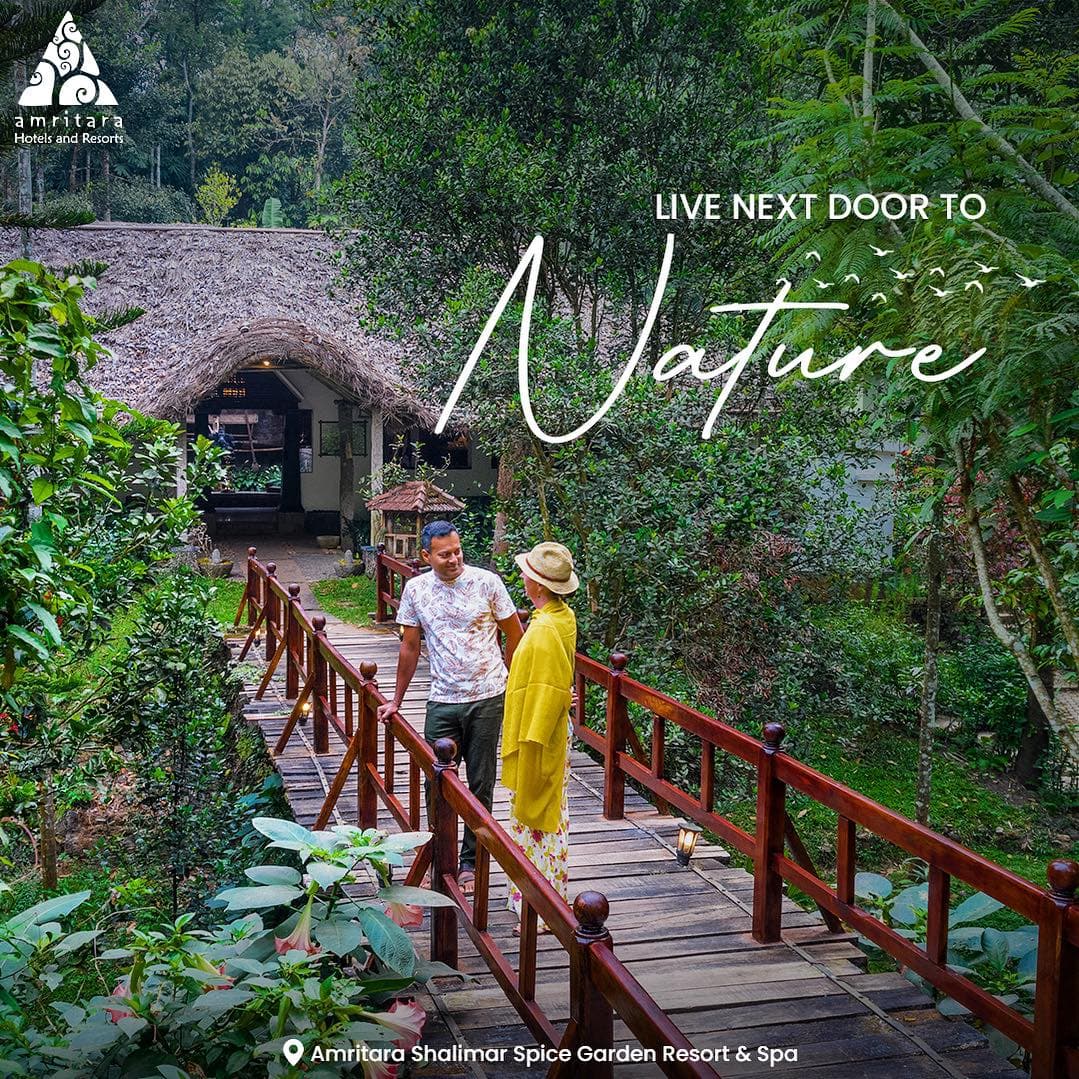
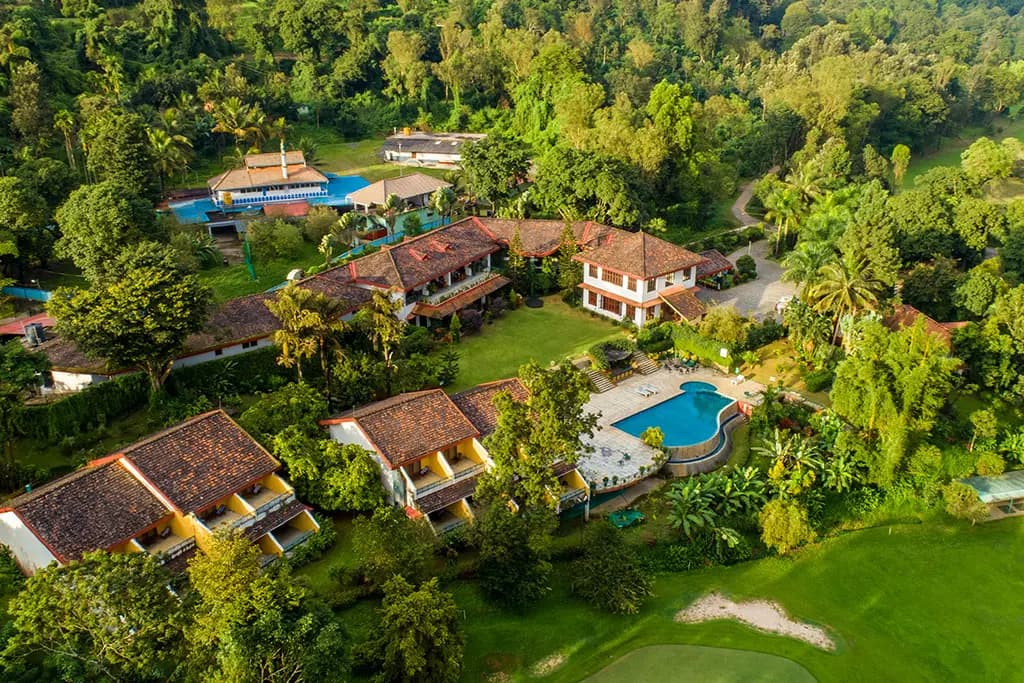
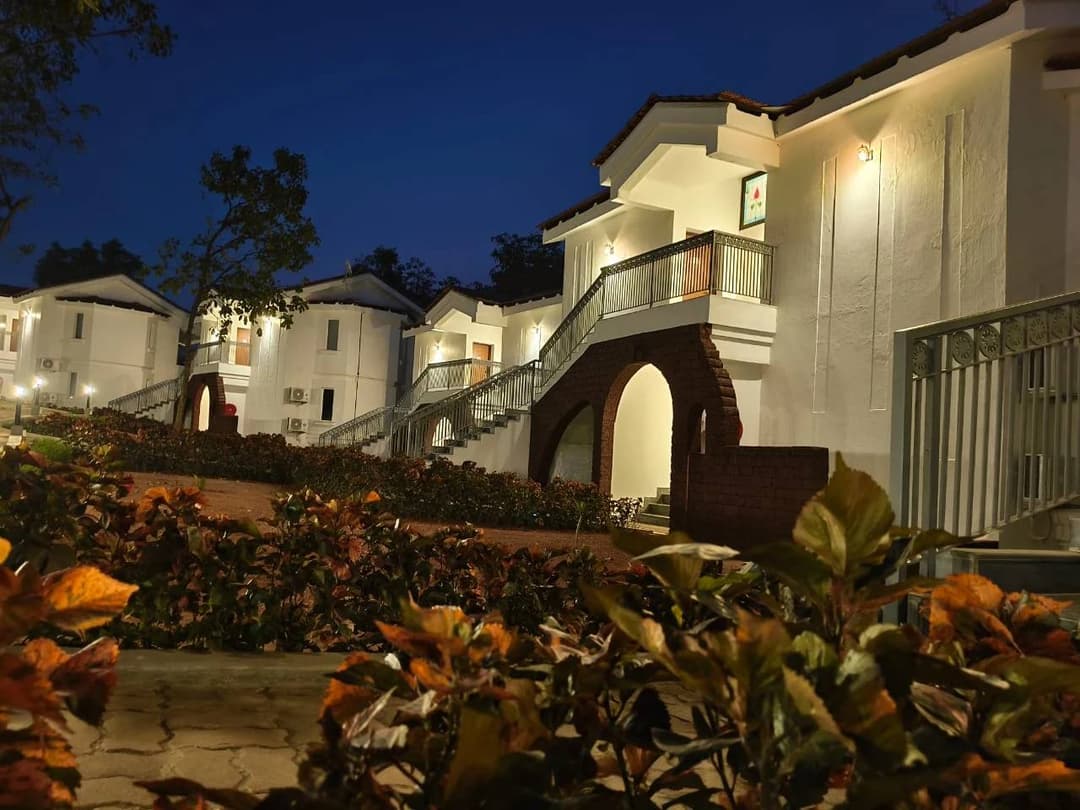
Where to stay: Amritara Shalimar Spice Garden Resort & Spa, Thekkady
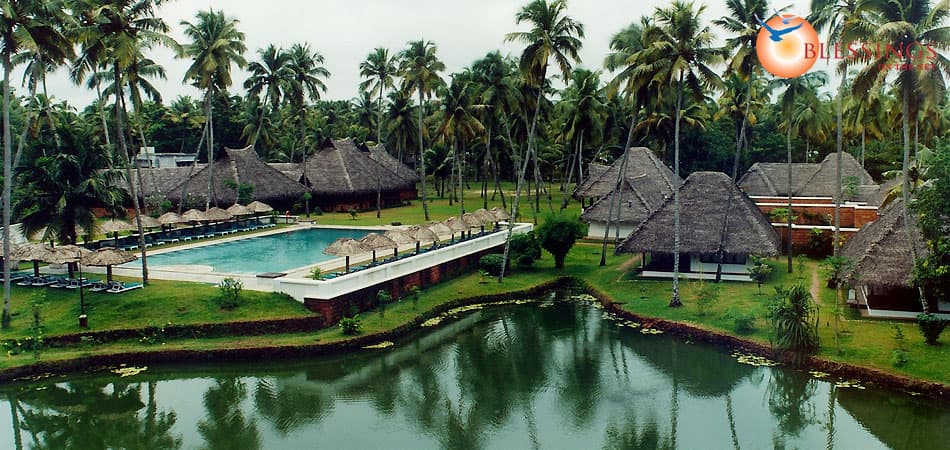
Set amidst the spice plantations and evergreen hills of Thekkady, Amritara Shalimar Spice Garden Resort & Spa offers a quieter side of Kerala’s highlands. The property is located close to the famed Periyar Wildlife Sanctuary, with opportunities for nature walks, bamboo rafting, wildlife spotting, and plantation tours just a short drive away. Cochin International Airport is approximately 140 kilometers from the resort.
The experience here is centered on nature, wellness, and unhurried living. Traditional Kerala-inspired cottages blend into the surrounding landscape, while the spa and serene ambience encourage guests to slow down and reconnect with the outdoors. Unlike busier hill destinations, Thekkady rewards travelers seeking forests, spice-scented air, and authentic local experiences.
Thekkady is best enjoyed at a relaxed pace. Those looking for shopping districts and crowded tourist attractions may find it understated, but travelers who come for wildlife, greenery, and tranquility often consider it one of Kerala’s most rewarding destinations.
Book Amritara Shalimar Spice Garden Resort & Spa, Thekkady
Spice plantation retreat near Periyar Wildlife Sanctuary — book at amritara.co.in