Blog Detail
Mountain Trek in India: From Himalayas to Western Ghats

Mountain Trek in India: From Himalayas to Western Ghats
Mountain Trek in India, The Country Has Every Version of the Experience. Most People Find Only One.
The India trekking conversation defaults to the Himalayas. Specifically to the five or six routes that the trekking industry has packaged, permitted, and populated with tea houses at regular intervals. The Roopkund. The Kedarkantha. The Valley of Flowers. These are good routes. They're also the ones where the trail photograph has fifty other trekkers in it and the campsite at 4,000 metres has a waiting list in October.
India has significantly more to offer than the packaged circuit. The mountain trek in India spans five distinct mountain systems, the Himalayas, the Western Ghats, the Eastern Ghats, the Aravallis, and the Vindhyas, across a geography large enough that the routes available would take several lifetimes to exhaust. Most trekkers find one system and repeat it.
The Himalayan Range: Beyond the Famous Routes
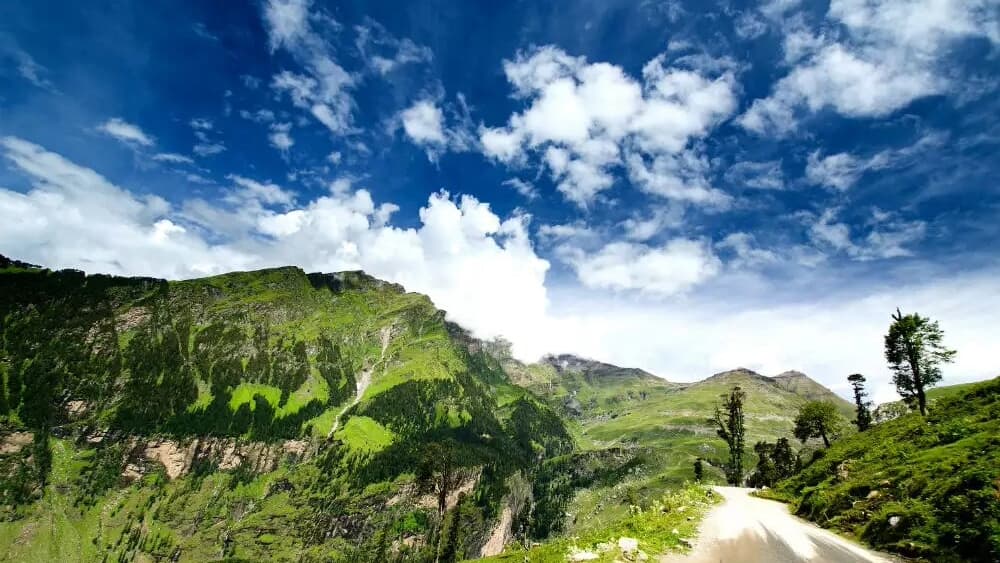
The Himalayan mountain trek has a famous problem. Kedarkantha in winter, Triund above McLeod Ganj in summer, Hampta Pass when the more serious option is required, these routes are correctly popular and increasingly crowded in proportion to that popularity.
The less-discussed Himalayan routes produce the same mountain quality with one specific additional asset, fewer people on the trail simultaneously.
The Sandakphu trek in West Bengal, the highest peak in the state, the trail along the Nepal border, the specific dawn view of four of the world's five highest mountains simultaneously, Everest, Kangchenjunga, Lhotse, Makalu. This combination exists nowhere else on a trekking trail accessible to a fit non-technical walker. Rhododendron forest in spring, the blooms covering the trail in a way the routes further west don't produce.
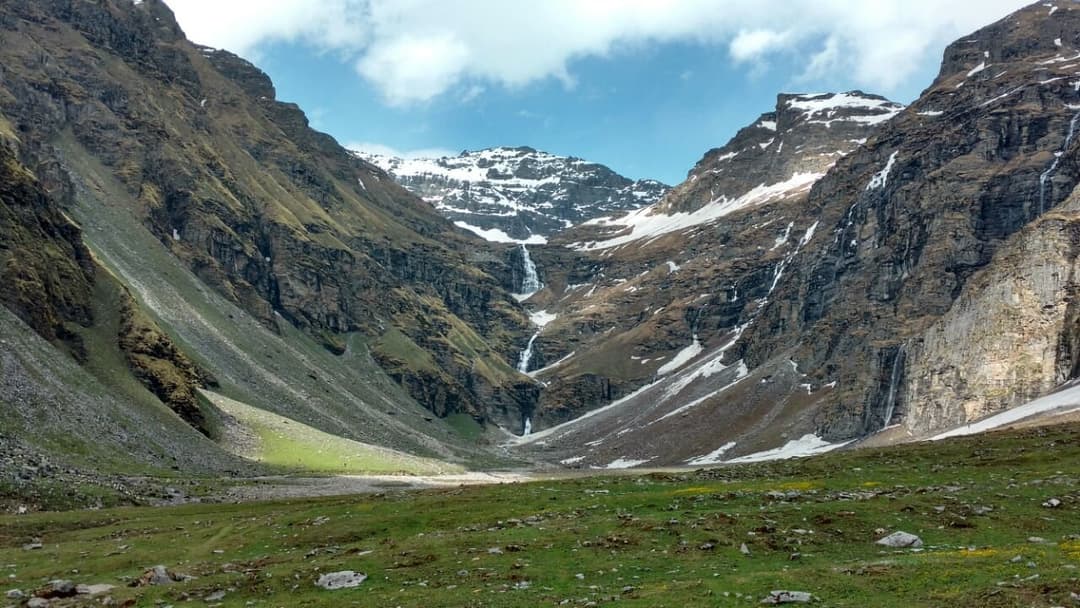
The Pin Parbati Pass in Himachal Pradesh, the high-altitude crossing between the Kullu Valley and the cold desert of Spiti, the transition from green Himalayan landscape to barren Tibetan plateau happening over a single pass at 5,319 metres. The route serious trekkers reference and casual trekkers haven't found yet.
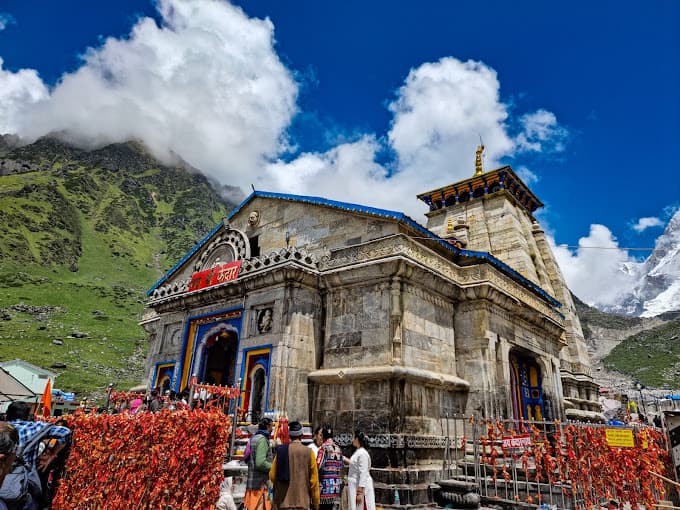
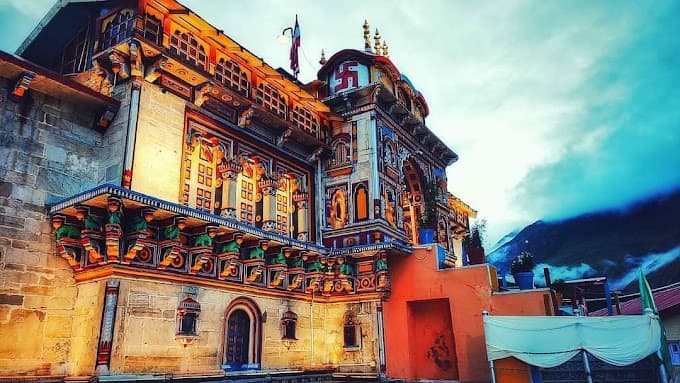
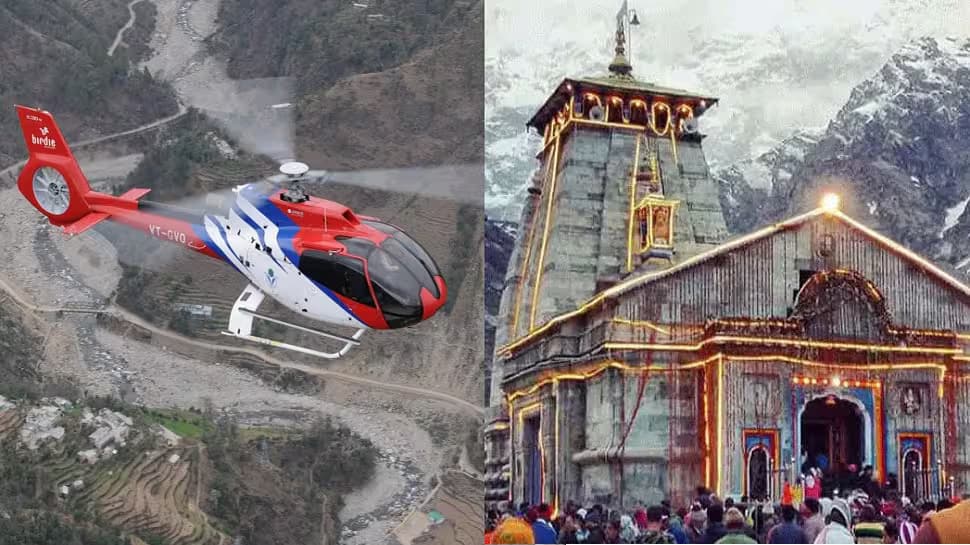
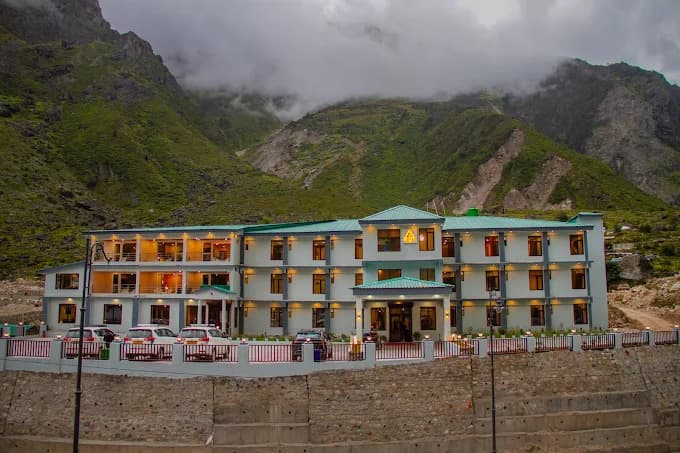
For the spiritually inclined, the Kedarnath and Badrinath treks in Uttarakhand sit at the intersection of pilgrimage and high-altitude walking, the approach to Kedarnath through the Mandakini valley, the Badrinath temple at 3,133 metres with the Nilkantha peak behind it. The Char Dham circuit as a trekking proposition rather than a vehicle pilgrimage is significantly underutilised.
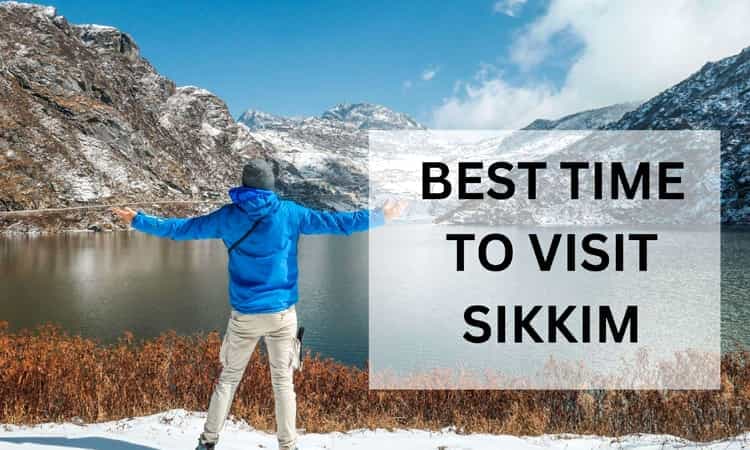
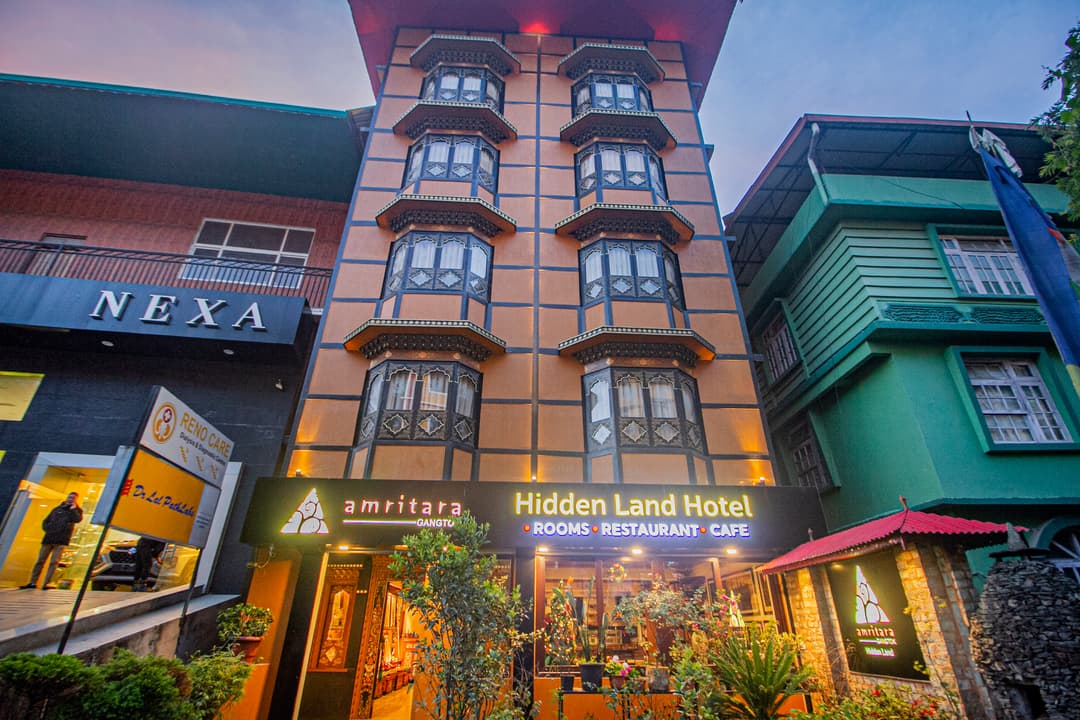
Gangtok in Sikkim is the gateway to some of the most underrated trekking in the Himalayan system. The Goecha La approach to the base of Kangchenjunga, the Dzongri plateau, the rhododendron forest above Yuksom that turns the approach into something memorable before the altitude begins. Sikkim's trekking infrastructure is less developed than Uttarakhand's or Himachal's, which is the reason to go.
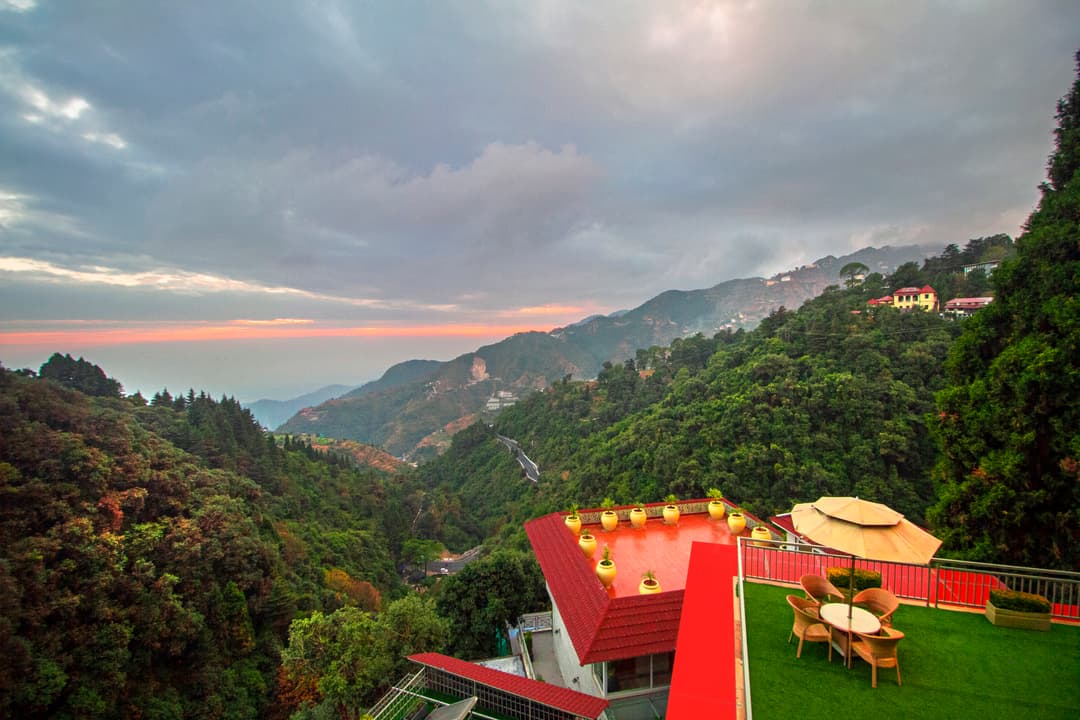
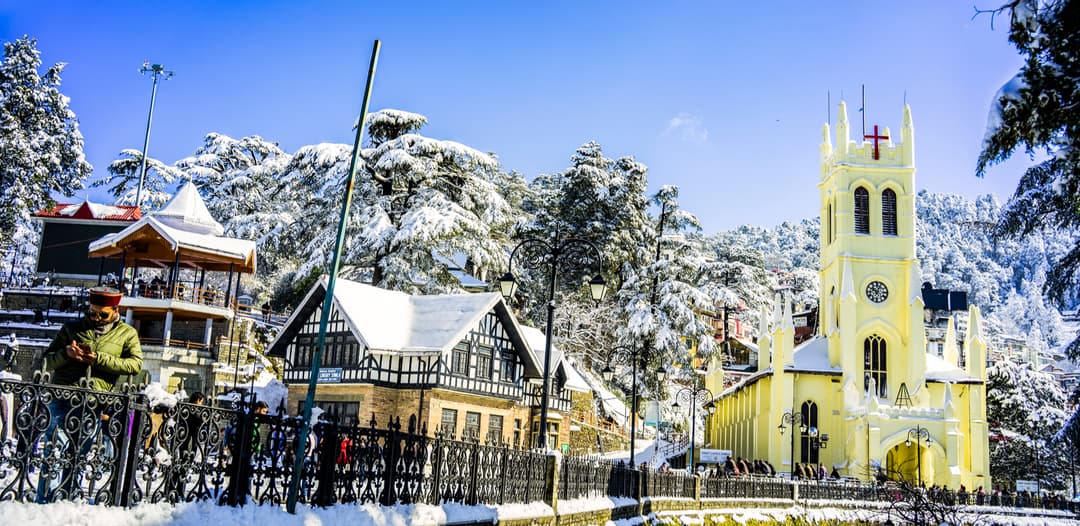
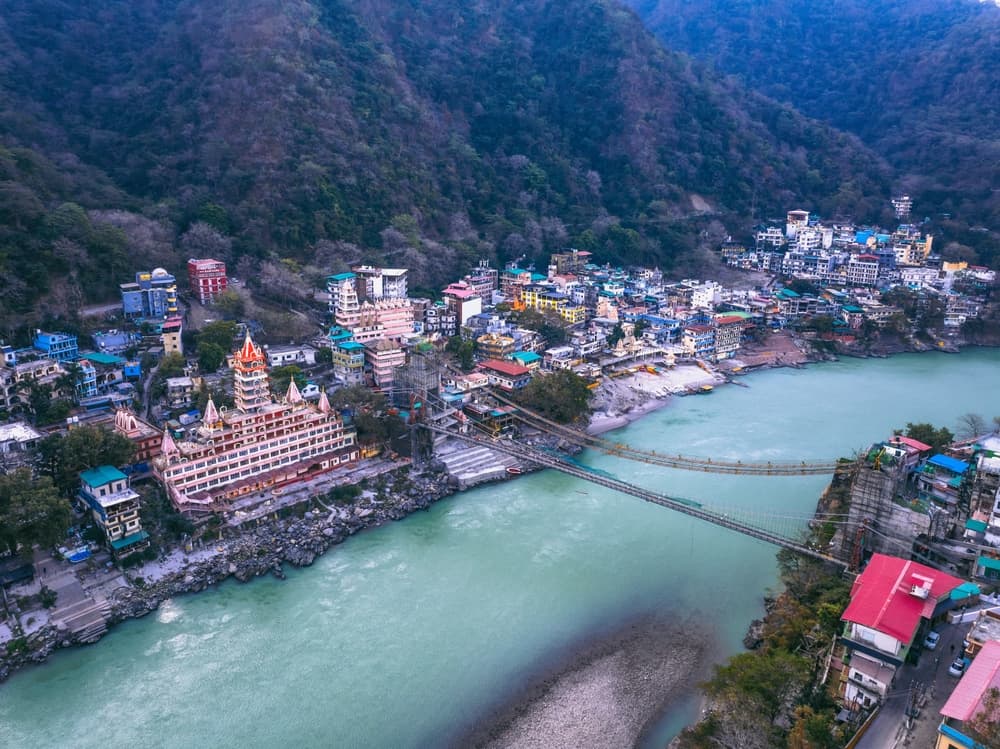
Rishikesh and Mussoorie sit at the lower Himalayan elevation, not summit trekking but forest and ridge walking that the foothill landscape produces. The trails above Mussoorie toward Lal Tibba, the Rajaji National Park walks from the Rishikesh edge, the Neer Garh trail that most visitors to Rishikesh walk once and remember.
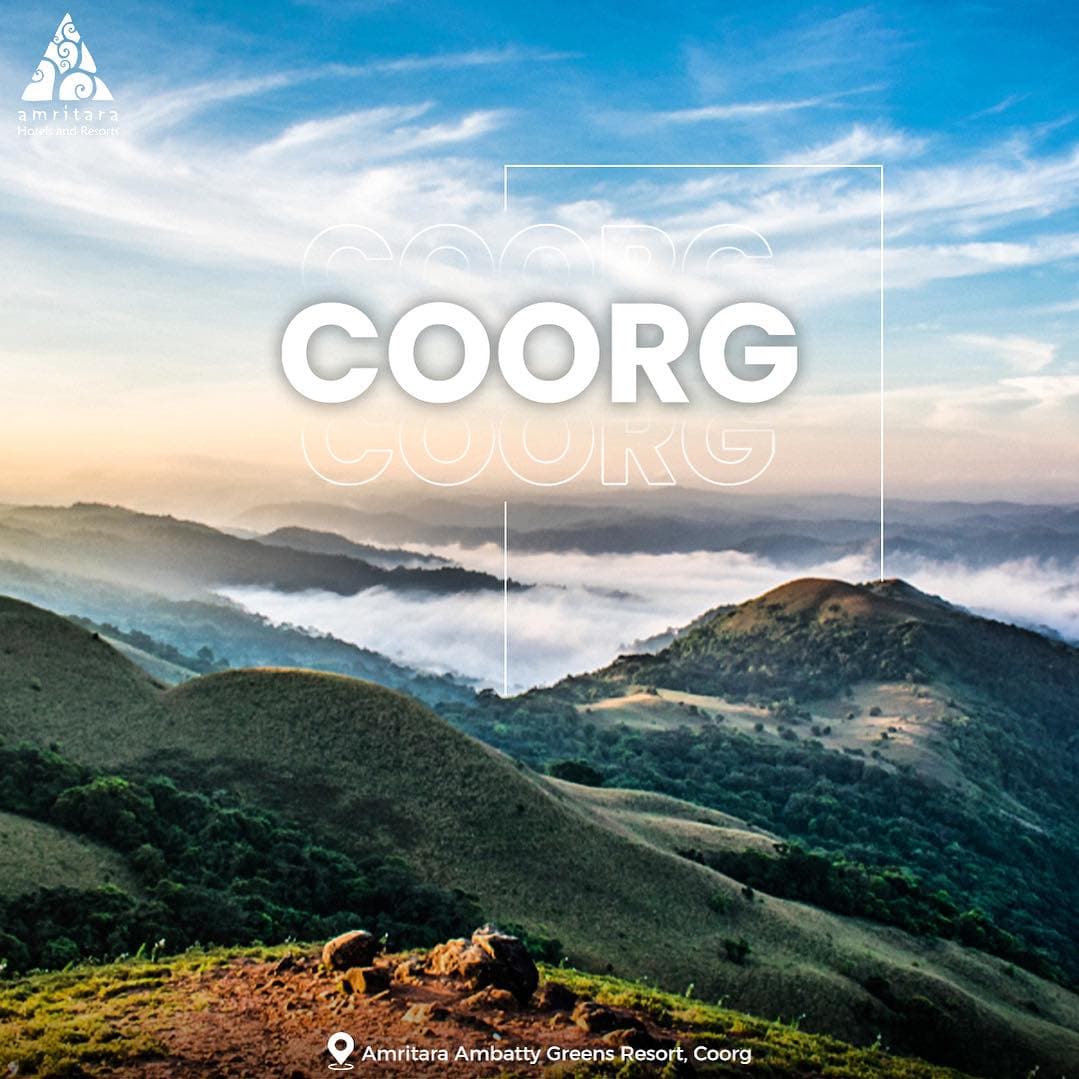
Coorg and the Western Ghats: The Mountain Trek Nobody Associates With India
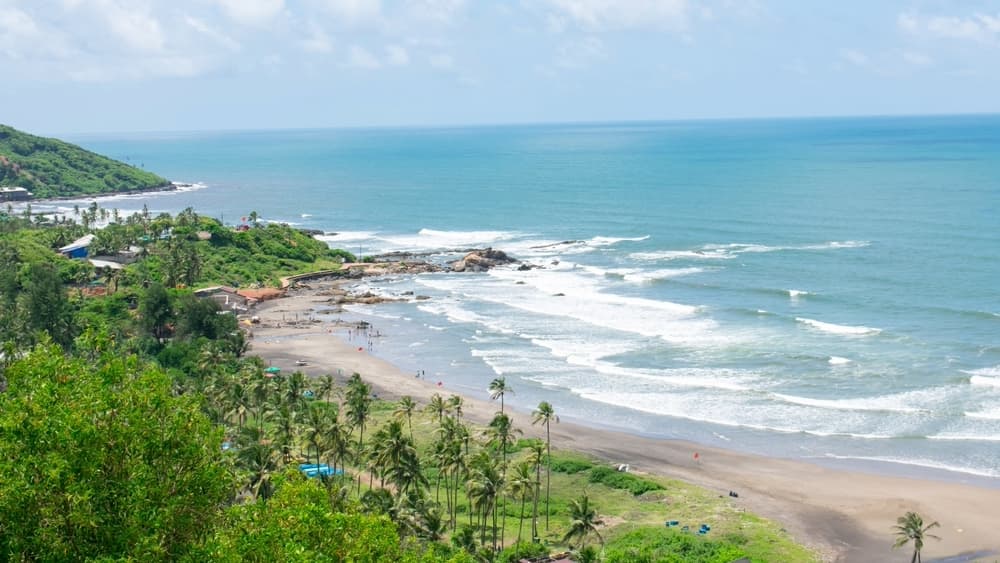
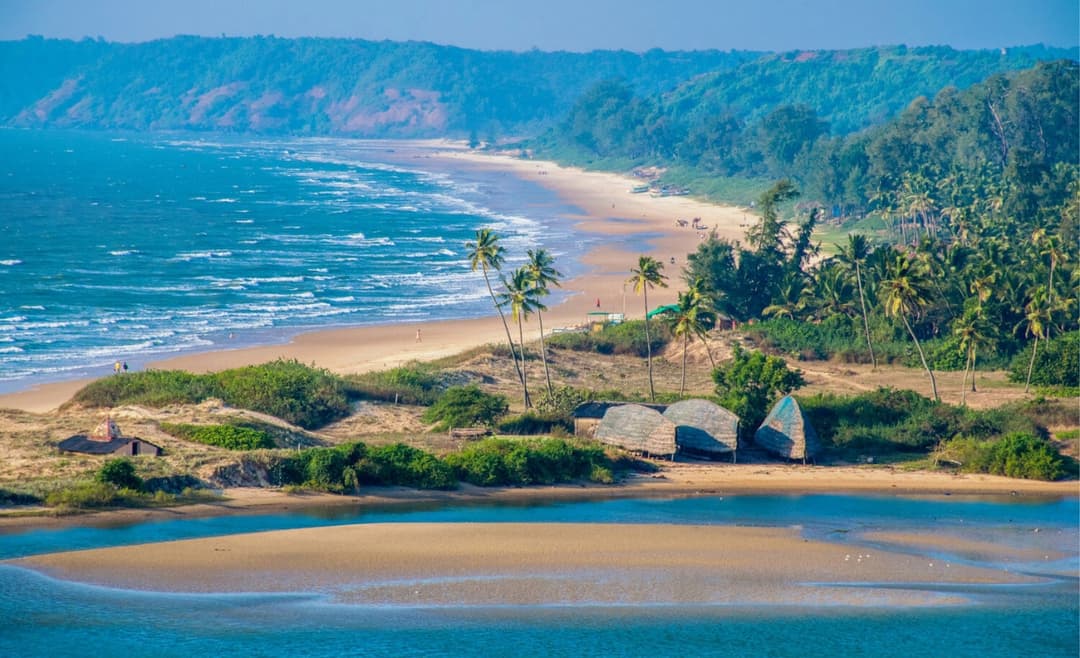
The Western Ghats produce a mountain trek experience the Himalayan conversation consistently overshadows. Kumara Parvatha in Karnataka, 1,712 metres through the Pushpagiri Wildlife Sanctuary, the trail through dense shola forest and grassland. The forest immersion and summit reward the Ghats produce is something the Himalayan routes, more exposed and altitude-dependent, don't replicate.
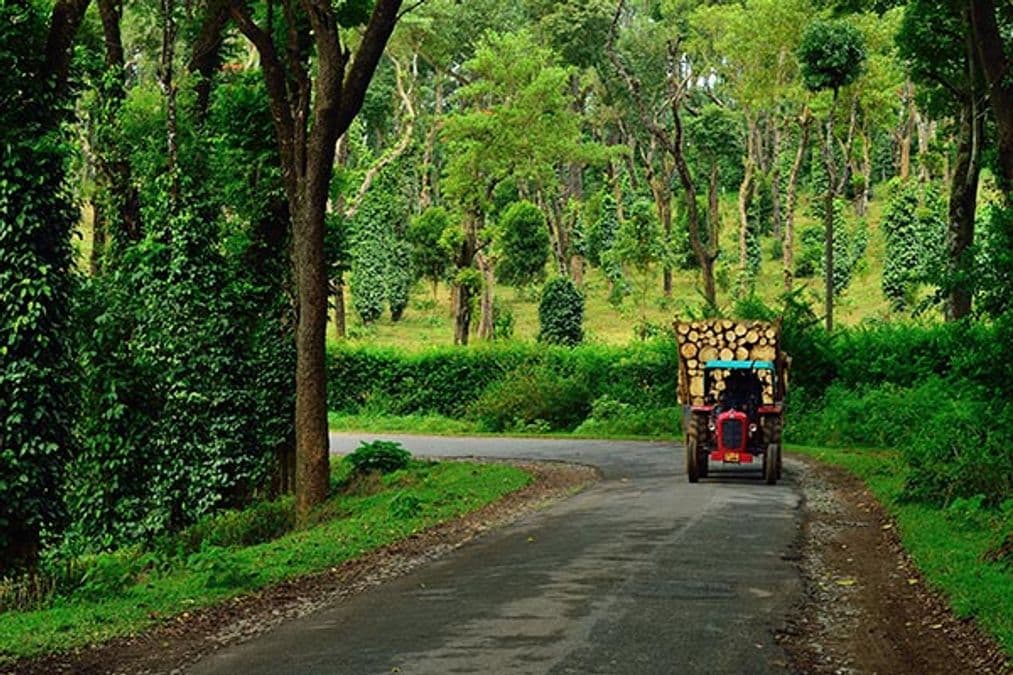
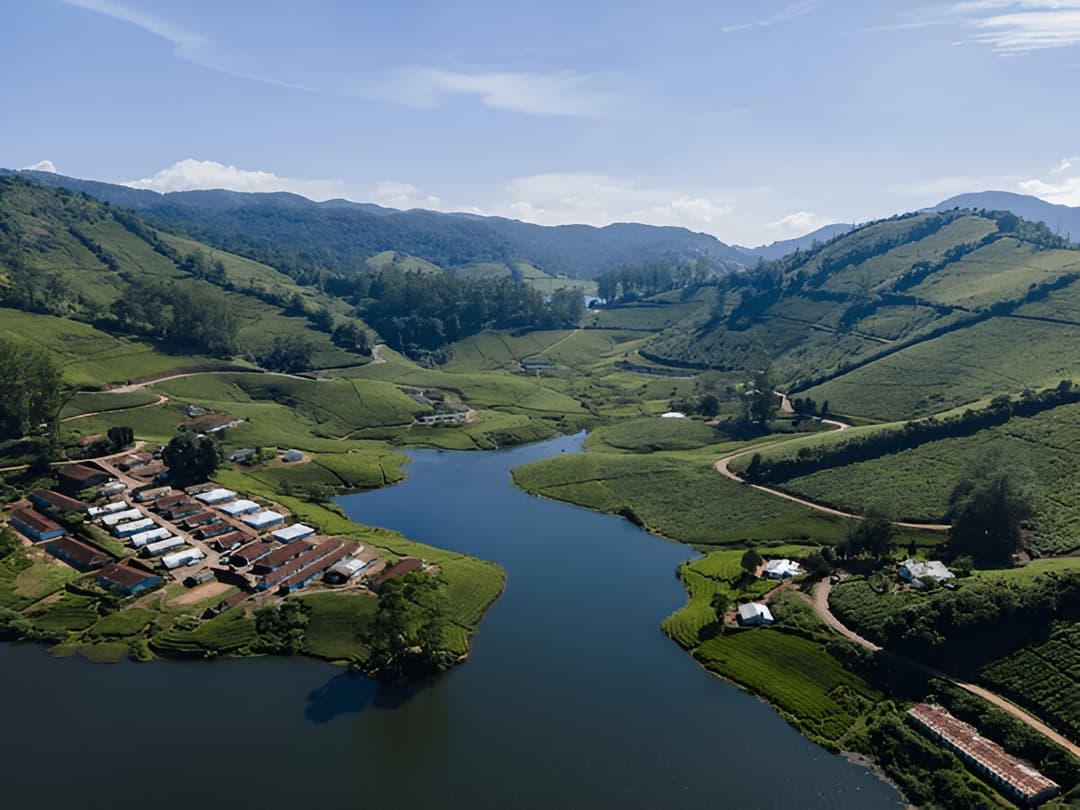
Coorg specifically for the estate walks and the Brahmagiri ridge trail, the coffee and cardamom landscape below, the Western Ghats forest above, the transition between the two happening on the trail itself. Chembra Peak in Kerala, the heart-shaped lake at the summit, the tea estate approach, the grassland at the top that the Kerala tourist circuit doesn't include on the standard itinerary.
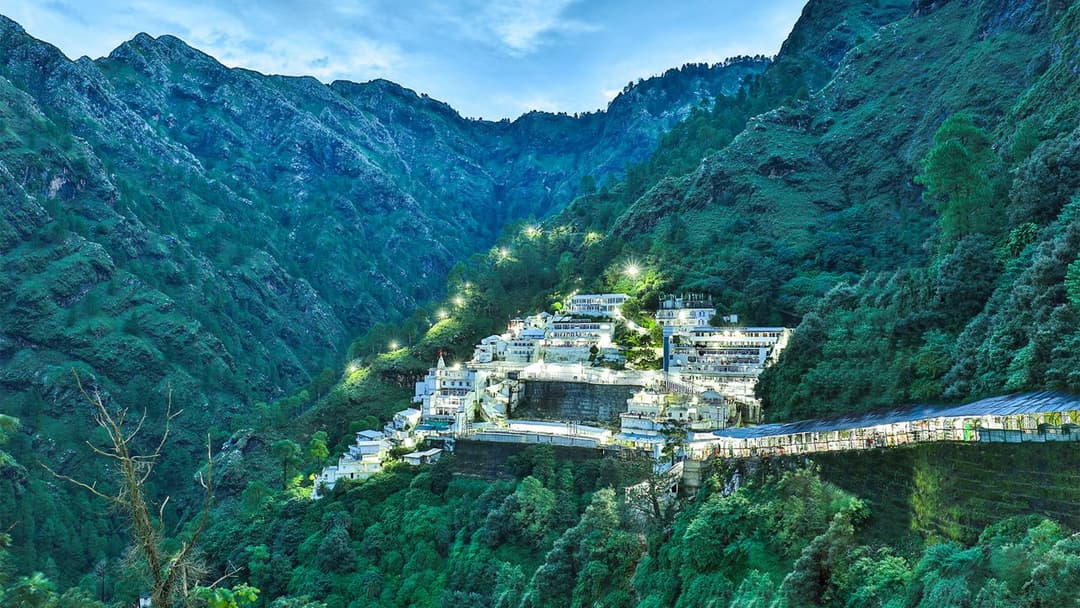
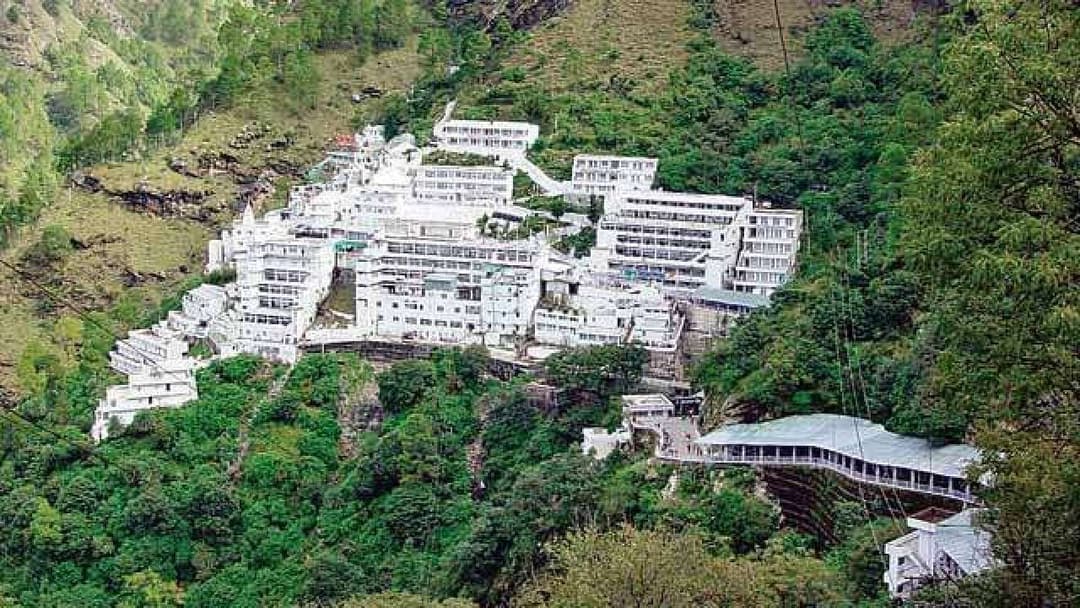
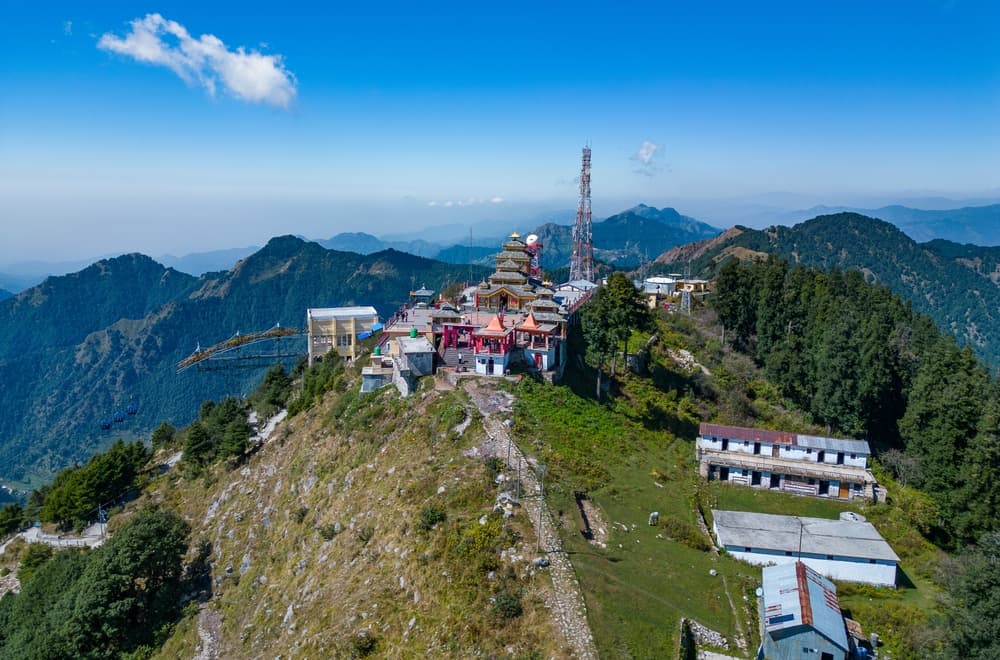
Katra in Jammu, the base for the Vaishno Devi trek, handles millions of pilgrims annually and yet the trail itself, through the Trikuta Hills, is a genuine mountain walk. 14 kilometres to the shrine at 5,200 feet. The trail infrastructure is well-managed and the experience of walking a route alongside devotees from across the country is specific to this kind of Indian trekking that the adventure circuit doesn't capture.
What the Mountain Trek Actually Requires
Fitness first. Not extreme fitness, sustainable fitness. The ability to walk five to eight hours on consecutive days carrying a 10-kilogram pack. Achievable with six to eight weeks of consistent preparation. Not achievable by assuming the mountain will substitute for it.
Acclimatisation for anything above 3,500 metres. The guide question at the route level, the simple routes are manageable with GPS and trail description. The high passes require someone whose knowledge extends to the route's failure modes as well as its highlights.
The Country Waiting Above the Road
The India that exists above the treeline, above the road, above the elevation the vehicle reaches, this is what the mountain trek accesses. Every mountain system. Every season producing a different version of the same landscape. The Sandakphu dawn with four Himalayan giants on the horizon. The Kumara Parvatha forest closing above the trail and opening at the summit. The Kedarnath approach through the Mandakini valley. The Gangtok gateway to Kangchenjunga's base.
The mountain trek is the specific entry point to the version of India the standard itinerary travels past without stopping. The road ends. The trail continues.