Blog Detail
Ganga Aarti Varanasi: Timings, Best Viewing Spots & the Sunrise Boat Ride Guide

Ganga Aarti Varanasi: Timings, Best Viewing Spots & the Sunrise Boat Ride Guide
The Ganga Aarti at Dashashwamedh Ghat happens every evening without exception. Rain, fog, national holiday, power cut to the rest of the city — the priests are there. Seven of them, synchronised, standing on identical raised platforms above the water, moving through a choreography that takes forty-five minutes and has been refined across decades into something that is simultaneously ritual and performance.
If you are going to Varanasi, you will see the Aarti. The question is how you see it — from a boat on the river, from the ghat itself, from the balcony of a building on the bank, or from fifty rows back on the steps where you cannot see much beyond the heads of the people in front of you. This guide makes sure it is the first option.
Understanding the two Aarties: evening and morning
There are two Aarties daily at Dashashwamedh Ghat. Most visitors know only one.
The evening Aarti (Sandhya Aarti) is the main event. Seven priests perform simultaneously with large brass lamps, incense, and conch shells. The ceremony begins at sunset and the start time shifts by season. In June and July, it begins around 7:00 PM. In October and November, around 6:00 PM. In December and January, around 5:30 PM. The ceremony runs forty to forty-five minutes. Check the current time at the ghat or with your hotel — the priests adjust to the sunset, not the clock.
The morning Aarti (Pratah Aarti) is smaller and less attended. It takes place at sunrise — again seasonally variable, between 5:00 AM and 6:15 AM across the year. This is the Aarti that the devoted come to daily. Fewer tourists, more pilgrims, and a different quality of atmosphere entirely.
The best ways to watch the Aarti
From a boat on the river — the right way
Booking a boat for the Aarti is straightforward. Boats are available at all the main ghats — Dashashwamedh, Assi, Harishchandra — and can be arranged through your hotel or directly with boatmen at the ghat. Rates vary but a private boat for two to four people runs Rs 600–1,200 for the Aarti duration.
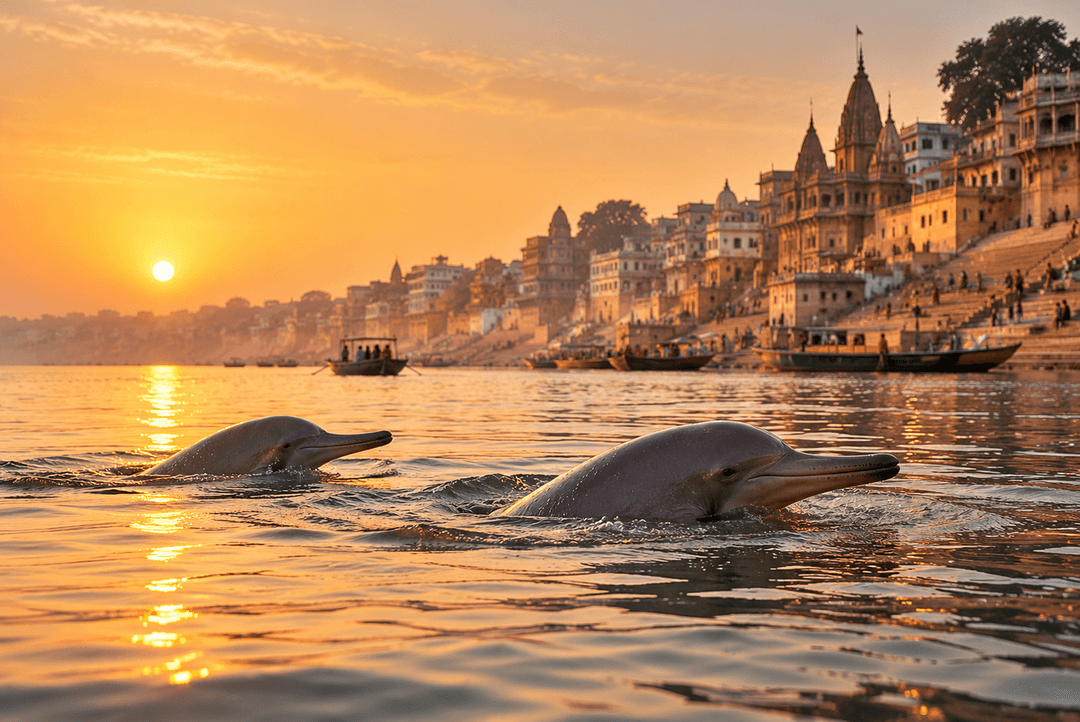
The view from the water is the correct one. You see all seven priests simultaneously, the lamps reflecting on the river, the entire ghat behind them lit by the ceremony rather than the overhead lighting that drowns the atmosphere from the steps. The sound carries across the water without distortion.
Position the boat about thirty metres from the ghat, roughly in line with the centre platform. Arrive fifteen minutes before the Aarti begins. The river fills with boats as the ceremony starts — arriving early secures a clear sightline.
From the ghat itself — front rows only
If you want to stand at the ghat rather than sit in a boat, arrive one hour early. The front positions near the railing above the water are the only ones worth having — close enough to see the detail of the ceremony, with an unobstructed view of the lamps and the priests. Positions on the steps more than four rows back lose sight of the lower lamp movements and offer only the raised lamps and the smoke.
From a building balcony
Several restaurants and guesthouses along the Dashashwamedh Ghat waterfront offer balcony seating for the Aarti. You pay for food or a fixed cover charge. The view from a second-floor balcony directly above the ghat is unusual — looking slightly down at the ceremony from behind, with the river ahead of the priests and the crowd below you. A different perspective, but worth it if you have already done the boat.
The sunrise boat ride: the other unmissable Varanasi experience
The sunrise boat ride along the ghats is, by general agreement among repeat visitors to Varanasi, the single best experience the city offers. Nothing competes.
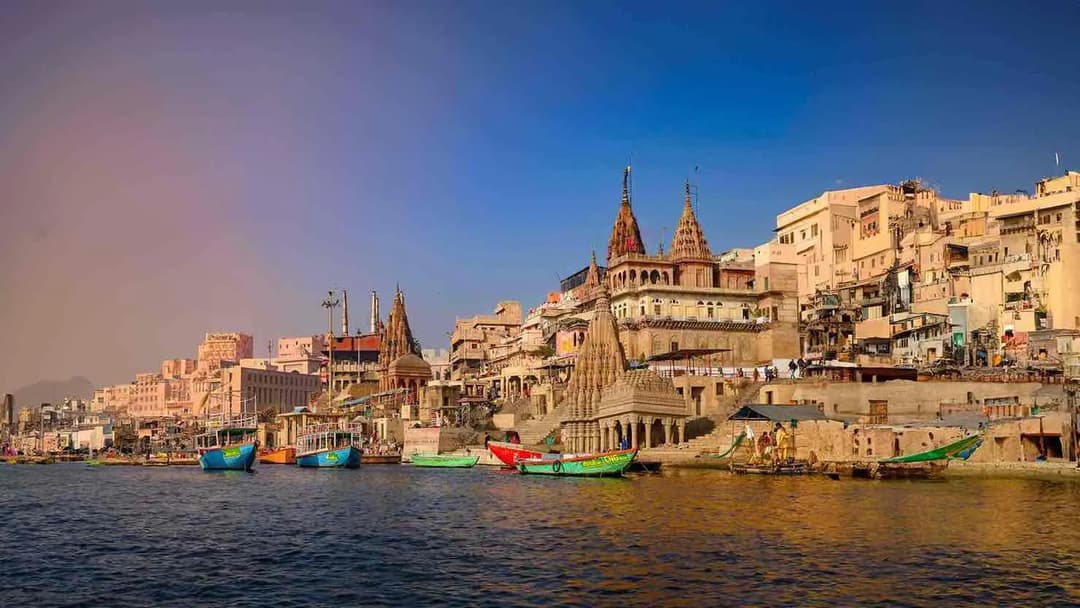
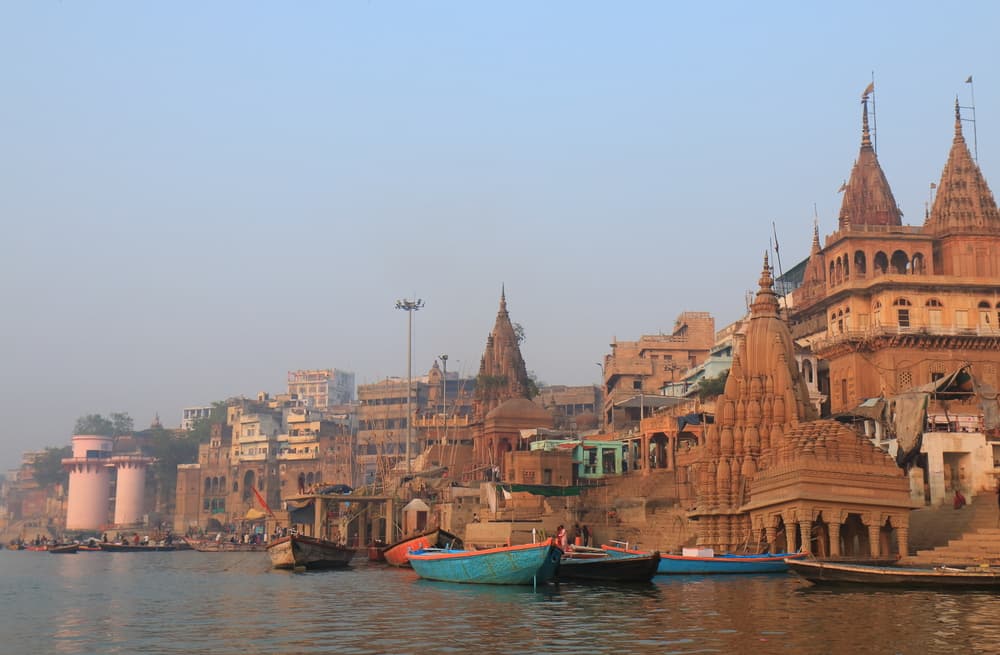
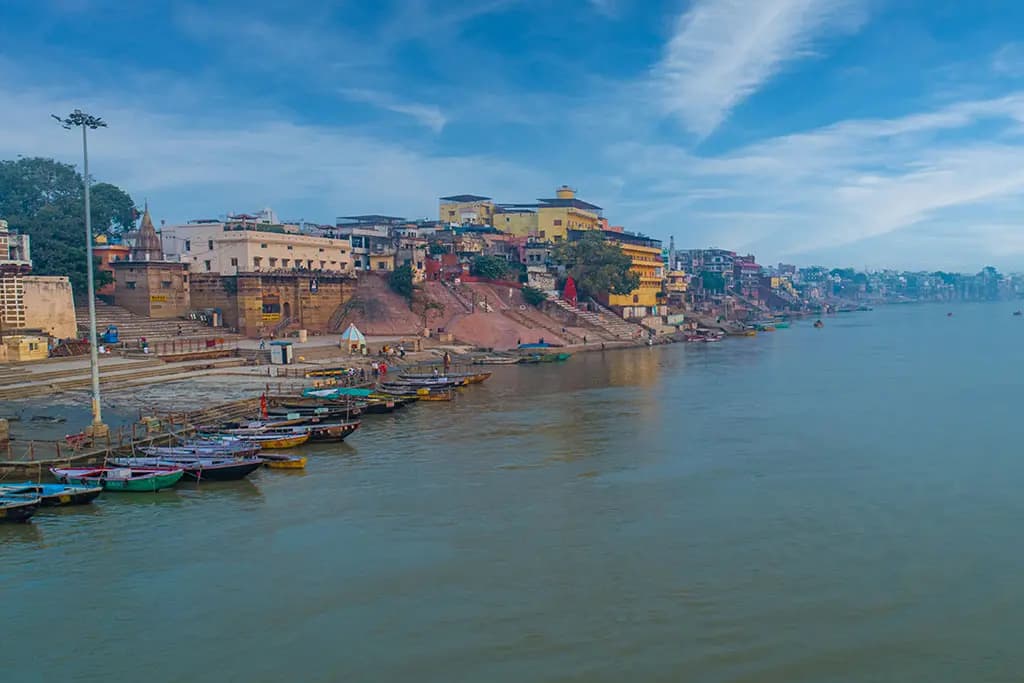
It begins before the sun is up. Departure from any of the southern ghats — Assi Ghat is the conventional starting point — between 5:00 and 5:30 AM. The boat moves slowly north along the west bank of the Ganges, past eighty-eight named ghats, while the city wakes up on the steps beside you.
What you see on the sunrise boat ride
Assi Ghat — the starting point and gathering place for the morning Aarti. Pilgrims performing morning prayers in the river as you depart.
Tulsi Ghat — named for the 16th-century poet saint Tulsidas who composed the Ramcharitmanas here. One of the quieter, more atmospheric ghats.
Harishchandra Ghat — one of Varanasi's two burning ghats, where Hindu cremations take place around the clock. Visible from the river. The guide will explain the significance; the observation is handled with the expected sensitivity.
Dashashwamedh Ghat — the main ghat, now quiet after the previous evening's Aarti. The cleaning crew is out. The temples behind it are lit for morning prayers.
Manikarnika Ghat — Varanasi's principal burning ghat and one of the holiest sites in Hinduism, where to die and be cremated is considered to achieve moksha. The pyres are continuous. The boat gives the respectful distance that the ghat's significance requires.
Man Mandir Ghat — an 18th-century observatory built by Maharaja Jai Singh II of Jaipur, with astronomical instruments still visible.
Timing the sunrise boat ride
The golden hour on the Ganges happens in the twenty minutes around sunrise. Arrange departure so the boat reaches Dashashwamedh Ghat area as the sun clears the horizon on the opposite bank. Ask your boatman to time it — they know the calculation. The light on the ghats at that moment, amber and direct from the east bank, is why this ride has been described the same way by writers for a hundred and fifty years.
Combining Aarti and boat ride: the two-morning approach
The practical recommendation: see the evening Aarti from a boat on your first evening in Varanasi. On your second morning, take the sunrise boat ride from Assi Ghat. These are two separate experiences that complement each other — the evening Aarti shows you the ritual at its most elaborate, the morning ride shows you the city at its most alive in daily life.
Trying to combine both in a single day is possible but tiring. The evening Aarti ends around 7:45 PM; the sunrise ride requires a 5:00 AM departure. If you are staying one night only, prioritise the sunrise ride — it is the longer and more varied experience.
Where to stay: Amritara Suryauday Haveli
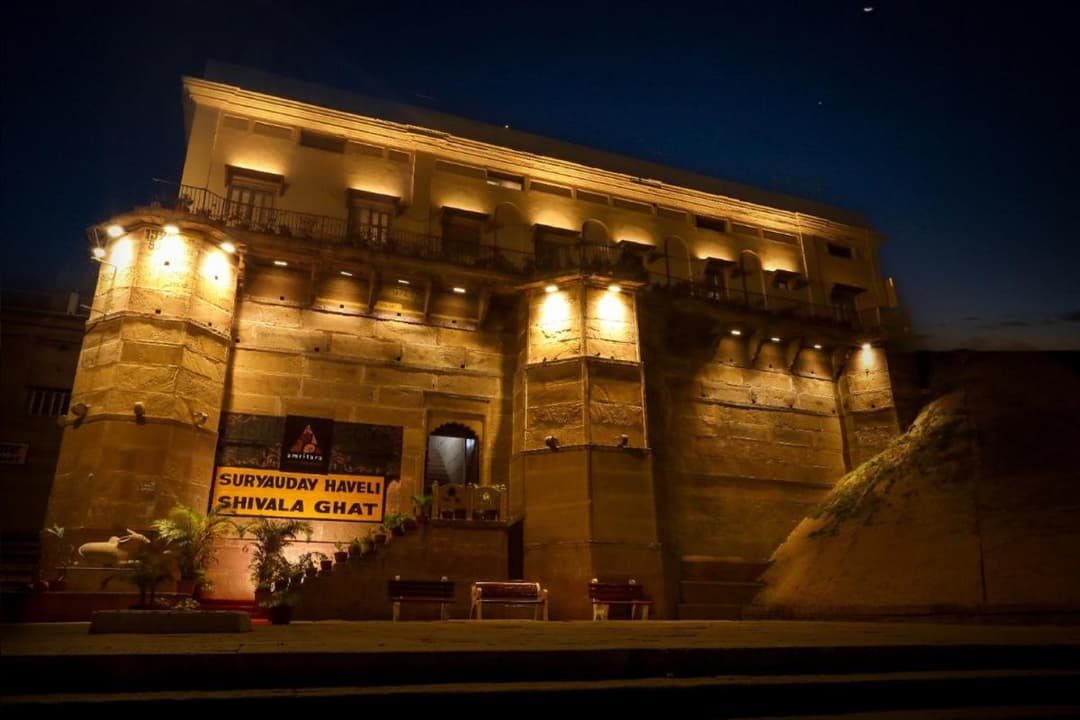
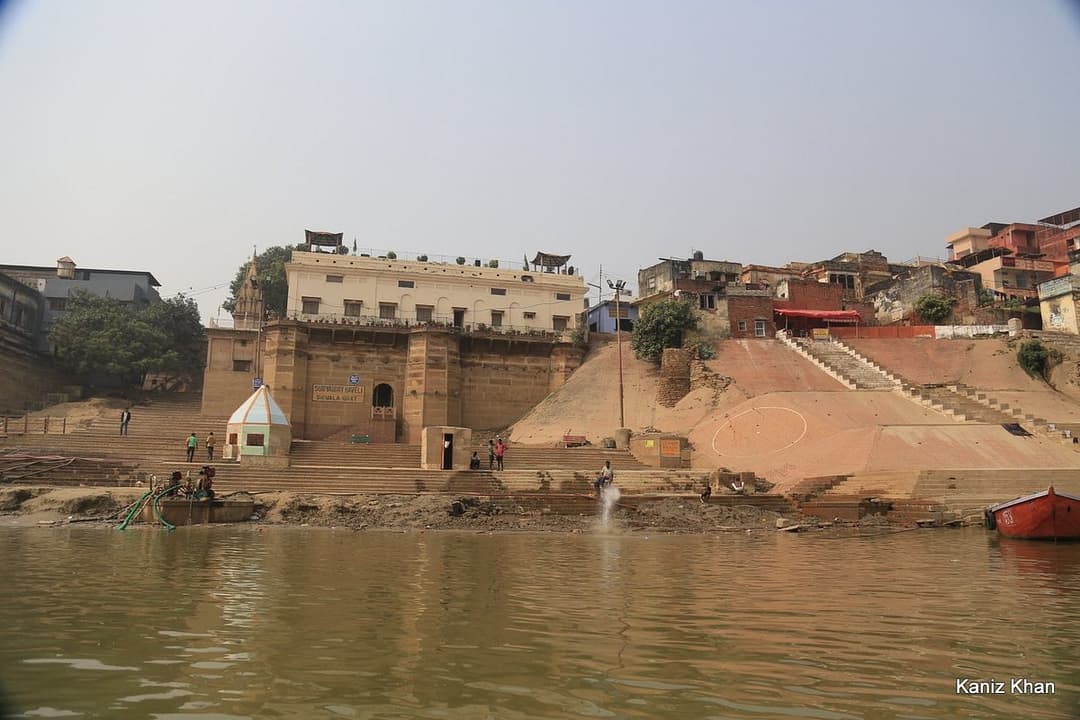
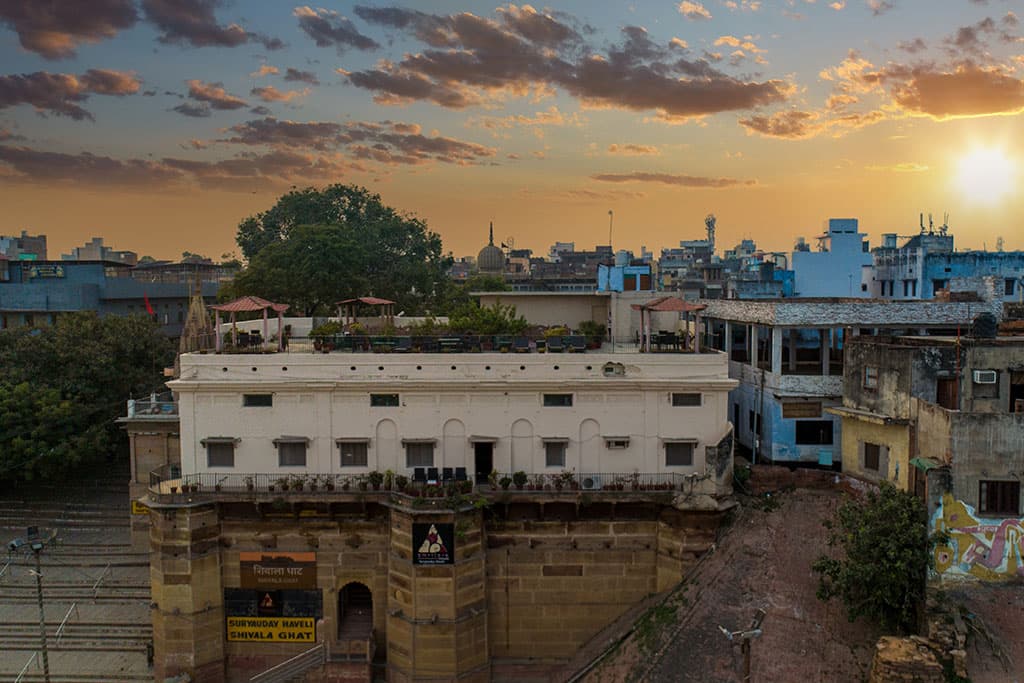
Suryauday Haveli sits at Shivala Ghat on the Ganges — a restored heritage haveli on the waterfront with views directly onto the river. Shivala Ghat is eight ghats south of Dashashwamedh. Walking distance to the main Aarti, accessible by boat in five minutes.
The haveli's position on the ghat means the sunrise boat ride departs from your doorstep. The morning Ganges — mist on the water, the temple bells from across the river — is what you see when you step out before breakfast. This is the Varanasi experience the destination is built for, and Suryauday Haveli is one of the few properties positioned to deliver it directly.
Book Amritara Suryauday Haveli, Varanasi
Ghat-front rooms — book at amritara.co.in
Frequently asked questions
What time is Ganga Aarti in Varanasi?
The evening Ganga Aarti at Dashashwamedh Ghat begins at sunset — approximately 5:30 PM in December and January, 6:00 PM in October and November, and 7:00–7:15 PM in June and July. The ceremony runs forty to forty-five minutes. Confirm the exact time with your hotel on the day of visit as it adjusts to the sunset.
What is the best way to watch Ganga Aarti in Varanasi?
From a boat positioned thirty metres from Dashashwamedh Ghat, about fifteen minutes before the ceremony begins. This gives you a clear view of all seven priests simultaneously, with the lamps reflecting on the river. Arrive early — the river fills with boats as the ceremony progresses.
Is there a morning Ganga Aarti in Varanasi?
Yes — the Pratah Aarti at Dashashwamedh Ghat takes place at sunrise daily. It is smaller and less theatrical than the evening ceremony but more intimate, with primarily devotees rather than tourists. Timing varies from 5:00 AM to 6:15 AM depending on the season.
How do I book a boat for the Ganga Aarti?
Boats are available at all main ghats and can be arranged through your hotel (recommended for price certainty) or directly with boatmen at Dashashwamedh, Assi or Harishchandra Ghat. A private boat for two to four people costs approximately Rs 600–1,200 for the Aarti duration.
How long should I spend in Varanasi?
Two full days is the minimum to see the city properly — one evening for the Ganga Aarti by boat, one morning for the sunrise boat ride, and time for the ghats, Kashi Vishwanath temple, and the Banaras Hindu University campus. Three days allows a day trip to Sarnath.