Blog Detail
Best Bird Watching Places in Bharatpur for Nature Lovers

Best Bird Watching Places in Bharatpur for Nature Lovers
Bharatpur Isn't Just a Bird Sanctuary. It's One of the Best Bird Watching Destinations in Asia.
Most people arrive for one reason. The birds. Keoladeo National Park, UNESCO World Heritage Site, eastern edge of the city, drawing ornithologists and wildlife photographers for decades. But the best bird watching places in Bharatpur don't stop at the park boundary. The visitor who maps only Keoladeo misses what makes the destination genuinely worth the trip.
This one's for the nature lover who wants the full picture.
Keoladeo National Park: Where It Starts
29 square kilometres. 370-plus recorded species. Wetlands, grasslands, dry deciduous forest, originally a Maharaja's hunting reserve in the 1850s, declared a national park in 1982.
Numbers tell part of it. The 6 am version tells the rest.
Keoladeo before the cycle-rickshaws arrive, light low across the water, herons working the shallows, egrets in the reeds, the park making its own sounds before the tourist traffic layers over them. That's the best bird watching places in Bharatpur experience that no photograph adequately carries.
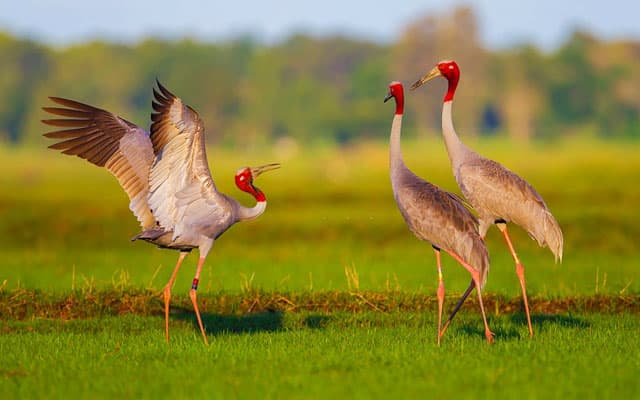
Resident species alone justify the visit. Painted storks, sarus cranes, Indian darters, purple herons, eagles, kites. October through March adds the migratory layer, Siberian ducks, bar-headed geese, and in exceptional years the Siberian crane that put Keoladeo on the international map. Go on foot, bicycle, or cycle-rickshaw with a guide. The guide matters more here than at most wildlife destinations. Vegetation gets dense. Birds don't announce themselves.
Beyond the Park: Places in Bharatpur for Nature Lovers Worth Knowing
- Aghapur and the surrounding wetlands: Farmland and seasonal wetlands east of Keoladeo. Different bird profile entirely, raptors in winter, waders during the monsoon transition, open-country birding the park's dense vegetation can't offer. A local guide who knows the agricultural areas adds species the park-only visitor simply doesn't see.
- Bharatpur Fort and Lohagarh: The moat and surrounding green areas. Bee-eaters, kingfishers, parakeets, resident year-round. Not a dedicated birding site. Worth an hour for the species count and the 18th-century fort simultaneously.
- Rupbas and the Banas River corridor: 35 kilometres out. Indian skimmers, sand martins, various waders in season. The drive through Rajasthan's eastern agricultural landscape is worth the trip on its own.
- Deeg and its palace gardens: 35 kilometres north. Mughal-era gardens holding bee-eaters, sunbirds, and rollers in the flowering season. Half a day from Bharatpur, works for both the birder and whoever came along for the architecture.
When to Go
Three windows. All different.
August through November: Resident bird activity at its peak. Stork and heron breeding season brings nesting colonies to the park trees. The painted stork colony mid-season is one of the more extraordinary wildlife spectacles in India. Full stop.
October through March: The migratory window. Winter ducks from Central Asia. Raptors on passage. Bar-headed geese using Keoladeo as a staging ground. This is peak season for the serious birder and the first-timer both.
April through June: Hot, dry, thin on visitors. Water levels drop. Migrants gone. Summer residents, bee-eaters, rollers, drongos, active. Not the prime window. Workable if there's no other option.
The Places in Bharatpur for Nature Lovers That Require a Vehicle
Fatehpur Sikri, 40 kilometres west. Most tourists come for the Mughal architecture. Most miss the birds. Common mynas, rose-ringed parakeets, rock pigeons on the fort walls. Raptors overhead occasionally. The agricultural land between Bharatpur and Fatehpur Sikri is worth scanning for harriers and larks in winter from the car window.
Agra, 55 kilometres further. Puts the Taj Mahal in range for a day trip. Relevant for whoever came along and doesn't own binoculars.
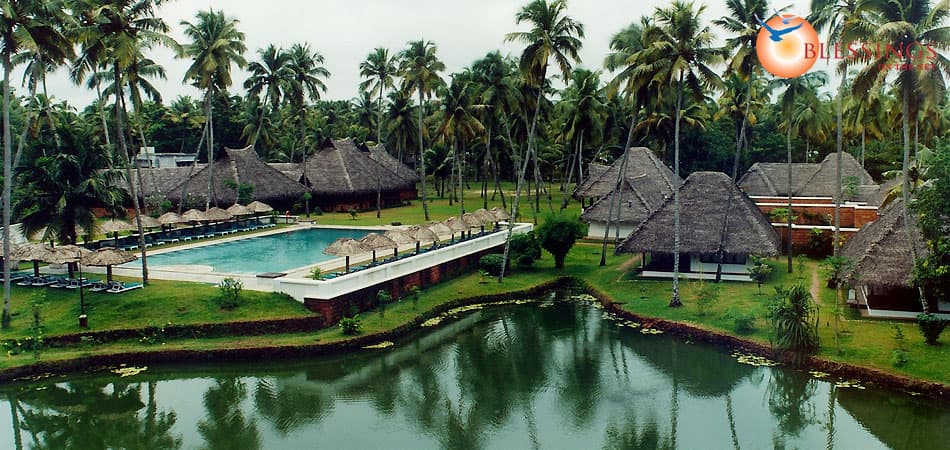
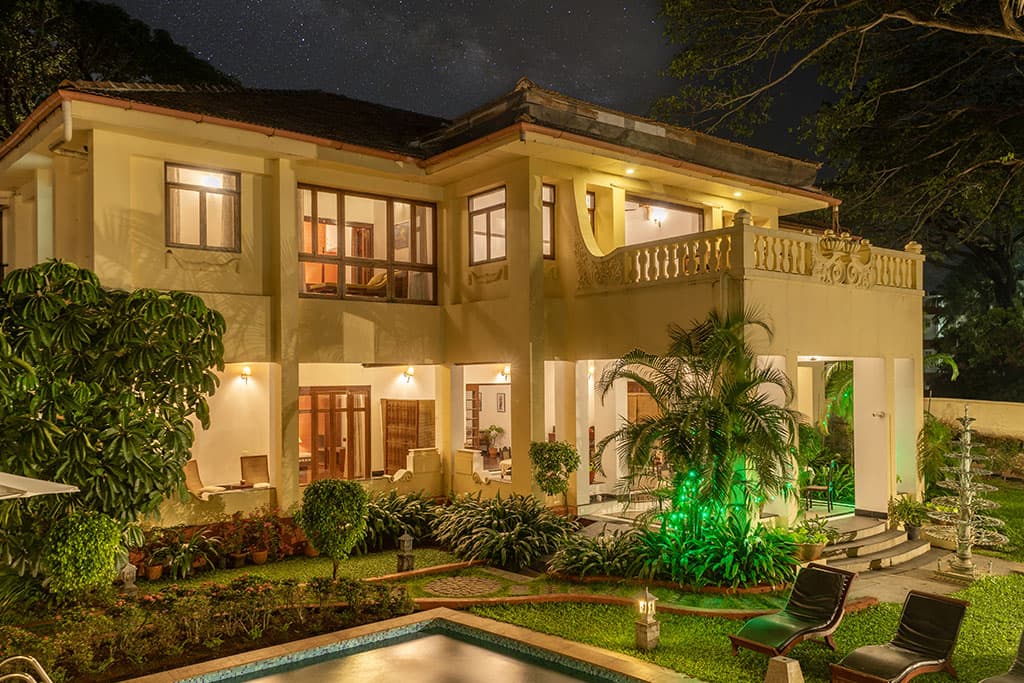
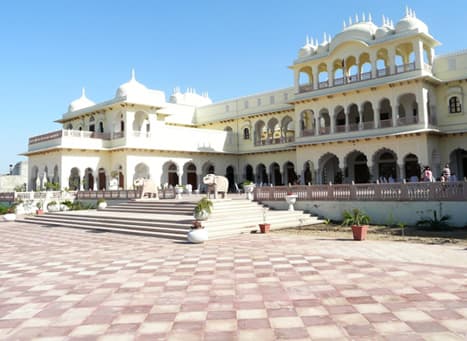
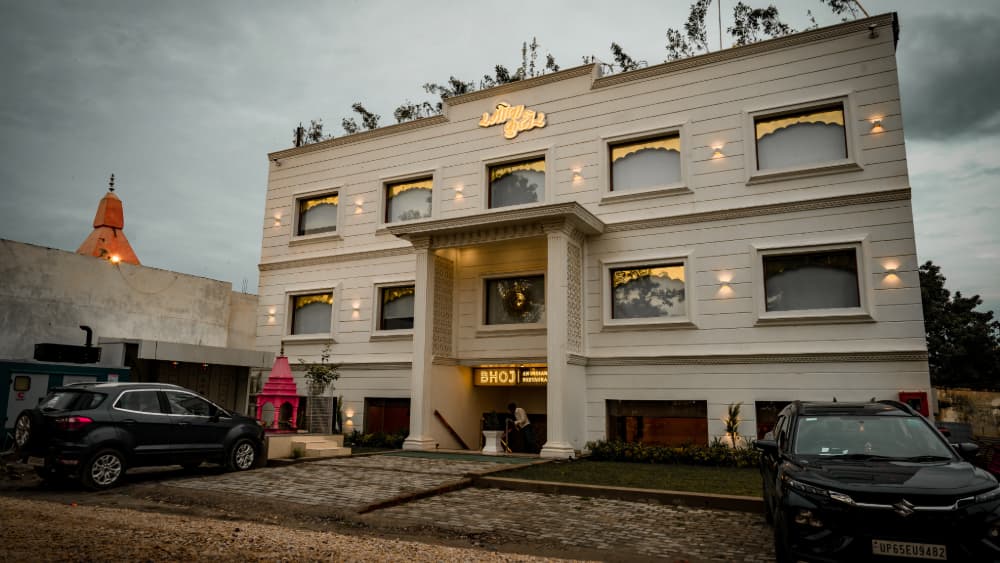
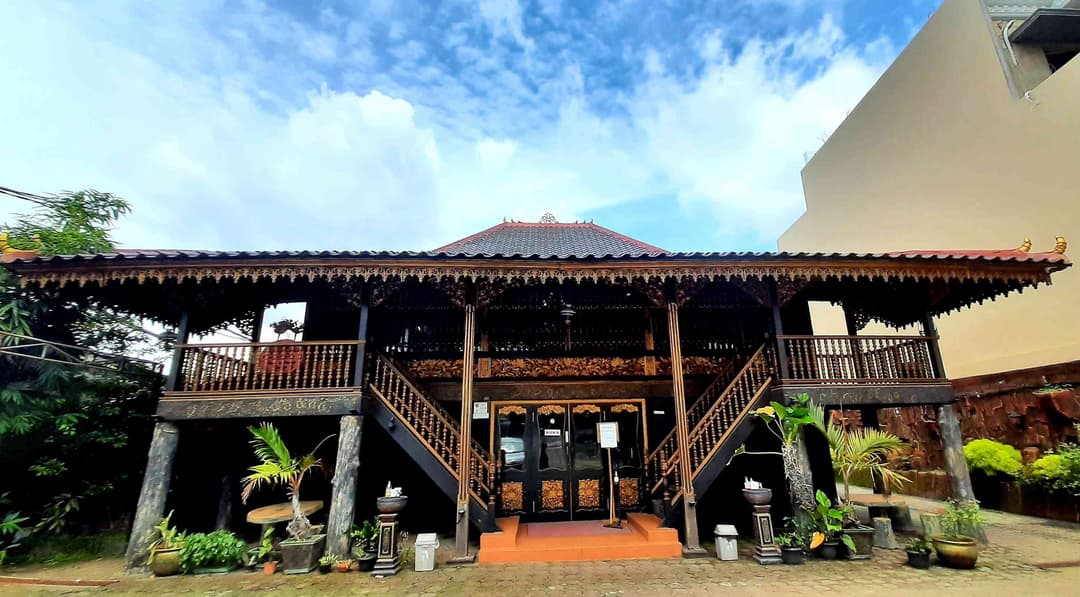
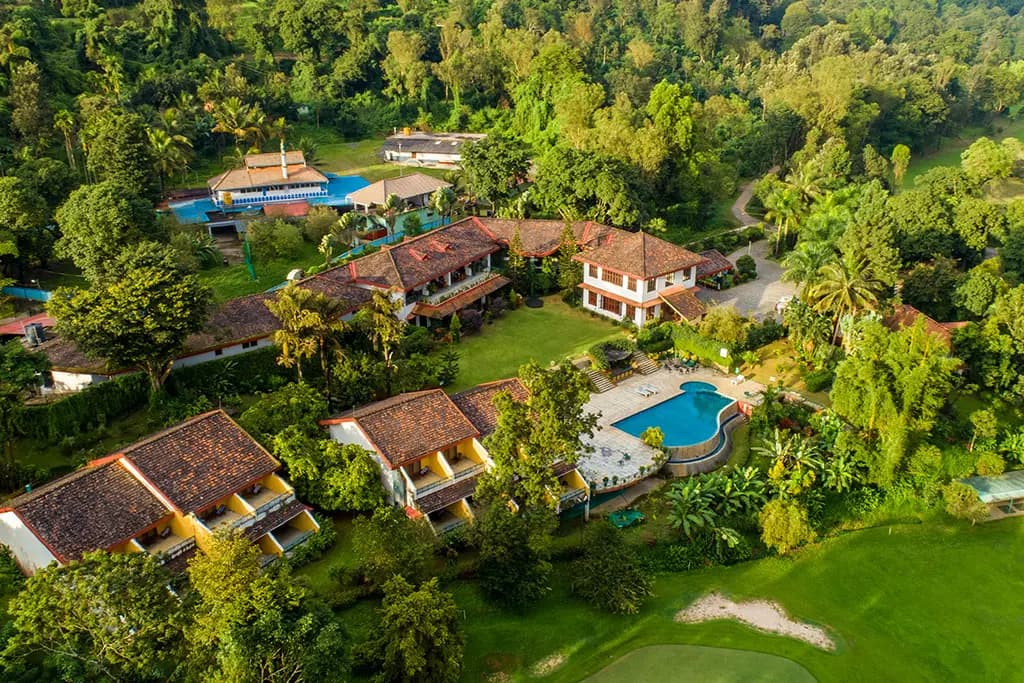
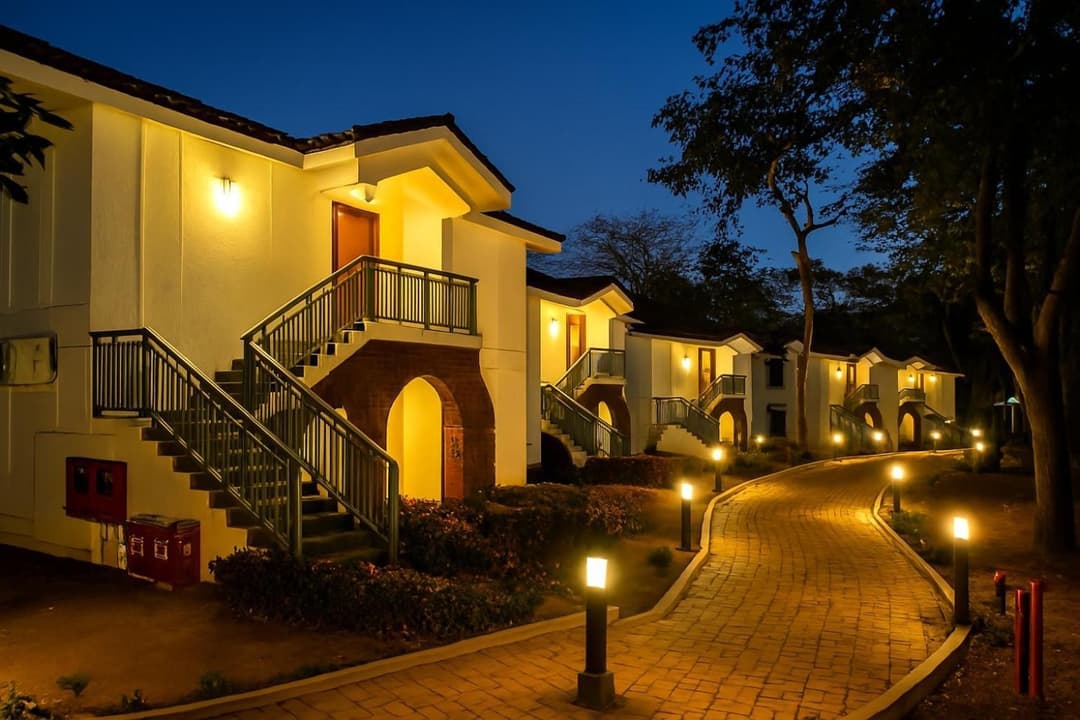
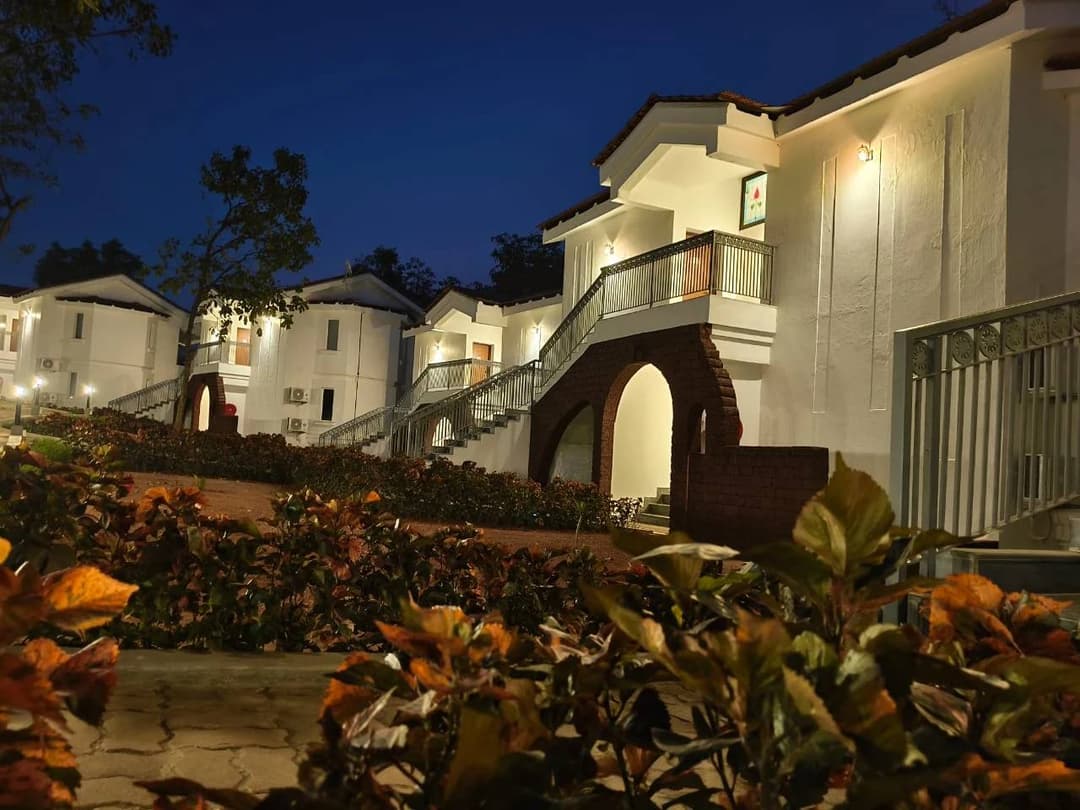
Amritara Chandra Mahal Haveli, Bharatpur
Peharsar Village, 24 kilometres from Keoladeo on the Jaipur-Agra Road, 1 kilometre from the main highway, inside the village itself.
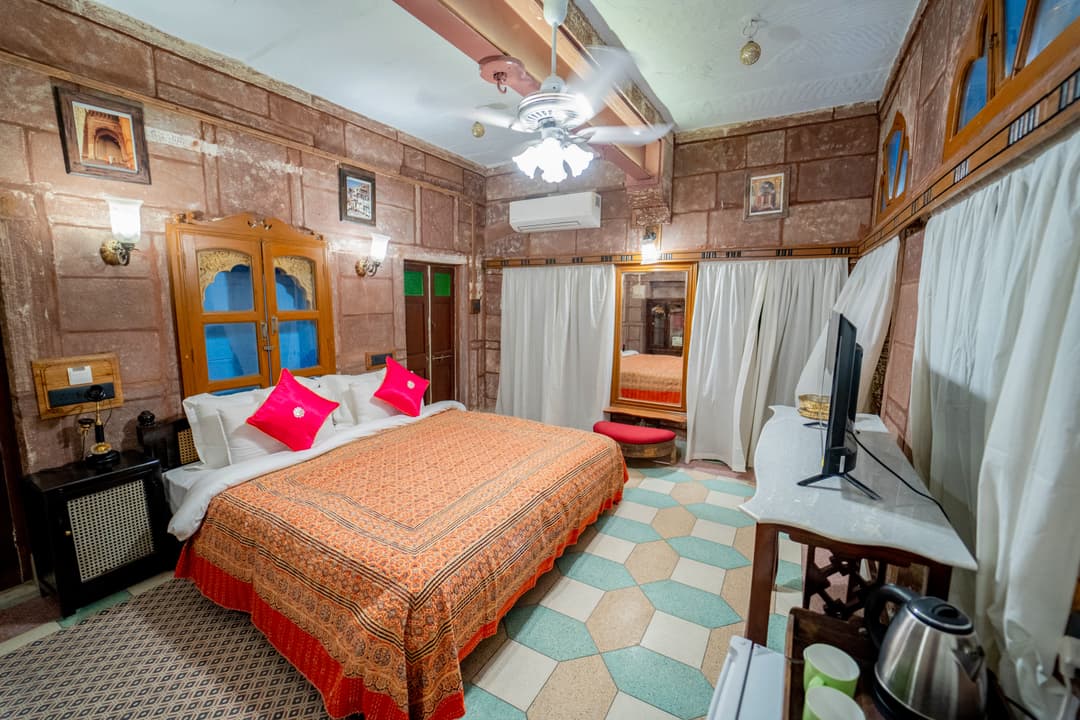
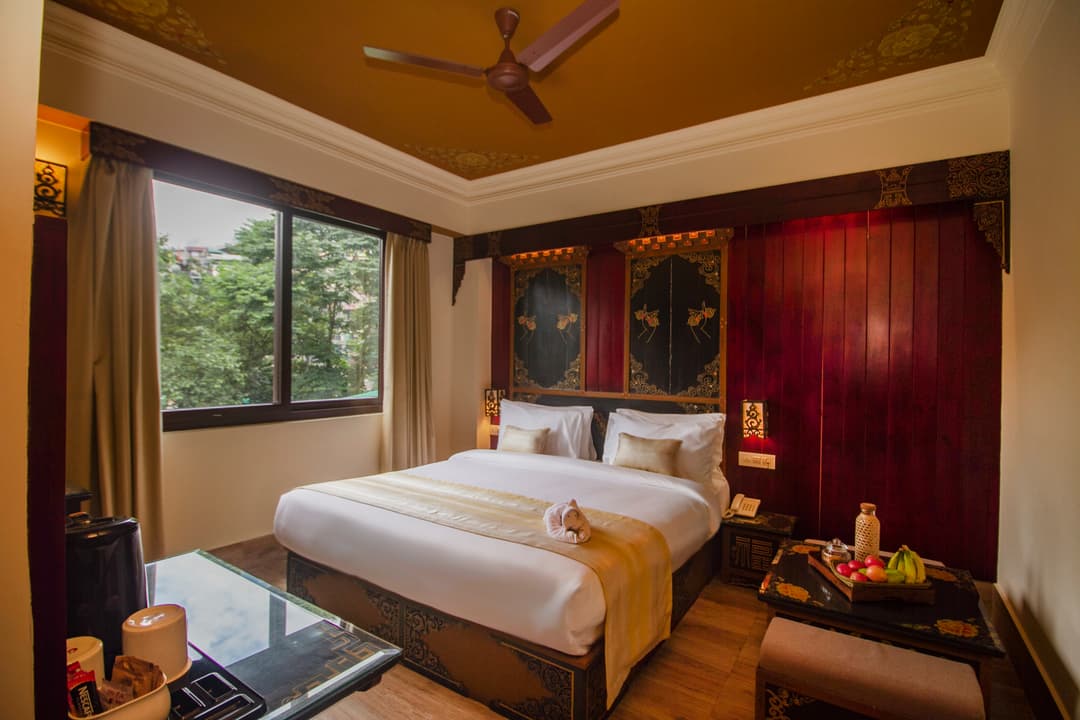
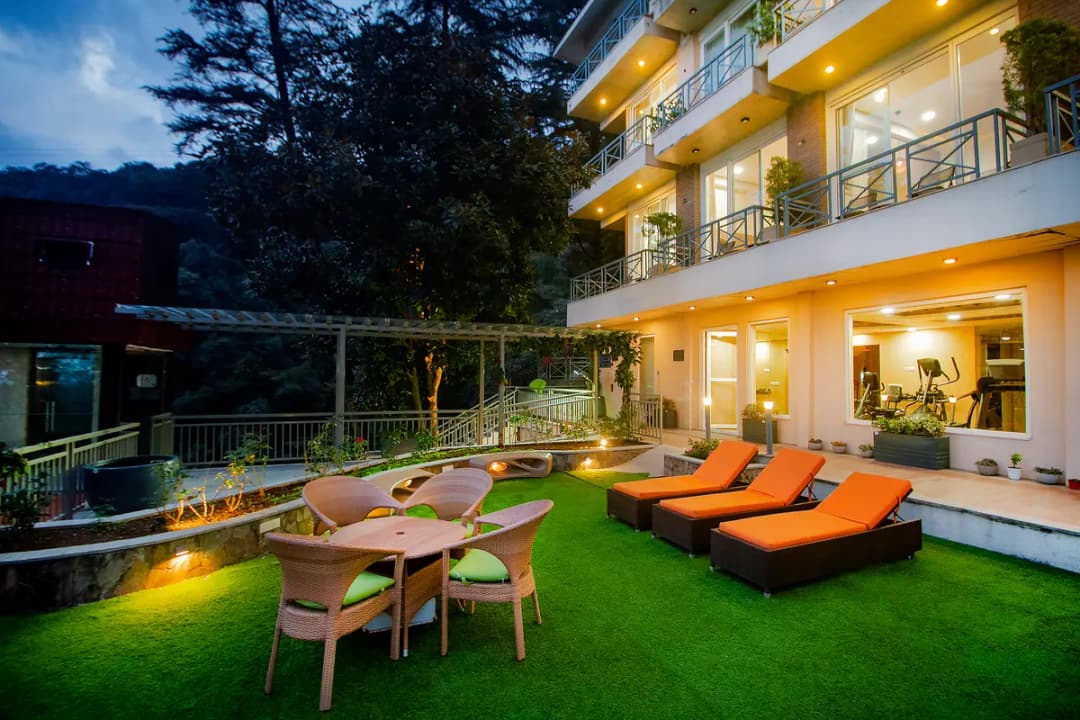
- Heritage Rooms and Royal Suites with terrace
- Outdoor swimming pool
- Manicured lawns
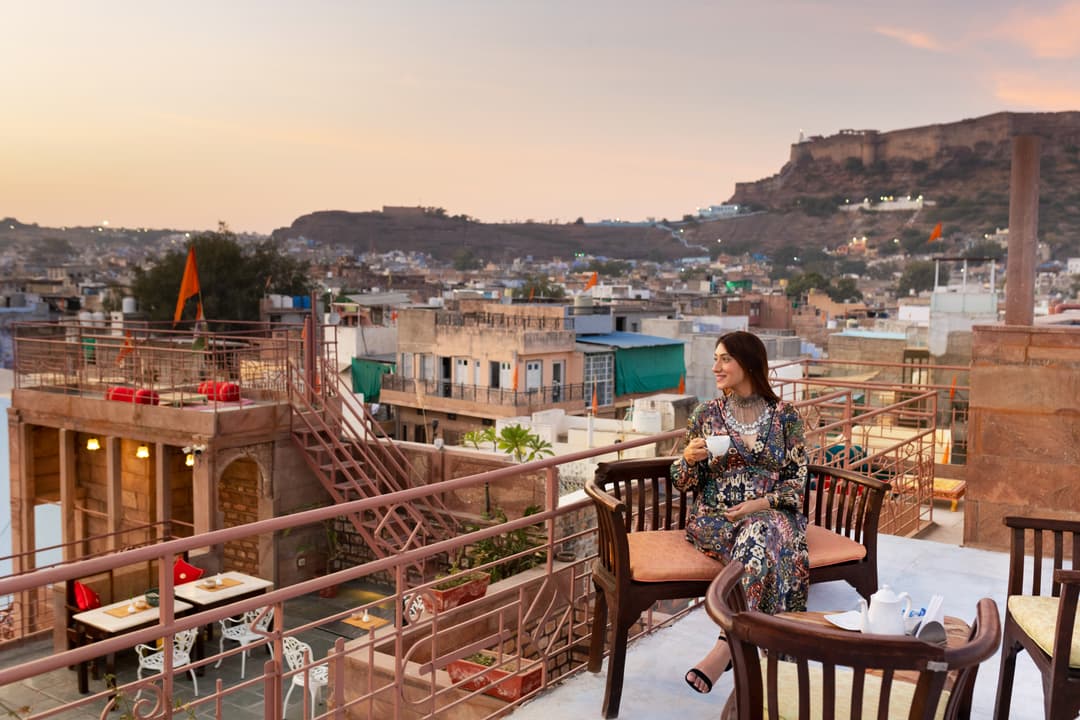
- Outdoor dining
- Traditional evening entertainment
The restaurant, Peharsi Andaaz, runs Indian, regional, and continental. Rajasthani preparations done properly. Breakfast earns its own mention in most guest reviews, consistently. The food is the part people bring up first when they describe the stay.
For places in Bharatpur for nature lovers who want the birding day to begin and end somewhere with actual character, old-world haveli architecture, village setting, pool and lawns for the evening hours, this is the answer. The property itself flags August through November for resident birds, October through March for migratory species. Village walk runs complimentary on fixed timings. Camel cart and tractor rides available. Chess, carrom, cricket, badminton, water ball in the pool for the hours between drives.
The Short Answer
Keoladeo is the centrepiece. Earns the reputation. The wetlands east of it, the Banas corridor, the Deeg gardens, the Fatehpur Sikri walls, these are the best bird watching places in Bharatpur that the park-only visitor drives home without seeing.
October through March is the window. A local guide on the first morning matters more than anything else you can prepare. The bird that makes the trip is almost always the one nobody told you to look for.
FAQs
1. Why is Amritara Chandra Mahal Haveli a good stay option for bird watchers visiting Bharatpur?
Amritara Chandra Mahal Haveli offers a peaceful village setting near Keoladeo National Park, making it an ideal base for birding enthusiasts. Guests can enjoy heritage-style accommodations, traditional experiences, and easy access to Bharatpur's top bird-watching spots.
2. What facilities can guests expect at Amritara Chandra Mahal Haveli, Bharatpur?
The property features Heritage Rooms and Royal Suites, an outdoor swimming pool, manicured lawns, outdoor dining spaces, traditional evening entertainment, and recreational activities such as camel cart rides, village walks, badminton, and chess.
3. What are the Best Bird Watching Places in Bharatpur besides Keoladeo National Park?
Apart from Keoladeo National Park, some of the Best Bird Watching Places in Bharatpur include the Aghapur wetlands, Lohagarh Fort surroundings, the Banas River corridor near Rupbas, and the gardens of Deeg Palace.
4. When is the best time to visit the Best Bird Watching Places in Bharatpur?
The ideal time is from October to March, when migratory birds arrive from Central Asia. August to November is also excellent for observing nesting colonies of painted storks, herons, and other resident species.
5. Why is Bharatpur considered one of India's top destinations for nature lovers?
Bharatpur combines world-class birding opportunities with wetlands, heritage sites, riverside habitats, and scenic countryside, making it a rewarding destination for bird watchers, wildlife photographers, and nature enthusiasts alike.