Blog Detail
Triund Trek Guide: Route, Distance, Best Time & What to Expect from McLeodganj

Triund Trek Guide: Route, Distance, Best Time & What to Expect from McLeodganj
Every second person in McLeodganj is either planning the Triund trek, returning from it, or trying to convince someone else to go. This is not coincidence. The trail does something that most easy Himalayan treks do not: it earns its views. The forest is dense enough that the ridge feels like a genuine arrival, not just a viewpoint at the end of a road. And the Dhauladhar range, once you clear the tree line, is immediately in front of you at a distance that makes it feel personal rather than panoramic.
This guide covers everything needed to do the trek well — starting point, route, difficulty, what season to go, and what most people get wrong.
The trek in numbers
Distance: 9 to 10 km one way from Gallu Devi Temple (the standard starting point). Some routes starting from Dharamkot or McLeodganj itself add 1 to 2 km.
Elevation gain: Approximately 1,000 metres — from Gallu Devi Temple at around 1,860 metres to Triund ridge at 2,850 metres.
Time: 4 to 5 hours up for an average-paced walker. 3 hours down.
Difficulty: Easy to moderate. No technical sections, no altitude risk. The last 1 km before the ridge is steep but short. Fit beginners with reasonable footwear can complete it.
Getting to the starting point
The trek begins at Gallu Devi Temple, above Dharamkot village. From McLeodganj main market, Dharamkot is a 20-minute walk uphill or a 5-minute auto-rickshaw ride. From Dharamkot, a further 20-minute walk brings you to Gallu Devi Temple and the forest gate where the trail officially starts.
Most visitors take an auto from McLeodganj to Dharamkot and walk from there. Starting from McLeodganj on foot adds about 3 km but the walk through Dharamkot village in the morning — cafes opening, the Dhauladhar peaks visible ahead — is worthwhile if time allows.
The route: what you pass through
Gallu Devi Temple to Magic View Cafe — first 3 km
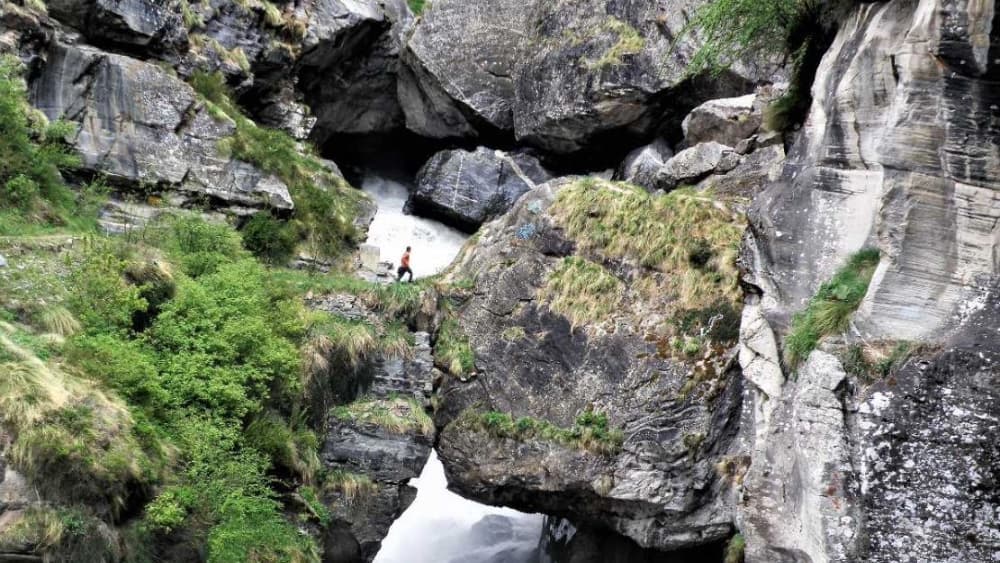
The trail enters dense oak and rhododendron forest immediately. The path is well-defined, marked with painted rocks at junctions. This section is the most sheltered — cool even in summer, completely shaded. The gradient is moderate and consistent.
Magic View Cafe is a tea-stall checkpoint roughly halfway up, situated on a cleared patch with the first open views south toward the Kangra Valley. Chai, Maggi, and water are available. This is the standard rest point.
Magic View Cafe to Triund ridge — final 4 to 5 km
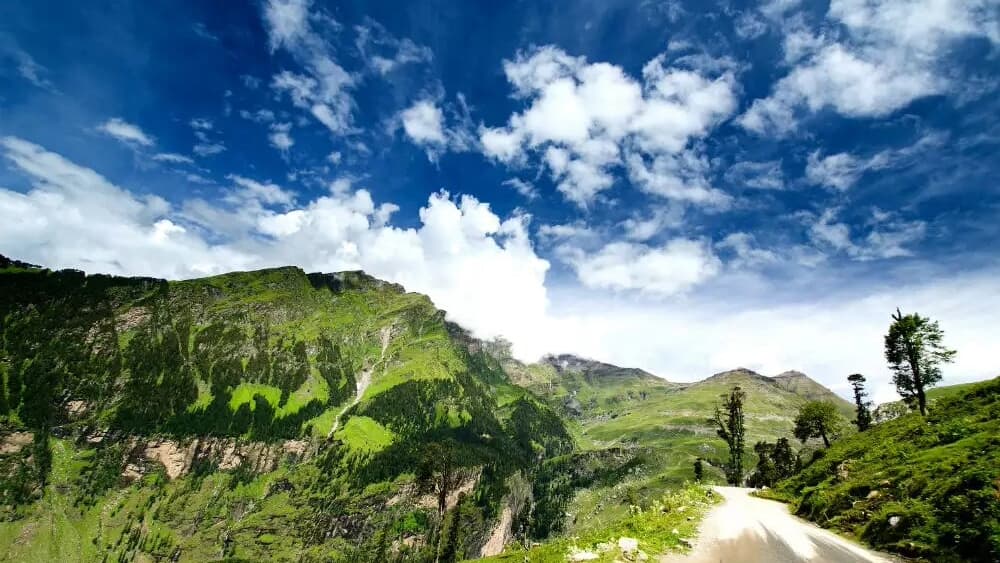
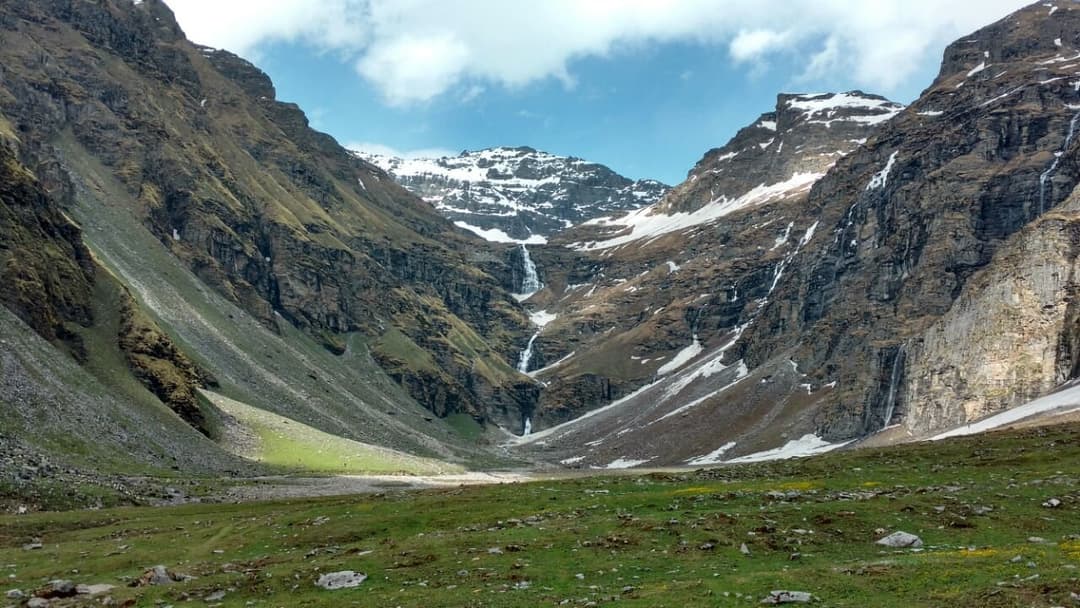
The trail steepens after the cafe. The tree cover thins progressively. At around 2,600 metres the forest gives way and the Dhauladhar peaks — Lahesh, Mun Peak, Indrahar — appear ahead and above. This transition is the moment the trek justifies itself.
The final kilometre is the steepest section, with loose rock on some sections. Take it slowly. The ridge appears suddenly rather than gradually, which is part of what makes the arrival satisfying.
The view from Triund
The Triund ridge faces north-west toward the main Dhauladhar wall. The scale at close range is different from any viewpoint accessible by road — the face of the mountain is directly in front, not at a comfortable distance. On clear days (October, November, March, April) the snowline is visible at eye level.
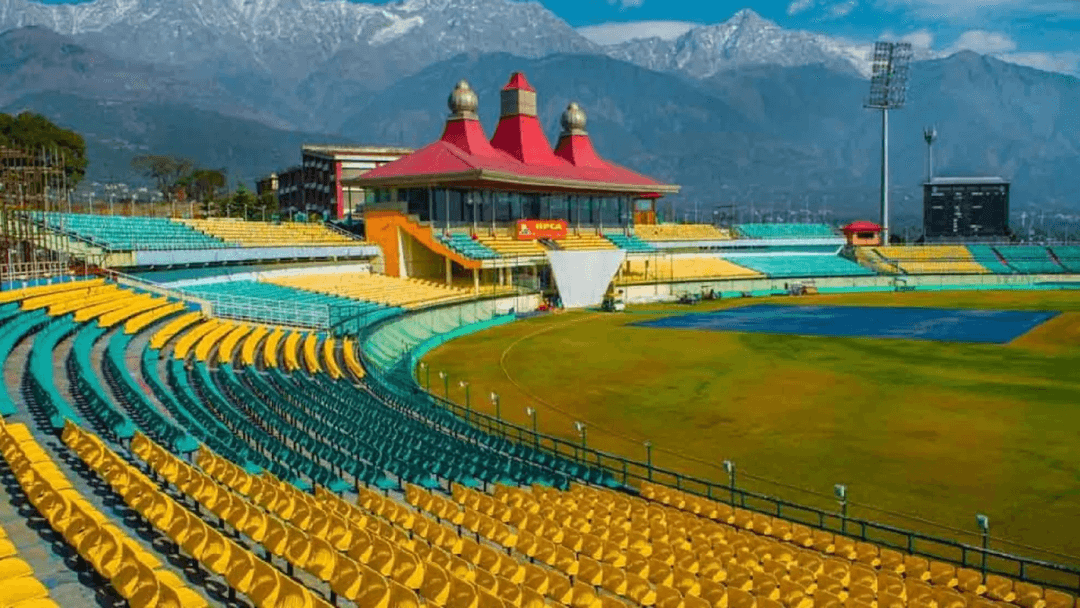
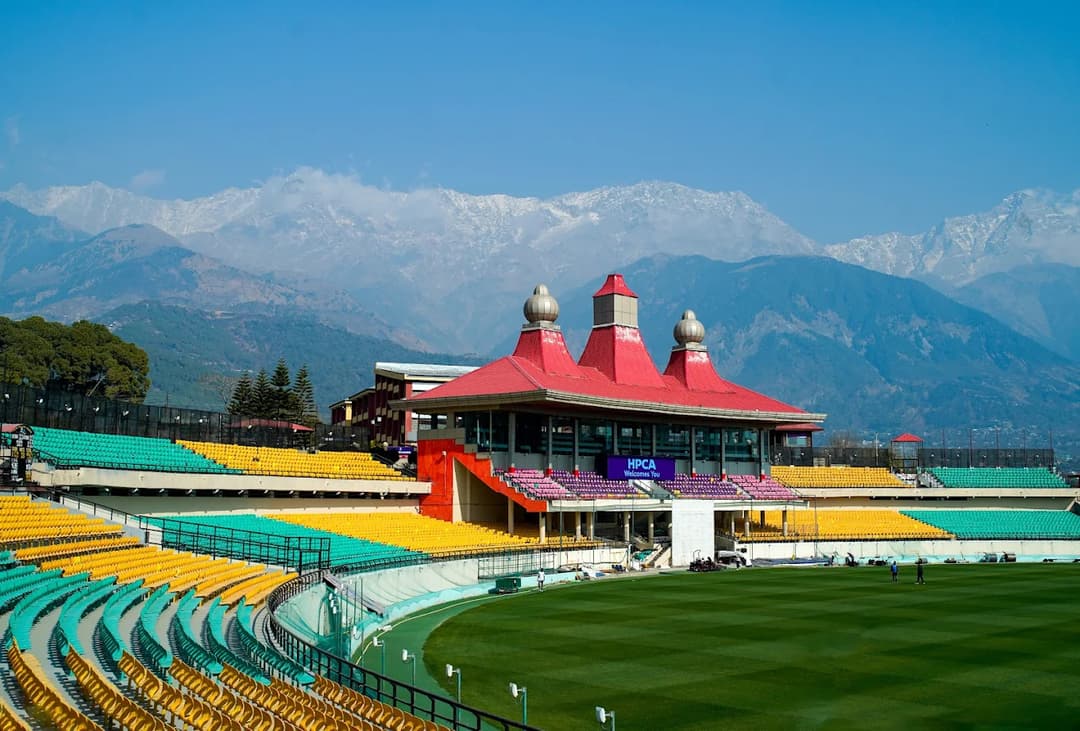
South and east, the Kangra Valley spreads out below Dharamshala. The cricket stadium at Dharamshala — the HPCA ground — is visible from the ridge on clear days, a useful perspective check on how high you have come.
Best time for the Triund trek
March to June: The primary season. Rhododendrons flower in March and April. Temperatures are comfortable — 15 to 25°C during the day, cool evenings. Clear views before the summer haze builds.
September to November: Post-monsoon is arguably the best window. The forest is deeply green, the air is clear after the rains, and the Dhauladhar has fresh snow from September onward. October and November are the clearest months for the mountain view.
July to August: Monsoon brings heavy rain and slippery trails. The Dhauladhar frequently disappears into cloud. Not recommended for a first visit.
December to February: Snow on the upper section makes the final kilometre difficult without proper winter equipment. Experienced trekkers with microspikes can still do it. The snowfield on the ridge in clear winter conditions is extraordinary.
Day trek or overnight — what to choose
Triund can be done as a day trek — start by 7 am from McLeodganj, reach the top by 11 am to noon, descend by 3 pm. This is the most common format.
Camping at Triund was a popular option until 2025, when the Himachal Pradesh government restricted overnight camping on the ridge due to environmental damage from the volume of visitors. As of 2026, overnight stays are permitted only at registered guesthouses and fixed campsites — confirm current regulations with your hotel or a local trekking operator before planning an overnight.
What to carry
Water: Minimum 2 litres from McLeodganj. Refill at Magic View Cafe if needed. No water sources on the upper section.
Footwear: Trekking shoes or sturdy sports shoes with grip. Sandals or flat-soled shoes are inadequate on the rocky upper section.
Layers: The ridge is 10 to 15 degrees cooler than McLeodganj. A light jacket and windproof layer are essential regardless of the season.
Snacks and cash: Magic View Cafe and the tea stalls on the ridge are cash-only. Carry Rs 500 minimum for snacks, chai, and the forest entry fee (Rs 50 per person as of 2026).
Sun protection: The upper section above the tree line has no shade. Sunscreen, sunglasses, and a cap are necessary from April through October.
Common mistakes
Starting too late. The afternoon on the ridge is frequently cloudy — if you want clear mountain views, reach the top before noon. Starting after 10 am means arriving in cloud.
Underestimating the final section. The last kilometre is steep and tiring after the gradual lower trail. Pace yourself on the approach so you have energy for the final push.
Not carrying enough water. There are no natural water sources on the upper section above Magic View Cafe. Running out of water with 3 km still to climb is a genuine problem.
Where to stay: Amritara Surya, McLeodganj
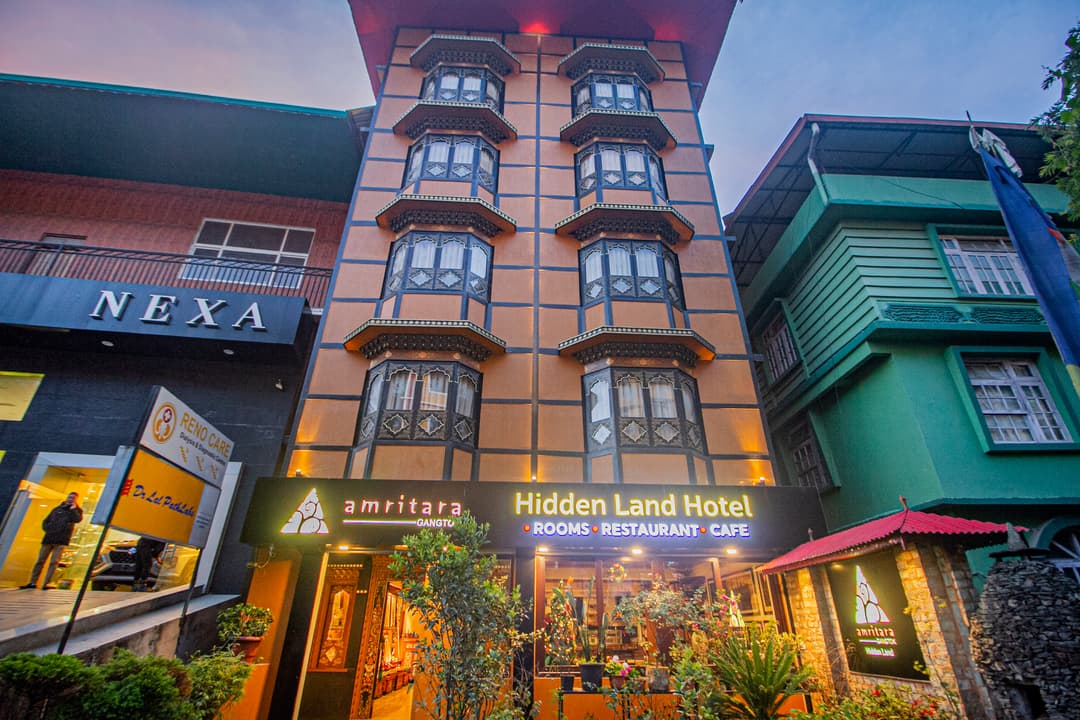
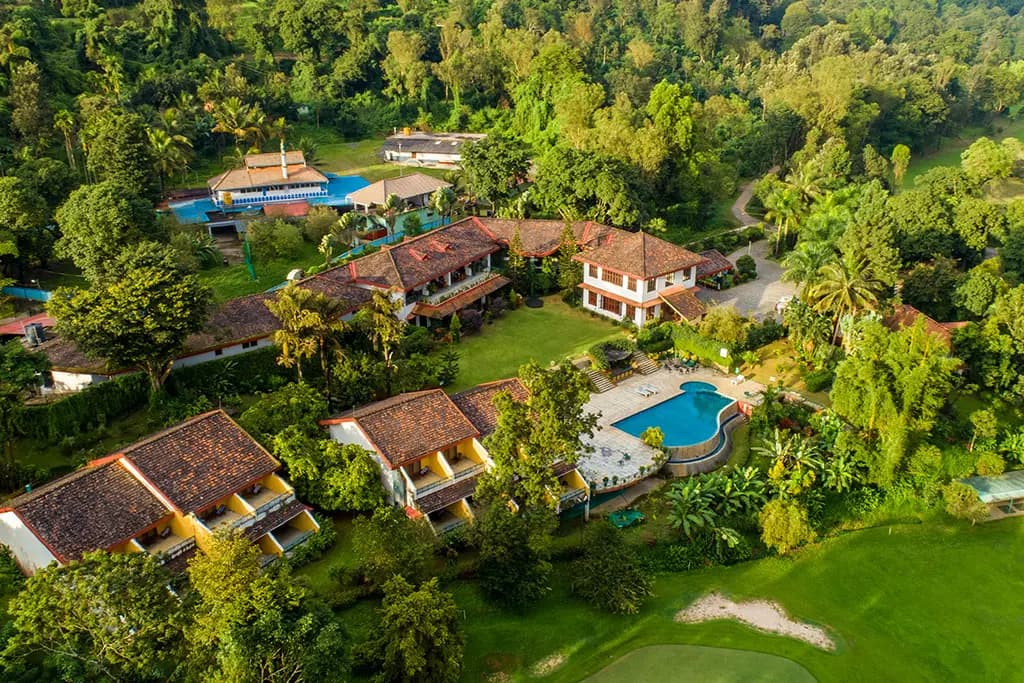
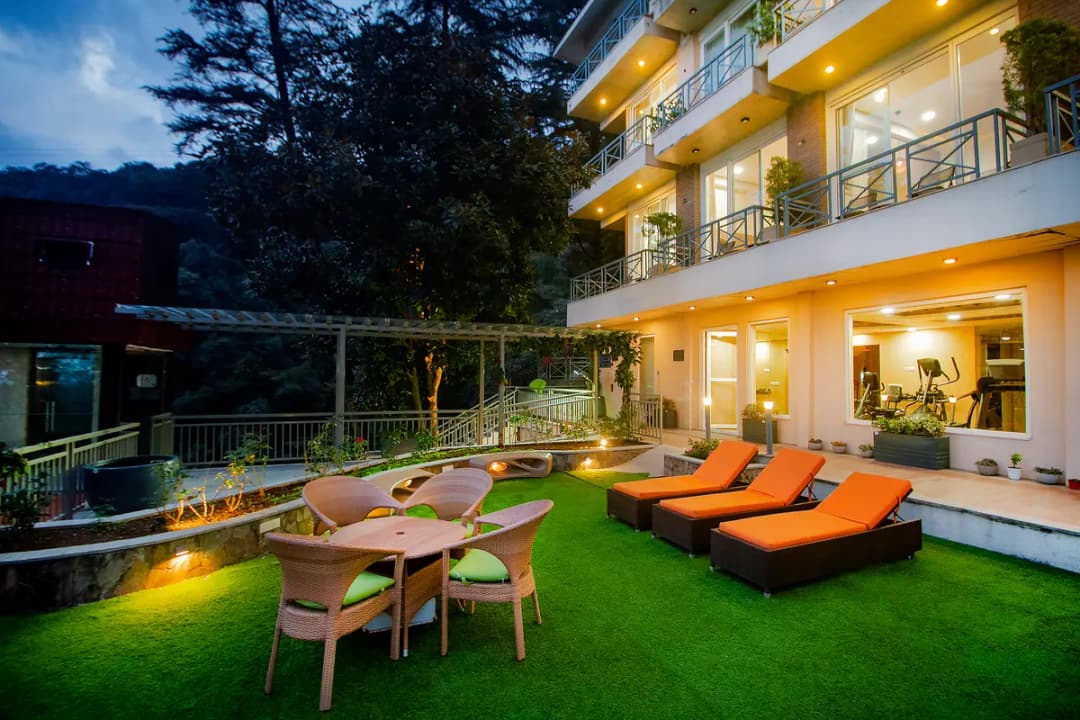
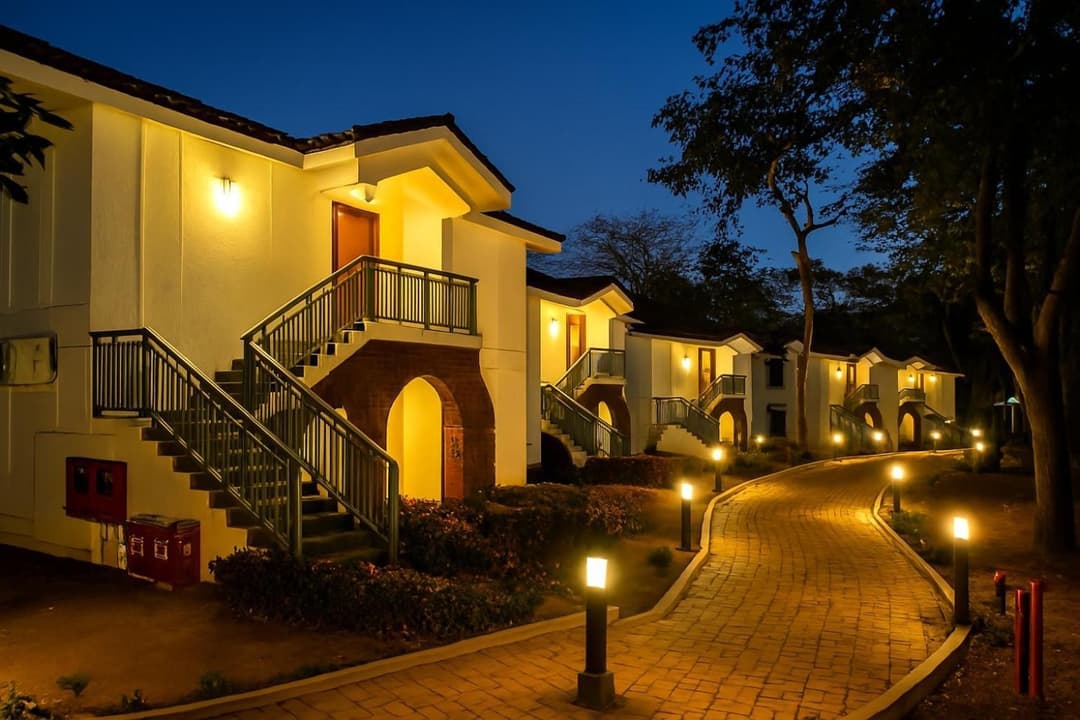
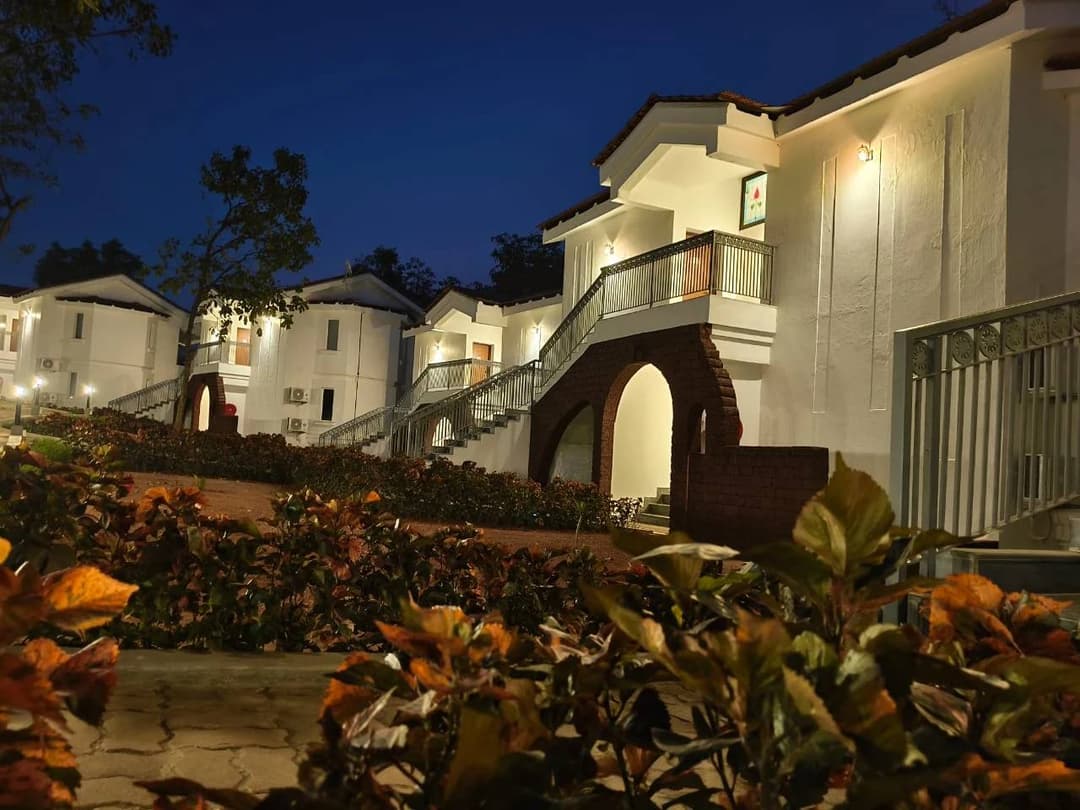
Amritara Surya is the oldest 4-star property in McLeodganj, located on Club House Street near the Dalai Lama Temple. The starting point for the Triund trek — Dharamkot, from where you walk to Gallu Devi Temple — is a 25-minute walk or 5-minute auto-rickshaw ride from the property.
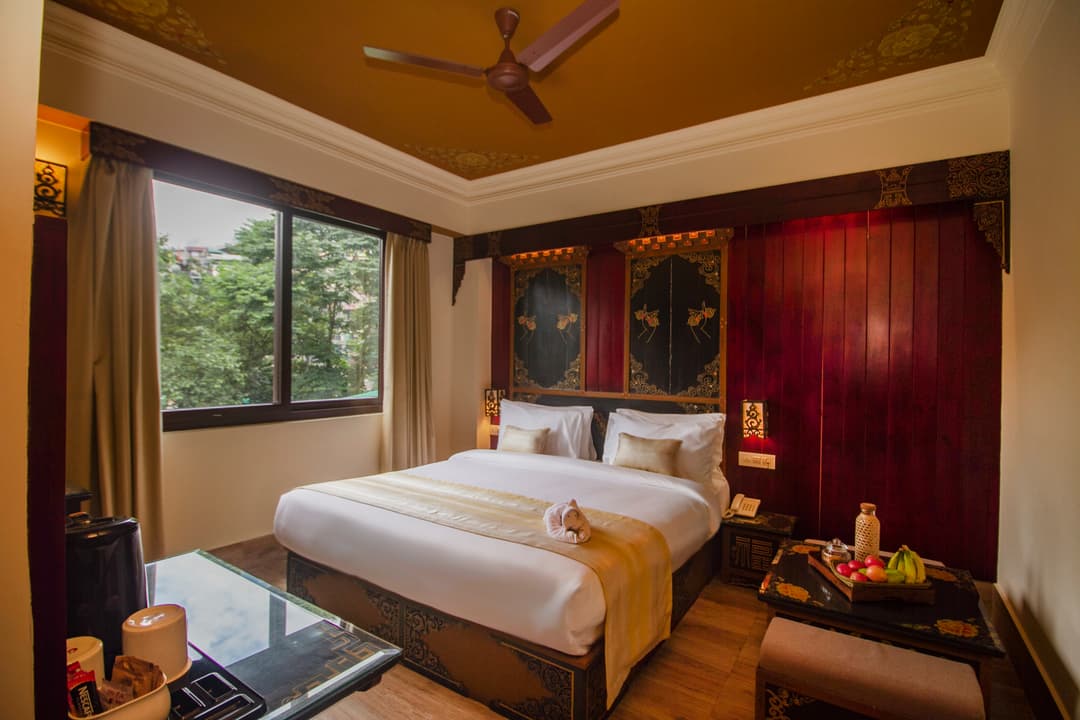
The hotel's 50 rooms include Club Rooms and Suites with views of Mall Road, the Tibetan Flea Market, and the valley. The All-Day Dining Coffee Shop runs throughout the day. A 4 am departure for the early morning Prakash at the Dalai Lama Temple, followed by breakfast, followed by the Triund trek — this is the McLeodganj day that the destination is built for, and Amritara Surya is 10 minutes from all three.
Book Amritara Surya, McLeodganj
Dalai Lama Temple road — book at amritara.co.in
Frequently asked questions
How difficult is the Triund trek?
Easy to moderate. No technical sections or altitude risk. The last kilometre before the ridge is steep but manageable for reasonably fit walkers with proper footwear. Total distance is 9 to 10 km one way with 1,000 metres of elevation gain.
How long does the Triund trek take?
4 to 5 hours up from Gallu Devi Temple for an average-paced walker. 3 hours down. As a day trek, plan to start by 7 am from McLeodganj to reach the top before noon when views are clearest.
Do I need a permit for the Triund trek?
A forest entry fee of approximately Rs 50 per person is collected at the gate near Gallu Devi Temple. No separate trekking permit is required for Triund itself. For camping and overnight stays, regulations have changed — confirm current rules with a local trekking operator.
What is the best month for the Triund trek?
October and November for the clearest mountain views and fresh snowfall on the Dhauladhar. March to May for rhododendron flowers and comfortable temperatures. Avoid July and August due to monsoon rain and slippery trails.
Is the Triund trek suitable for beginners?
Yes. It is one of India's best beginner Himalayan treks precisely because the reward is proportional to the effort and the trail is well-defined throughout. Carry 2 litres of water, wear proper shoes, and start early.