Blog Detail
Where the Ganga Meets the Gomti: The Confluence at Kaithi

Where the Ganga Meets the Gomti: The Confluence at Kaithi
Table of Contents
- Two Rivers, One Meeting Point: Why Kaithi Is Different
- The Spiritual Significance of the Ganga Gomti Sangam
- What Happens at the Confluence
- The Confluence at Kaithi and Its Connection to Varanasi
- Why to Stay Near the Ganga-Gomti Sangam
- Amritara, The Samagam
- FAQs
Two Rivers, One Meeting Point: Why Kaithi Is Different
India counts its confluences. The Triveni Sangam at Prayagraj gets the most attention: three rivers, the largest Kumbh Mela on earth, and the mythology of the invisible Saraswati joining the Ganga and Yamuna beneath the surface. But the Ganga Gomti Sangam at Kaithi, a few kilometers from Varanasi, carries its own specific spiritual weight and a fraction of the crowd. Two rivers meeting is always a significant moment in the Hindu geographical imagination, water converging, energies combining, a place where the sacred becomes more concentrated than it is a few kilometers in either direction. Kaithi is that place for the Gomti.
The Spiritual Significance of the Ganga Gomti Sangam
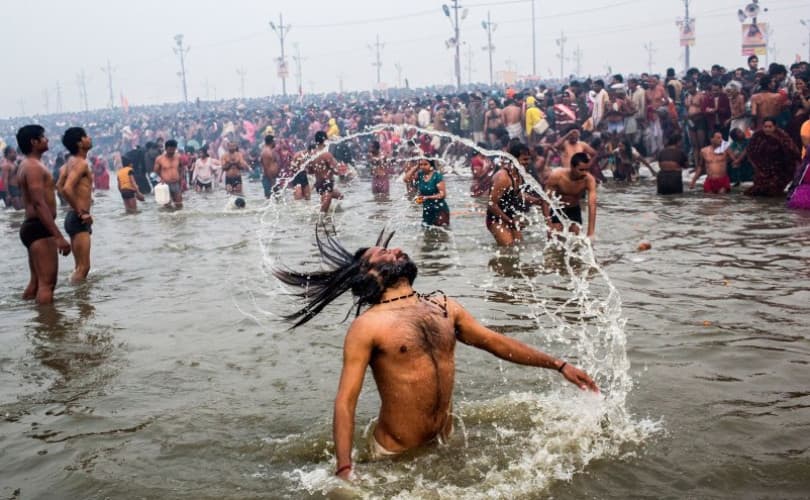
The Gomti River runs from the Gola Gokarannath in Uttar Pradesh across Lucknow and through the Ganga plains before meeting the Ganga at Kaithi. By the time it arrives at the confluence, it has passed through some of the most historically and spiritually significant geography in UP. The meeting of the two rivers, the ganga gomti sangam, is considered an especially auspicious bathing point in the Hindu tradition. The belief is that bathing here during specific tithis and festivals carries the accumulated merit of bathing at multiple sacred sites simultaneously.
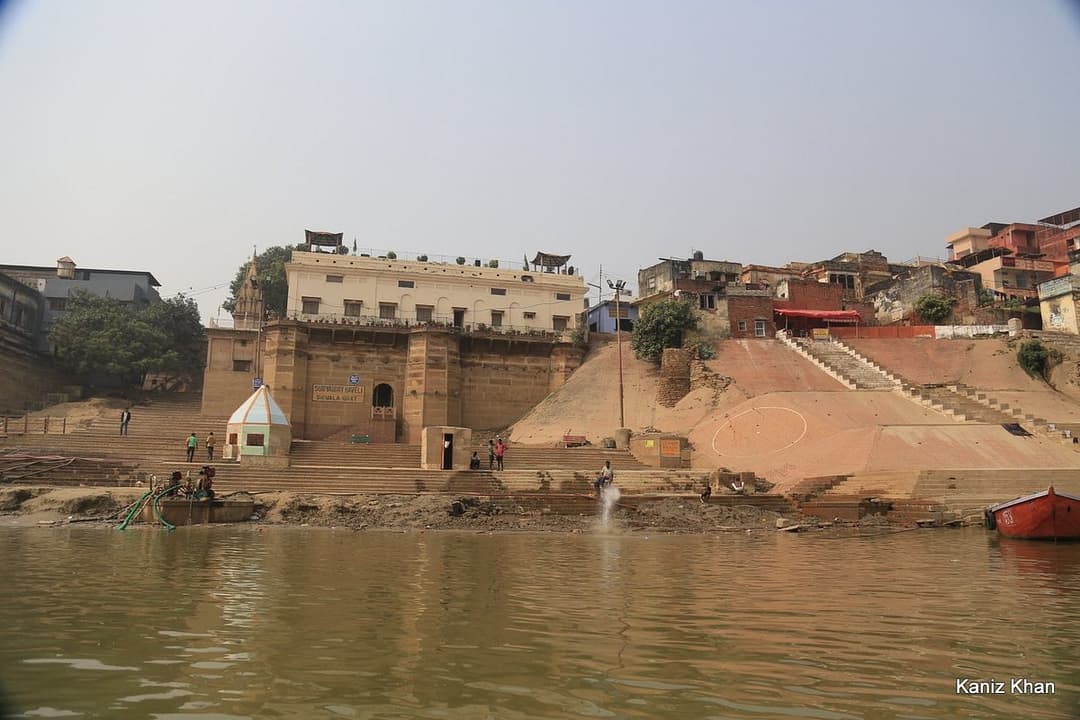
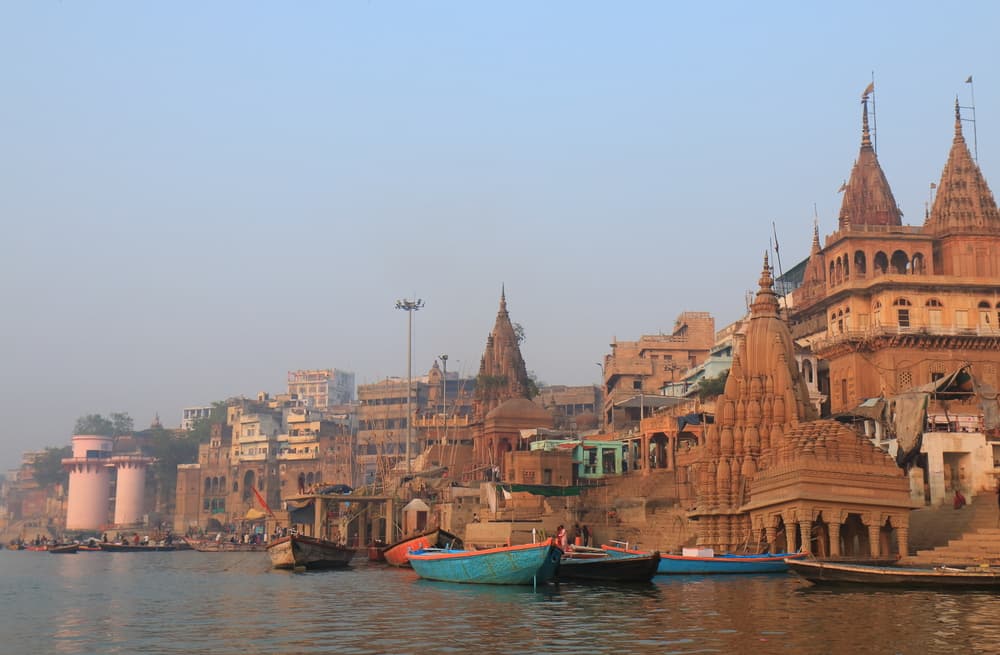
The location, sitting upstream from the main Varanasi ghat complex, gives the sangam a quality that the city's famous ghats don't always offer, the sense of being at a natural meeting of waters rather than a constructed spiritual infrastructure. The ganga gomti sangam at Kaithi is a pilgrimage site that exists because of what the rivers do here, not because of what was built.
What Happens at the Confluence
The daily rhythm at the ganga gomti sangam follows the river rather than the city. The early morning bathing before sunrise, the priests performing the rituals at the confluence point, and the specific quiet of a sacred site that hasn't yet developed the tourist infrastructure of the main Varanasi ghats. The pilgrims who come here tend to come with specific intention, for the bathing, for the pind daan for ancestors, and for the amavasya rituals that the confluence point is particularly associated with.
The confluence at Kaithi sees its highest attendance during Kartik Purnima, the full moon of the Kartik month, and during the amavasya dates through the year. These are the specific windows when the sangam's spiritual significance is most actively observed.
The confluence at Kaithi also attracts those coming for the Markandey Mahadev Temple nearby, the ancient Shiva temple on the Ganga bank where, according to Hindu mythology, the young sage Markandeya defeated death through devotion to Shiva. The combination of the temple and the sangam in the same geography makes this stretch of the Ganga one of the more layered pilgrimage zones in the Varanasi region.
The Ganga Gomti Sangam and Its Connection to Varanasi
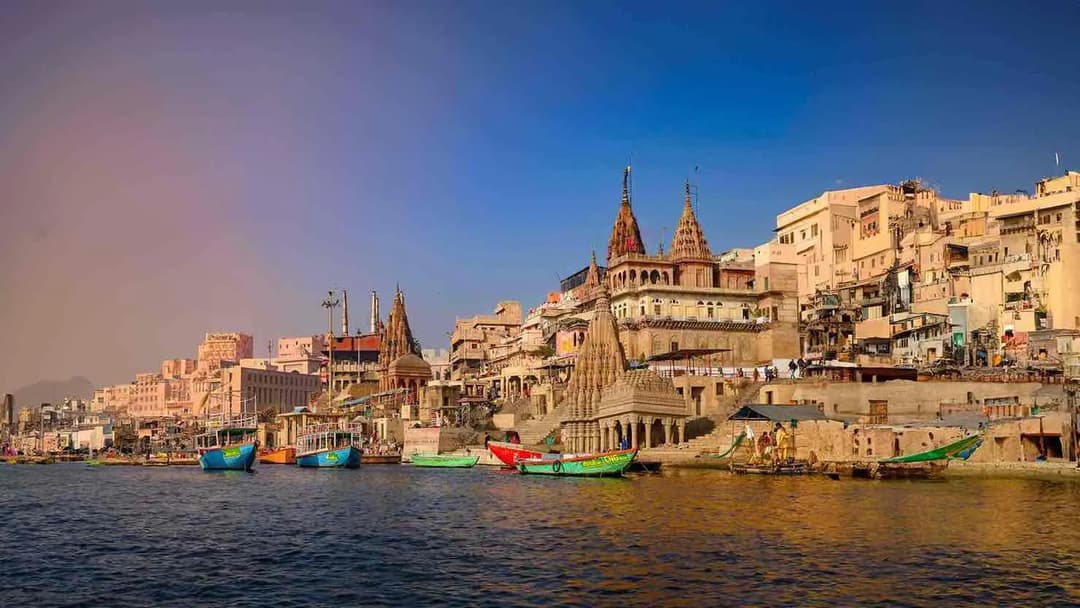
Varanasi's sacred geography doesn't stop at the city limits. The Panch Koshi Yatra, the 84-kilometer circumambulation of Varanasi that pilgrims complete over five days, passes through the surrounding sacred landscape, including the river corridors on both sides of the city. The ganga gomti sangam at Kaithi sits within this broader sacred zone, connected to the Varanasi pilgrimage tradition rather than separate from it.
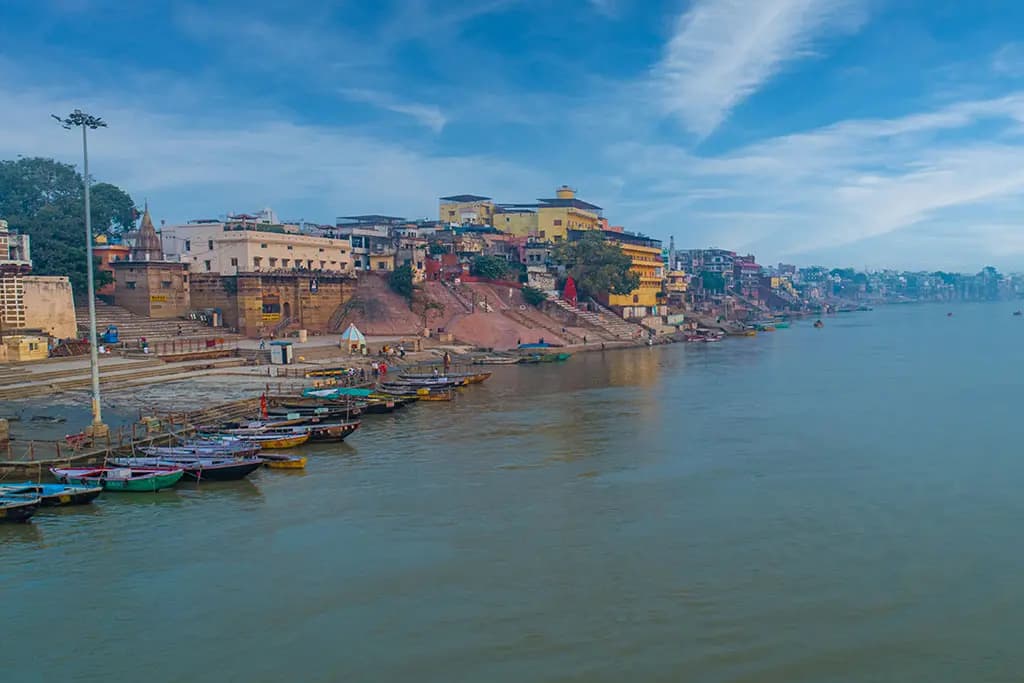
For the visitor spending several days in Varanasi, the sangam visit is a natural extension of the ghat circuit, a morning on the Ganga at Kaithi as a counterpoint to the intense urban spirituality of Dashashwamedh and Manikarnika. The same river, the same tradition, a completely different atmosphere.
Why Stay Near the Ganga-Gomti Sangam
Stays near the Ganga Gomti Sangam that puts you on the river rather than driving away from it changes what the early morning means. The pilgrim who wants the sunrise bathing at the sangam needs to be at the water before the day starts, not commuting toward it. The traveller whose Varanasi visit is built around the river, the ghats, the Sangam, and the riverside rituals needs accommodation that understands this rather than accommodation that happens to be near a famous temple.
Why Stay Near the Ganga-Gomti Sangam
Staying near the Ganga Gomti Sangam that puts you on the river rather than driving away from it changes what the early morning means. The pilgrim who wants the sunrise bathing at the sangam needs to be at the water before the day starts, not commuting toward it. The traveller whose Varanasi visit is built around the river, the ghats, the Sangam, and the riverside rituals needs accommodation that understands this rather than accommodation that happens to be near a famous temple.
Amritara, The Samagam, Varanasi
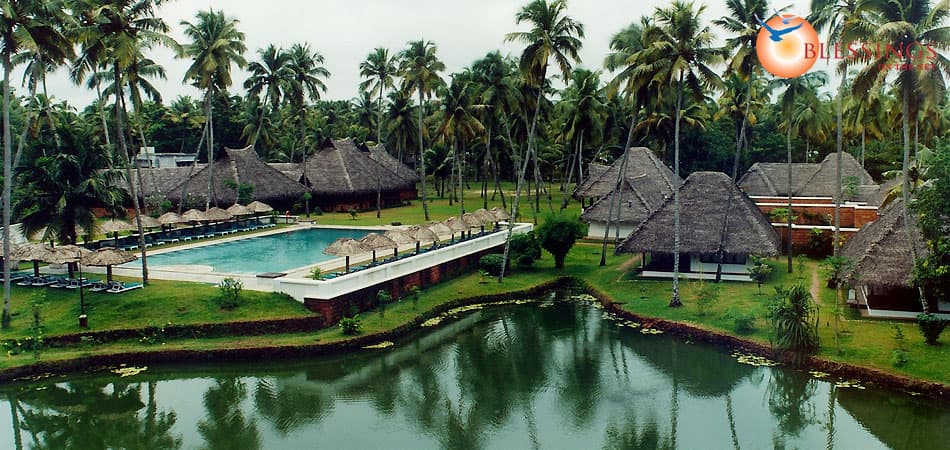
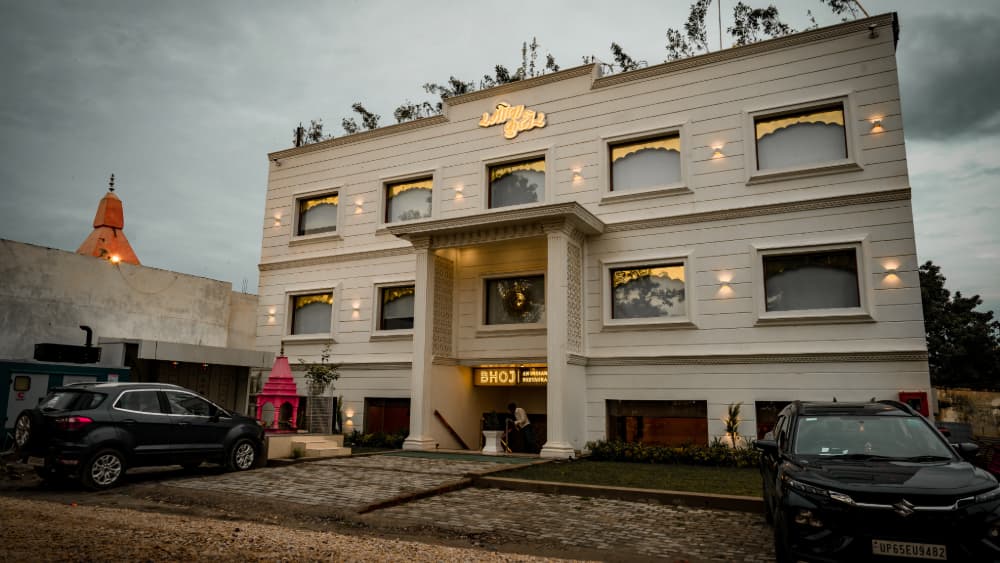
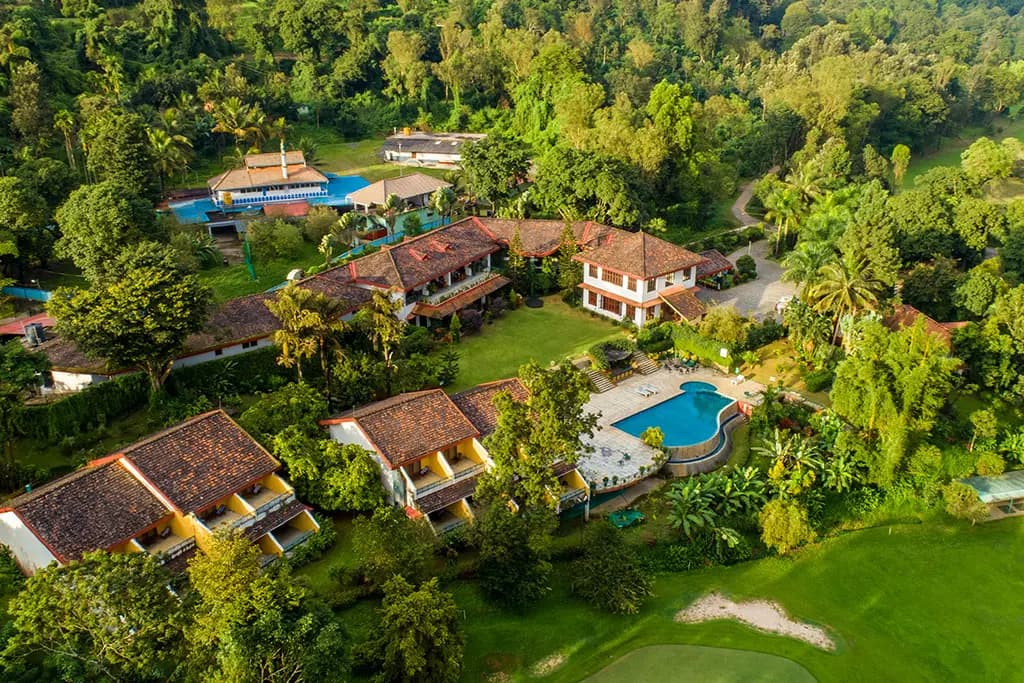
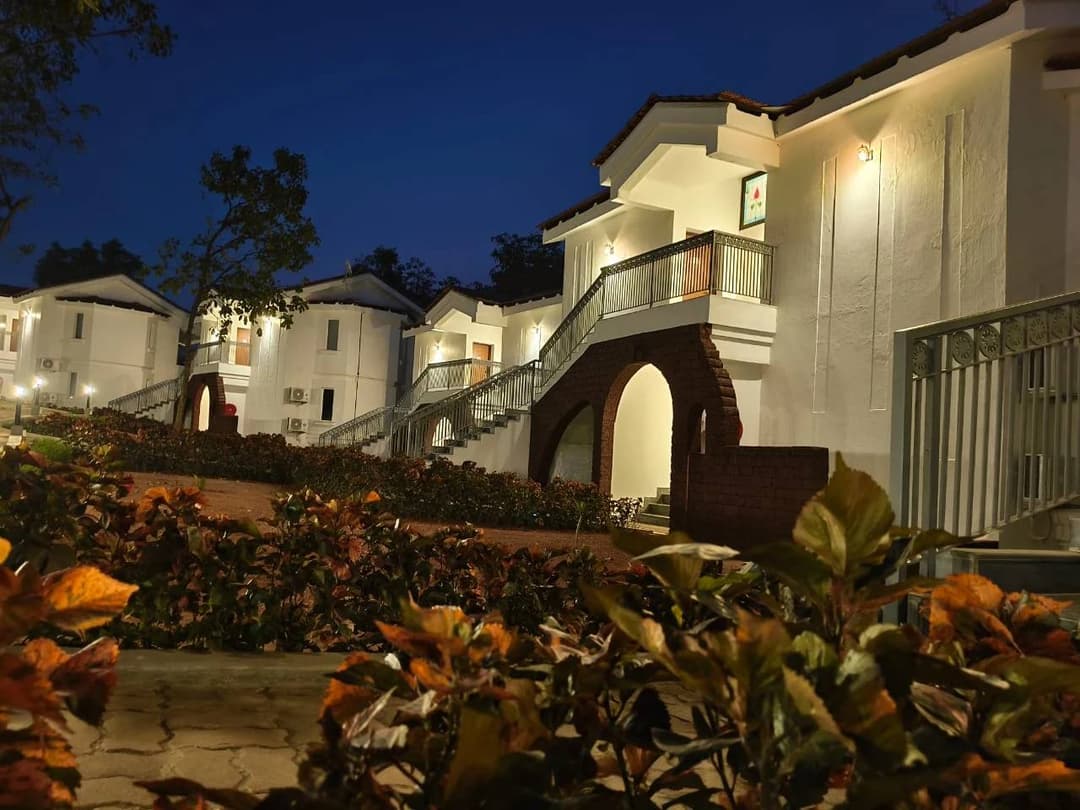
For stays near the Ganga Gomti Sangam that treat the river as the foundation of the experience, Amritara The Samagam is genuinely exciting. The new riverside retreat in Varanasi is positioned where the Ganga and the Gomti's combined sacred geography reach into the city. River views, yoga and wellness sessions, Banarasi cuisine, and the pilgrimage circuit accessible from a base that sits on the water rather than near it. For the visit to the confluence at Kaithi, the Markandey Mahadev Temple, and the main Varanasi ghats, the Samagam is where the rivers and the retreat find the same address.
The Samagam, Varanasi
For stays near the Ganga Gomti Sangam that treat the river as the foundation of the experience, Amritara The Samagam is genuinely exciting. The new riverside retreat in Varanasi is positioned where the Ganga and the Gomti's combined sacred geography reach into the city. River views, yoga and wellness sessions, Banarasi cuisine, and the pilgrimage circuit accessible from a base that sits on the water rather than near it. For the visit to the confluence at Kaithi, the Markandey Mahadev Temple, and the main Varanasi ghats, the Samagam is where the rivers and the retreat find the same address.
FAQs
1. Where does the Gomti meet the Ganga?
The Gomti meets the Ganga at Kaithi, a few kilometers upstream from the main Varanasi ghat complex. The confluence, the ganga gomti sangam, is considered a significant pilgrimage point and is associated with the Markandey Mahadev Temple in the same stretch of the river.
2. Which hotel is near Markandey Mahadev Temple in Varanasi?
Amritara The Samagam is a riverside retreat in Varanasi positioned near the Ganga in the stretch that includes the Markandey Mahadev Temple and the Kaithi Sangam. The property puts pilgrims close to the temple and the river without the logistics of commuting from the main city.
3. How far is Manikarnika Ghat from Kashi Vishwanath Temple?
Manikarnika Ghat and the Kashi Vishwanath Temple are both in the heart of old Varanasi and within walking distance of each other, roughly 10 to 15 minutes on foot through the galis, depending on the specific entrance you use. Both are accessible from the Dashashwamedh Ghat area.
4. How to get a quick darshan in Varanasi?
The quickest darshan at Kashi Vishwanath is through the VIP or special darshan queue, which requires a separate ticket but significantly reduces the wait. Go early—before 7am on weekdays is when the queues are shortest. Avoid Mondays, Mahashivratri, and Sawan Mondays when the crowd multiplies. For the other ghats and temples, arriving before sunrise is consistently the most effective strategy across the Varanasi pilgrimage circuit.