Blog Detail
Navratri in Varanasi and the Nava Durga Temple Tour

Navratri in Varanasi and the Nava Durga Temple Tour
Table of Contents
- Why Navratri in Varanasi Is Unlike Anywhere Else in India
- The Nava Durga Temples: What the Tour Actually Covers
- The Nine Nights: What Happens at Each Stage
- The Ganga During Navratri: Why the River Is Part of It
- How to Plan the Nava Durga Temple Tour Properly
- Amritara, The Samagam
Why Navratri in Varanasi Is Unlike Anywhere Else in India
Navratri happens across India. The garba in Gujarat, the Durga Puja pandals in Kolkata, and the Mysore Dasara procession—each city has its specific version of the nine nights dedicated to the goddess. Navratri in Varanasi is different from all of these and not because it's louder or more spectacular. It's different because Varanasi's relationship with the goddess goes back further and runs deeper than most other places can claim.
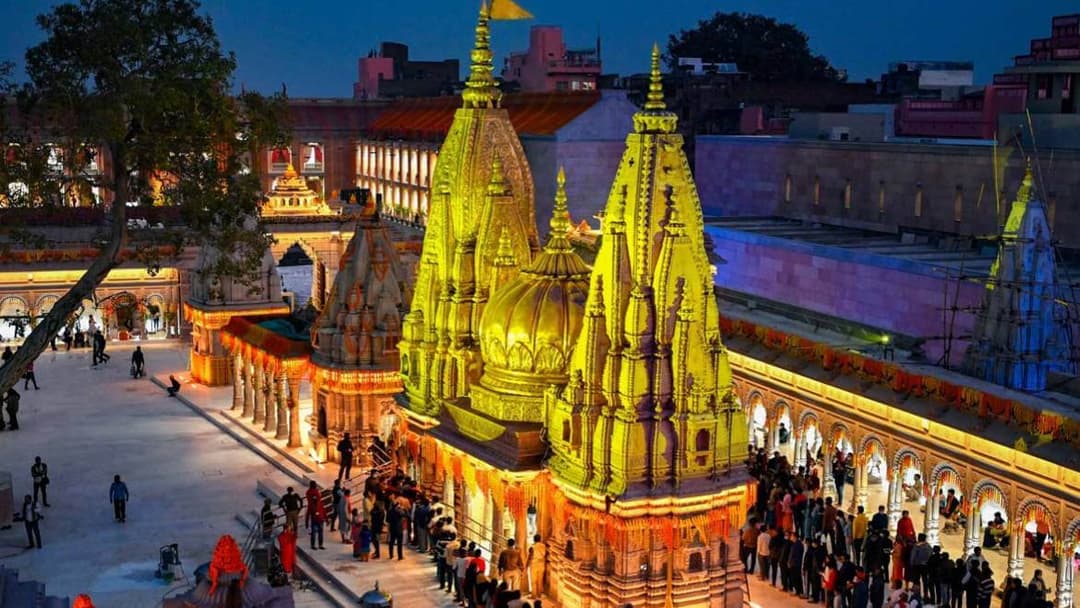
Kashi, the ancient name for Varanasi, is considered one of the Shakti Peethas, the places where the goddess's presence is most potent. The city has nine principal Durga temples, the Nava Durga, each representing a different form of the goddess, each with its own mythology, its own specific ritual calendar, and its own character that the Navratri visit reveals in a way the non-festival visit doesn't. The Nava Durga Temple Tour during Navratri in Varanasi is the pilgrimage within the pilgrimage.
The Nava Durga Temples: What the Tour Actually Covers
The Nava Durga, the nine forms of Durga worshipped in Varanasi, each have a dedicated temple in the city. The Nava Durga Temple Tour takes the devotee through all nine over the nine days of Navratri, with each day corresponding to a specific form of the goddess. This is not a tourist circuit. It's a devotional practice that Varanasi's resident pilgrim community has been observing for centuries.
- Shailaputri: The first form, worshipped on the first day of Navratri. The temple in the old city lanes carries the specific energy that the first day of the festival produces when the city has just pivoted from ordinary time into sacred time.
- Brahmacharini:The second form, associated with austerity and devotion. The temple draws those specifically seeking the goddess in her ascetic aspect.
- Chandraghanta: The third form. The crescent moon on the forehead, the ten arms, and the specific warrior aspect that this form of Durga represents.
The remaining six: Kushmanda, Skandamata, Katyayani, Kalaratri, Mahagauri, and Siddhidatri, each with their temple, their mythology, their specific form, and the particular crowd that Navratri in Banaras draws to each on the corresponding day.
The Nava Durga Temple Tour as a full nine-day circuit is the complete devotional practice. A compressed two or three-day visit that covers multiple temples in a single day gives a different experience, still significant, still specific to Varanasi, but the depth of the nine-day version is its own thing.
The Nine Nights: What Happens at Each Stage
Navratri in Varanasi is not one uniform festival across nine nights. The energy shifts. The first three nights are dedicated to Durga in her warrior aspect; the crowd is intense, the aarti is loud, the city is at the particular fever pitch that religious anticipation produces. Nights four through six move toward Lakshmi, the prosperity aspect, the tone quieter, the devotion more inward. The final three nights are Saraswati's, the goddess of knowledge, the aspect that Varanasi's deep connection to learning and scripture gives special weight.
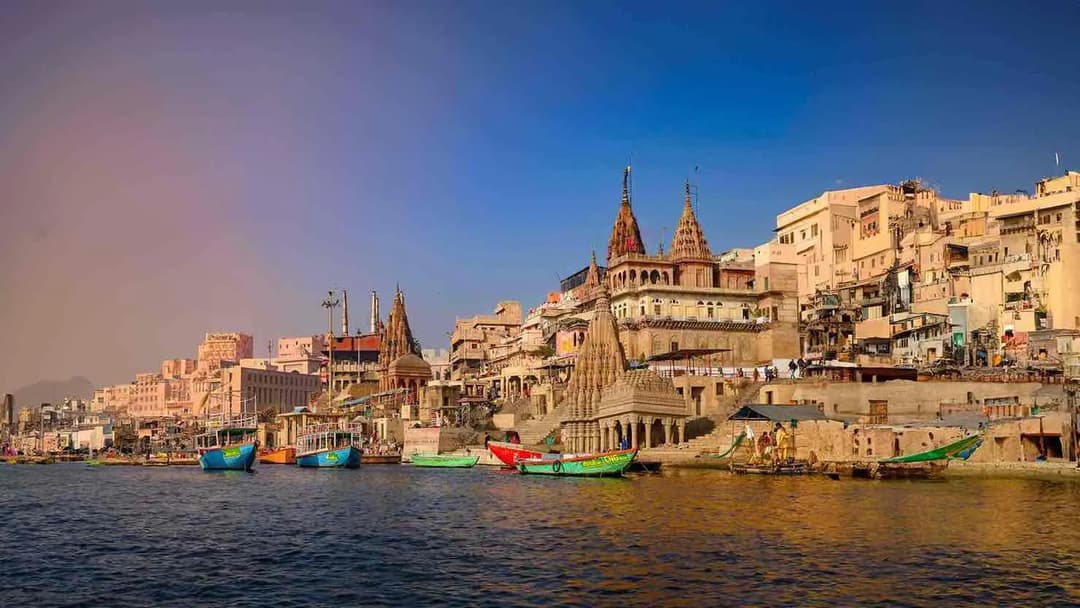
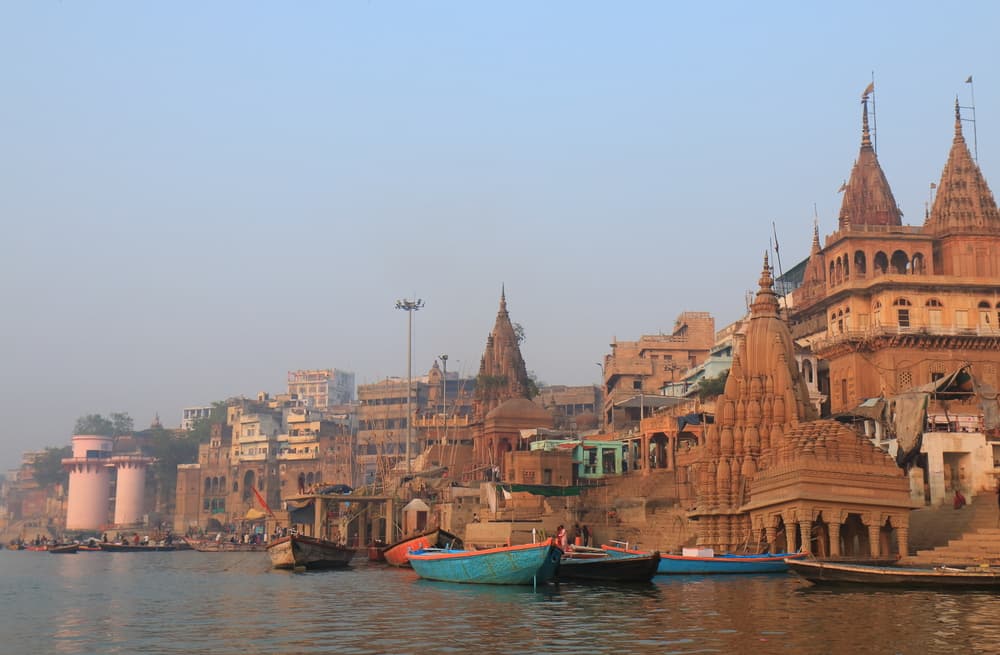
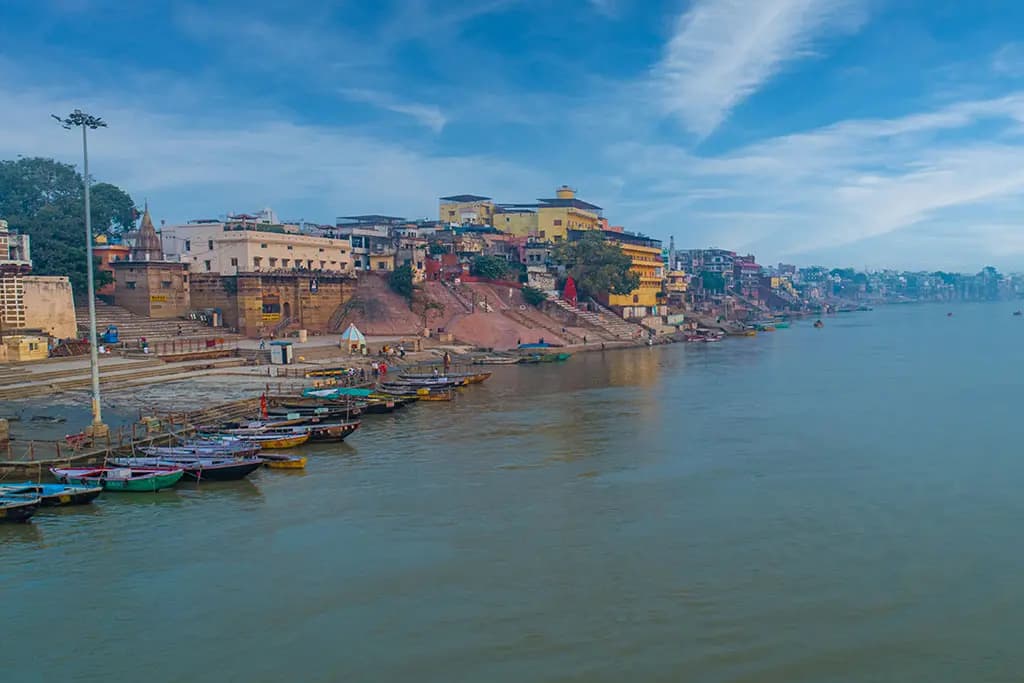
The Ganga aarti at Dashashwamedh Ghat during Navratri in Varanasi takes on additional ceremony. The priests observe the Navratri rituals alongside the regular aarti structure, the fire and the bells and the flowers on the river happening within a larger devotional context that the rest of the year doesn't carry.
The Ram Leela performances that run simultaneously through Navratri across the city are the cultural dimension of the festival, the Ramleela at Ramnagar across the river from Varanasi is the most famous, a month-long production that has been running in the same form for centuries and that the Navratri period overlaps with. The boat across to Ramnagar for the evening performance is the specific Varanasi Navratri experience that the pilgrimage visit rarely includes and that leaves the strongest impression.
The Ganga During Navratri & Why the River Is Part of It
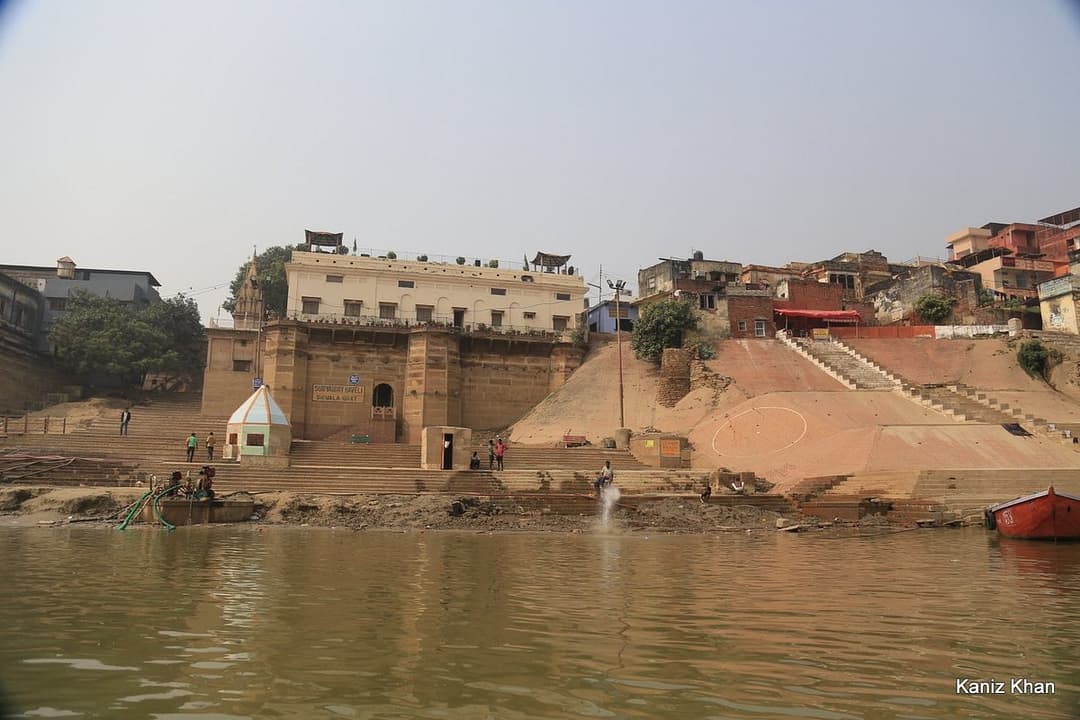
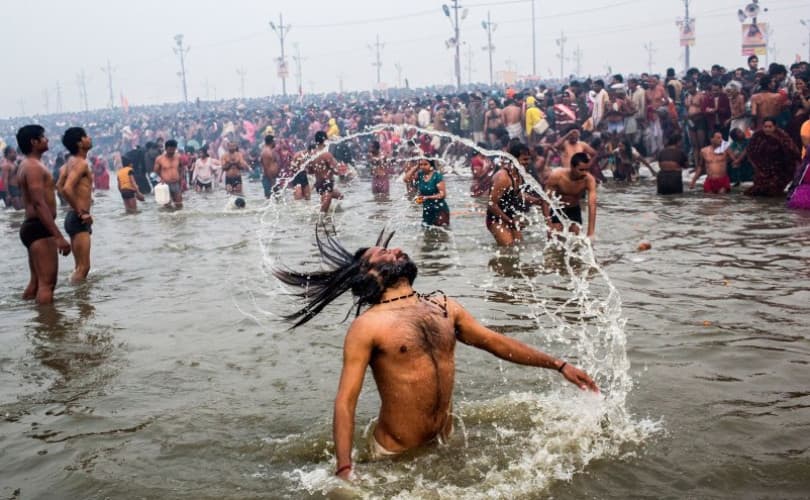
The Ganga at Varanasi during Navratri is never separate from the festival. The ritual bathing in the mornings during these nine nights is considered especially auspicious, the Nava Durga temples are distributed through the city's ghat-adjacent lanes and the circuit between the temples and the river runs naturally. The dawn Snan at the ghat before the temple visit is the specific daily practice that the devoted pilgrim builds the Navratri in Varanasi schedule around.
The Kaithi confluence, where the Gomti meets the Ganga a few kilometres from the main city, carries particular Navratri significance as a sangam with amplified spiritual potency during the festival. The early morning boat from the main ghats to the confluence is the Navratri Varanasi activity that the river-facing property enables naturally.
How to Plan the Nava Durga Temple Tour Properly
Go with a guide for the first visit. The nine temples are distributed through the old city's dense lane network, the galis of Varanasi that are navigable by someone who knows them and genuinely disorienting for someone who doesn't. A guide who knows the Navratri-specific timing of each temple's aarti and the specific lane access that avoids the peak crowd removes the logistics from the devotional experience.
The Nava Durga Temple visit requires morning starts. The aartis at the main temples peak in the early morning before 7 am and the evening aarti windows. The visitor who arrives at 10 am misses the specific energy that Navratri in Varanasi produces at dawn.
Book accommodation before October. Navratri in Banaras draws massive pilgrim numbers and the ghat-adjacent accommodation fills weeks in advance for both the Chaitra Navratri in spring and the Sharad Navratri in autumn.
Amritara The Samagam, Varanasi
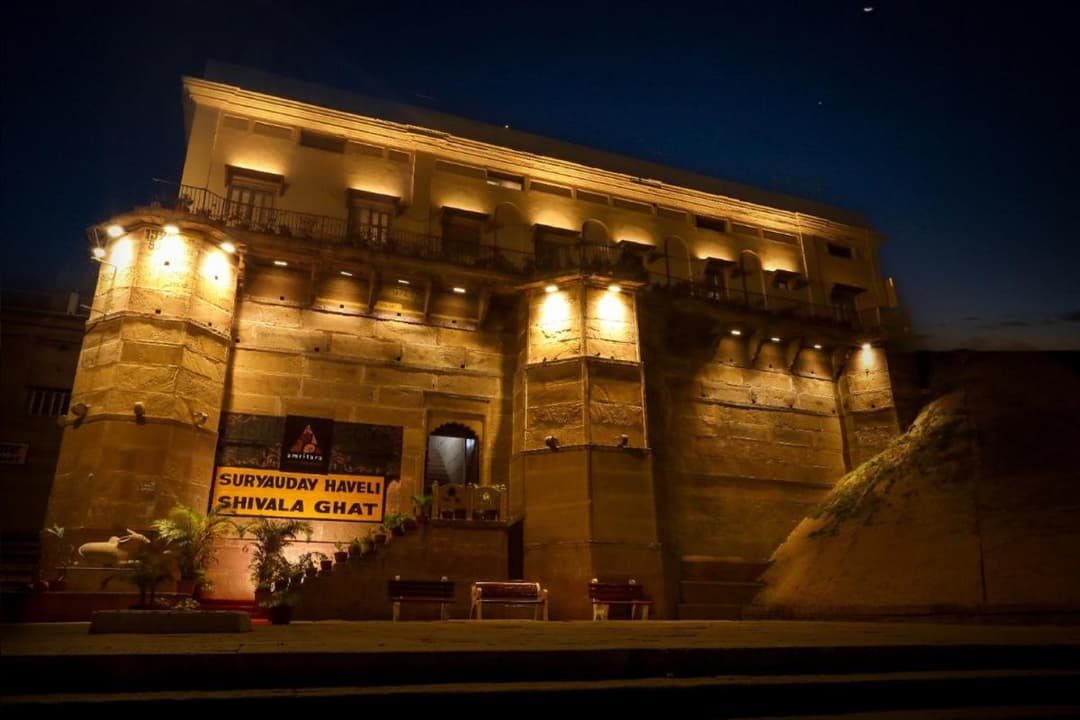
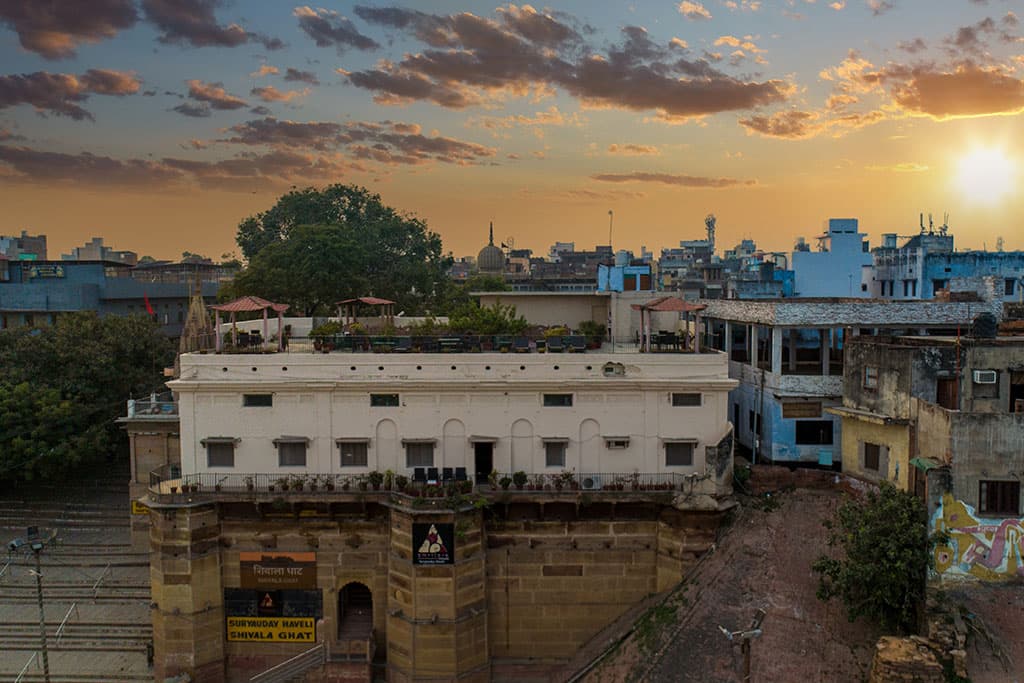
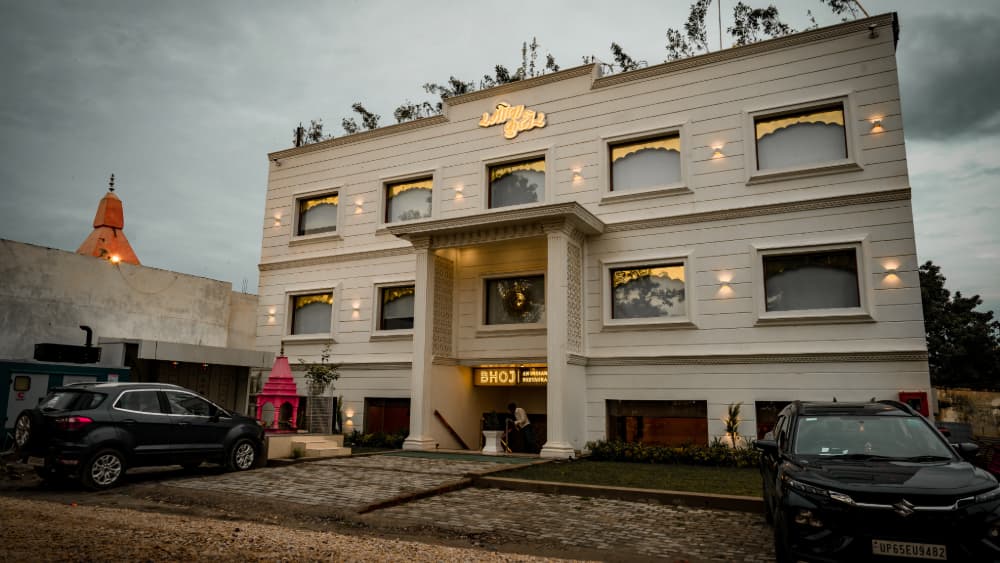
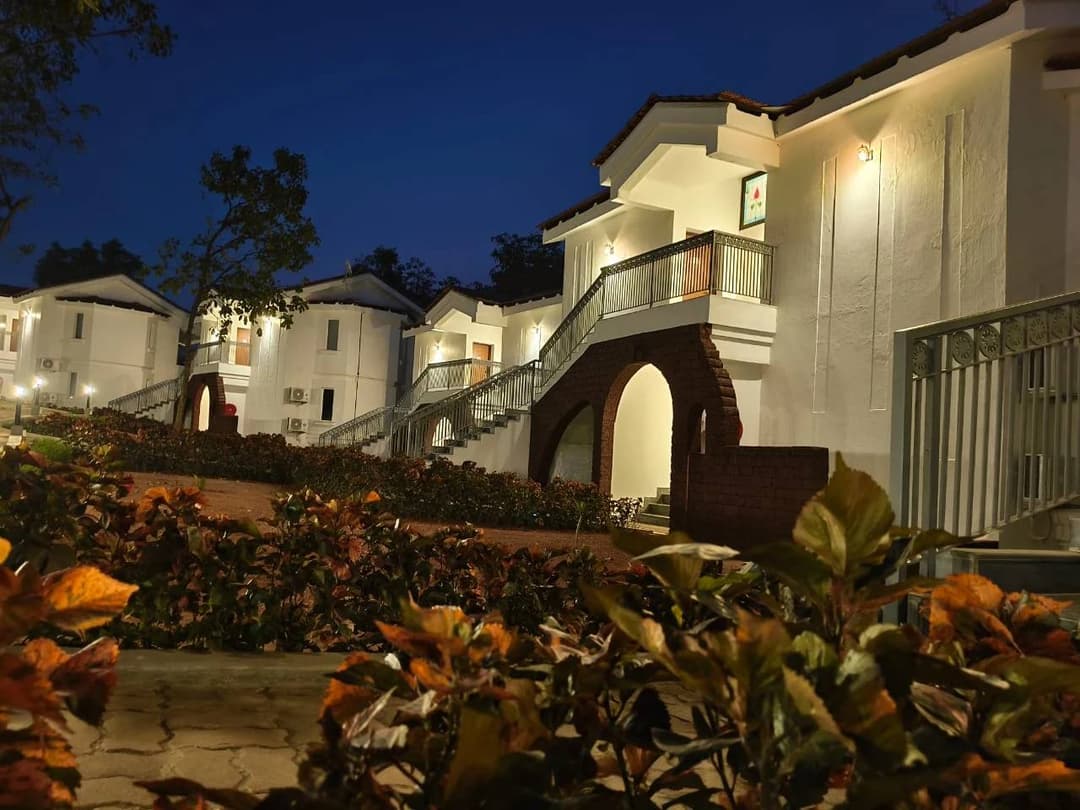
For Navratri in Varanasi from a base that understands what the festival requires, Amritara The Samagam is the property worth getting genuinely excited about. The riverside retreat in Varanasi positioned on the Ganga, the morning Snan accessible from the property, the Nava Durga Temple Tour starting from a base on the river rather than requiring a commute to it. Wellness sessions, Banarasi cuisine, the river present throughout. For the pilgrimage visit that should begin and end at the water, The Samagam is exactly that.