Blog Detail
Long Weekend Itinerary in Varanasi
Long Weekend Itinerary in Varanasi
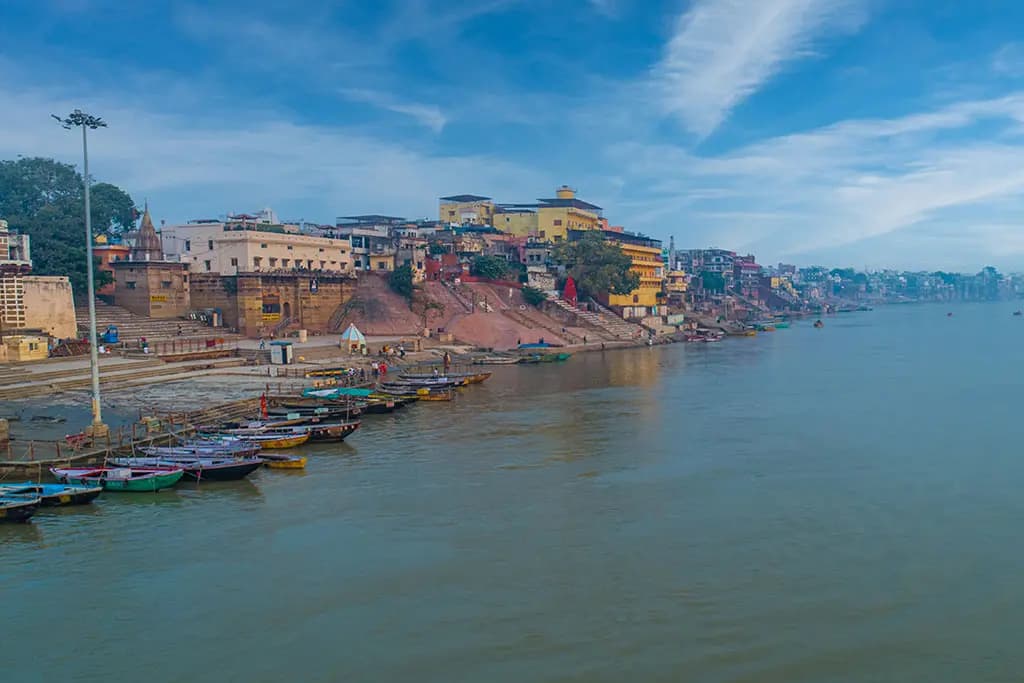
Varanasi is a place that must be explored at one's own pace and there are various things in the city that makes you fall in love with the city. Ghats on the bank of river Ganga, ancient temples, narrow lanes, local food and evening rituals are a few things to explore in this city. Though going on a long vacation helps one to witness almost everything in and around the city, but spending a long weekend can also help one witness a lot of important things in the city.
Why a Long Weekend works well for Varanasi tour?
Varanasi rewards travellers who slow down, but it does not demand weeks. Most of the places to visit in Varanasi are concentrated along the ghats and the old city, so you spend less time in transit and more time at each stop. Three days will allow you to experience all the big rituals, make your temple circuit and visit Sarnath in a relatively unhurried way (without rushing or feeling like you're rushing).
The natural rhythm of sunrise on the river, temple visits throughout the day, the dusk aarti is relatively short, Varanasi can be experienced within a few days. A weekend away that includes a Friday or Monday gives you some downtime in between excursions, essential in a city full of walking.
How to plan a 3 day trip to Varanasi?
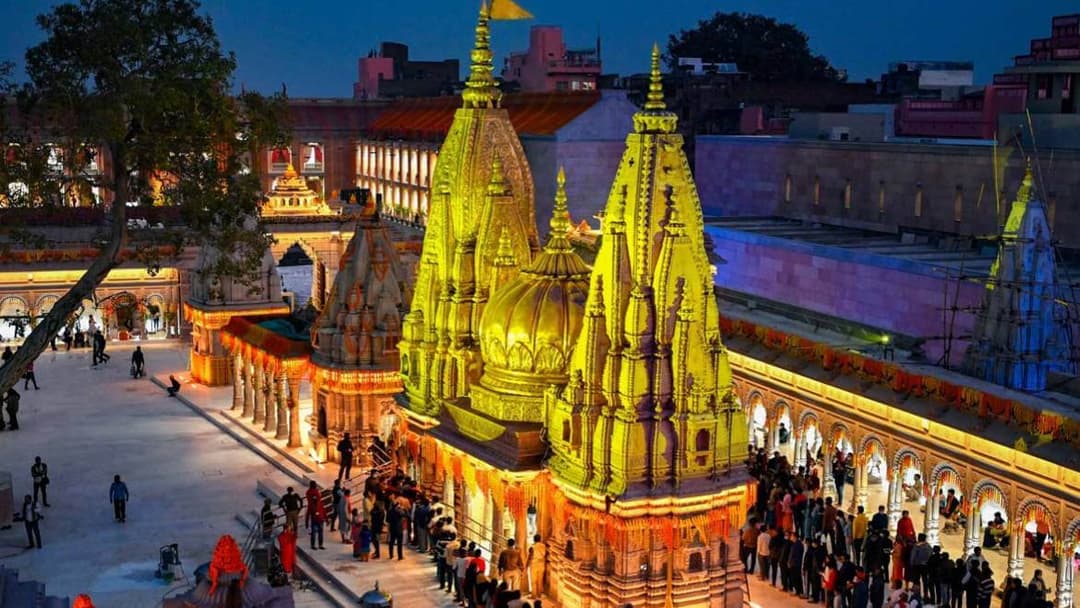
Day 1: First impressions of Varanasi are best formed at Kashi Vishwanath Temple, a revered Jyotirlinga dedicated to Lord Shiva, and the most frequented of the city's temples by devotees. Arrive early, as the Kashi Vishwanath Corridor that links the temple complex to the Ganges has seen an increase in pilgrims. Check current guidelines on phone usage and bag security, as well as advance bookings for darshan, before visiting this revered site.
By afternoon you can visit the Godowlia and Vishwanath Gali area. Here for lunch you can try kachori-sabzi, tamatar chaat, malaiyo (a winter speciality) and Banarasi paan. Next you can explore the local markets and shop for Banarasi silk sarees and brocades.
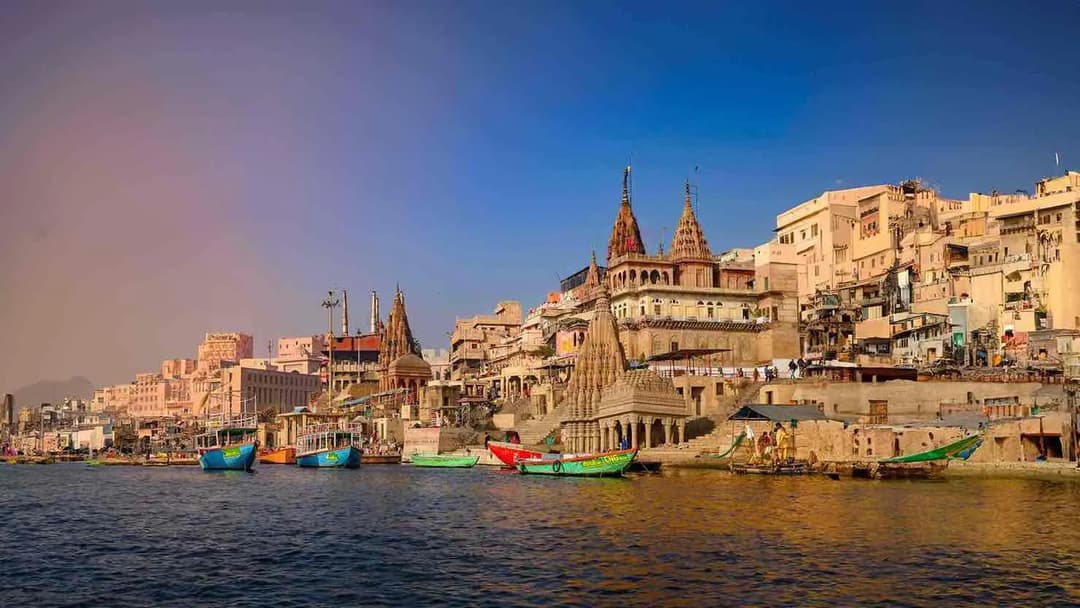
By evening, witness the Ganga Aarti at Dashashwamedh Ghat, a spectacular ritual of lights by priests that involves lamps, chants and conch shells. It is the most famous attraction in Varanasi. Arrive 45 minutes in advance to secure a good vantage point or take a boat ride on the Ganges.
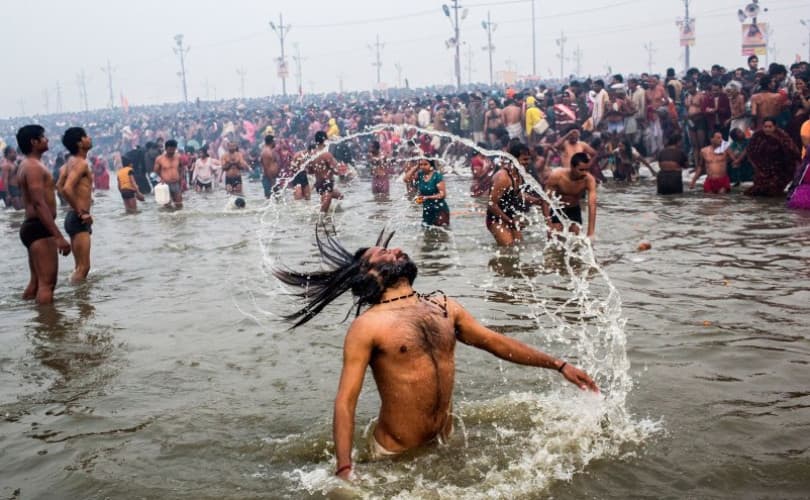
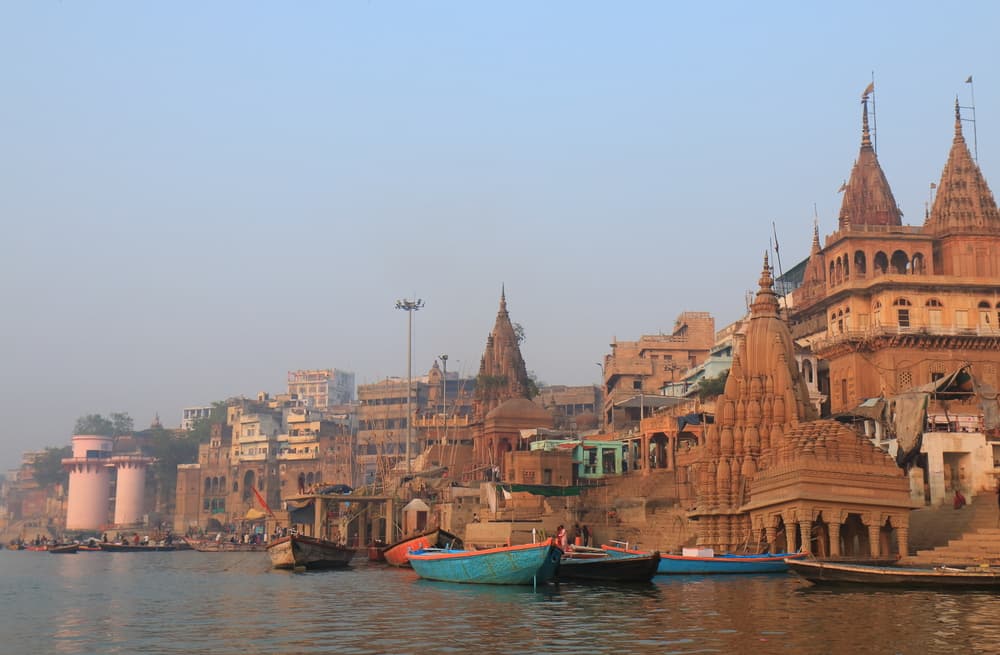
Day 2: Start your second day with exploring the ghats. Take a sunrise boat ride, and pass by Assi, Tulsi, Harishchandra and Manikarnika ghats en route to Dashashwamedh. Manikarnika is the main cremation ghat, and not advisable for photography. By late morning, visit Assi Ghat, a quieter alternative to Dashashwamedh with its café culture, music and yoga sessions. By afternoon you can explore the holy side of Varanasi, You can visit temples like
- Sankat Mochan Hanuman Temple - traditionally linked to the poet-saint Tulsidas,
- Durga Temple- Known for its red stone architecture.
- Tulsi Manas Temple- A white marble shrine with verses of the Ramcharitmanas inscribed on its walls.
- New Vishwanath Temple - Located within Banaras Hindu University, in a peaceful setting.
Day 3: You last day of the trip can be to explore the places near Varanasi. Located 10 km from Varanasi, Sarnath is where Lord Buddha delivered his first sermon. See the Dhamek Stupa, the excavated remains of the Ashoka Pillar, Mulagandha Kuti Vihar, and the Archaeological Museum with its collection of the Lion Capital of Ashoka. Head to Ramnagar Fort, an 18th-century edifice across the river with a museum that has a vintage car collection, along with royal costumes and weapons. If time permits, Bharat Kala Bhavan at BHU is a must-visit for its exquisite collection of miniature paintings and sculptures.
What dishes make Varanasi famous?
The famous food in Varanasi is a reflection of the city's vegetarian and street-side culture, being best experienced fresh in the old lanes. It is advisable to start with kachori-sabzi and jalebi, a hearty and inexpensive breakfast. Later, try tamatar chaat, a spiced tomato snack specific to Kashi, and litti chokha, i.e., roasted wheat balls with sattu stuffing. It is good to refresh with lassi, served in earthen cups. In winter, malaiyo, a light and frothy milk dessert, is also a must-try. Finally, a traditional Banarasi paan will complete the meal.
Where to Stay in Varanasi?
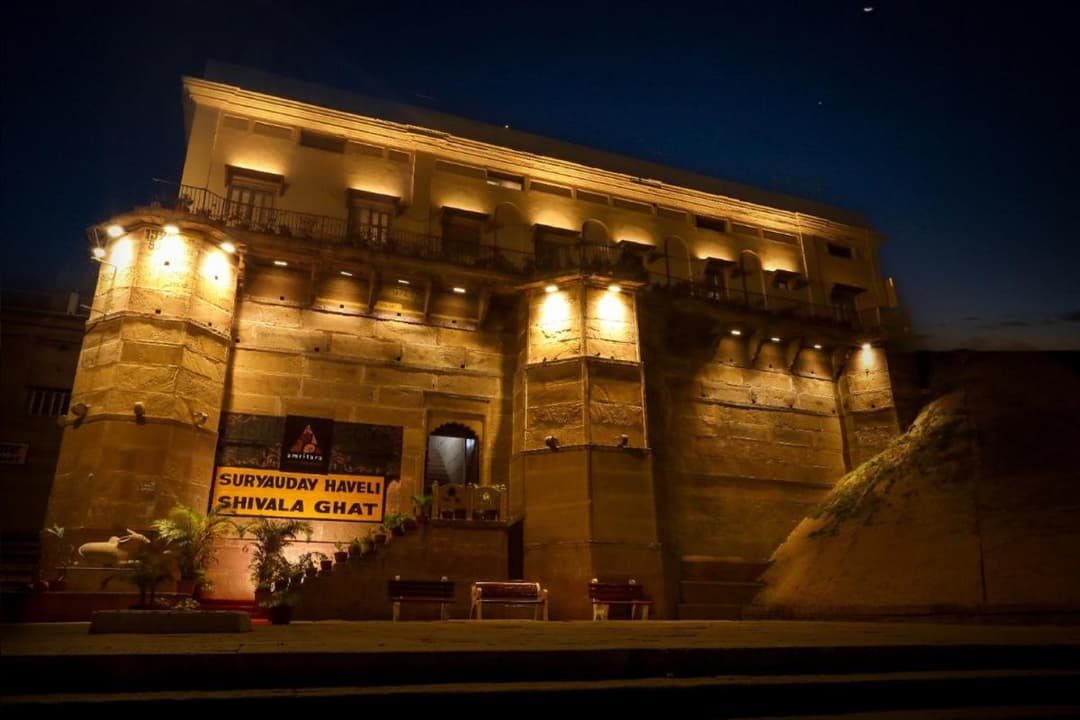
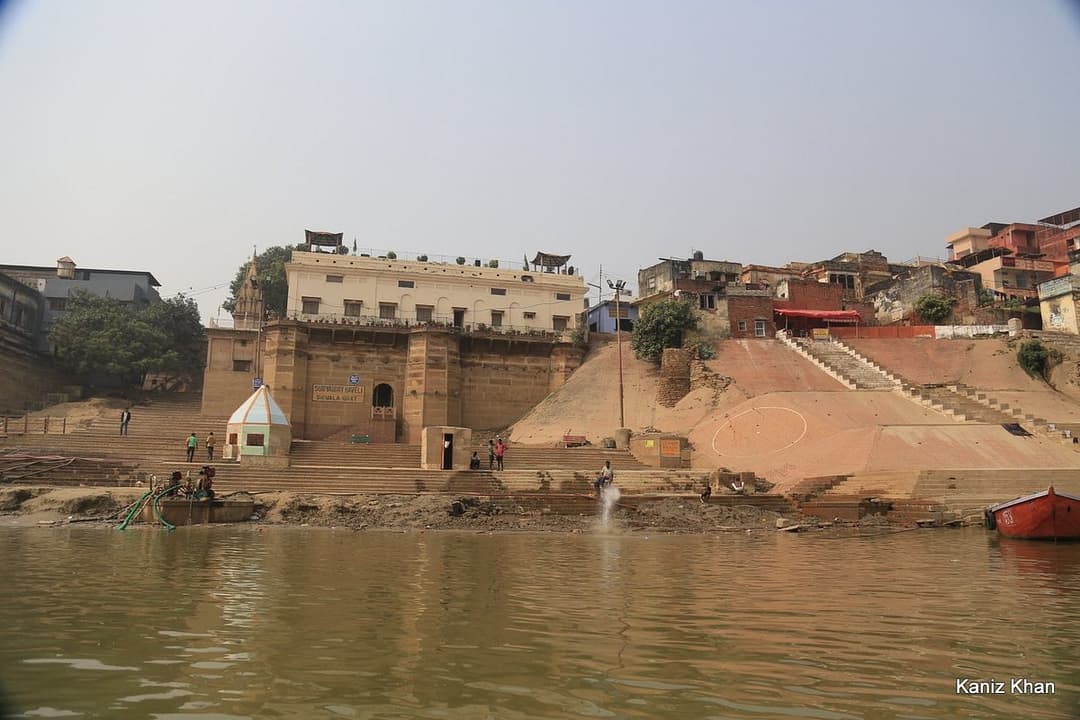
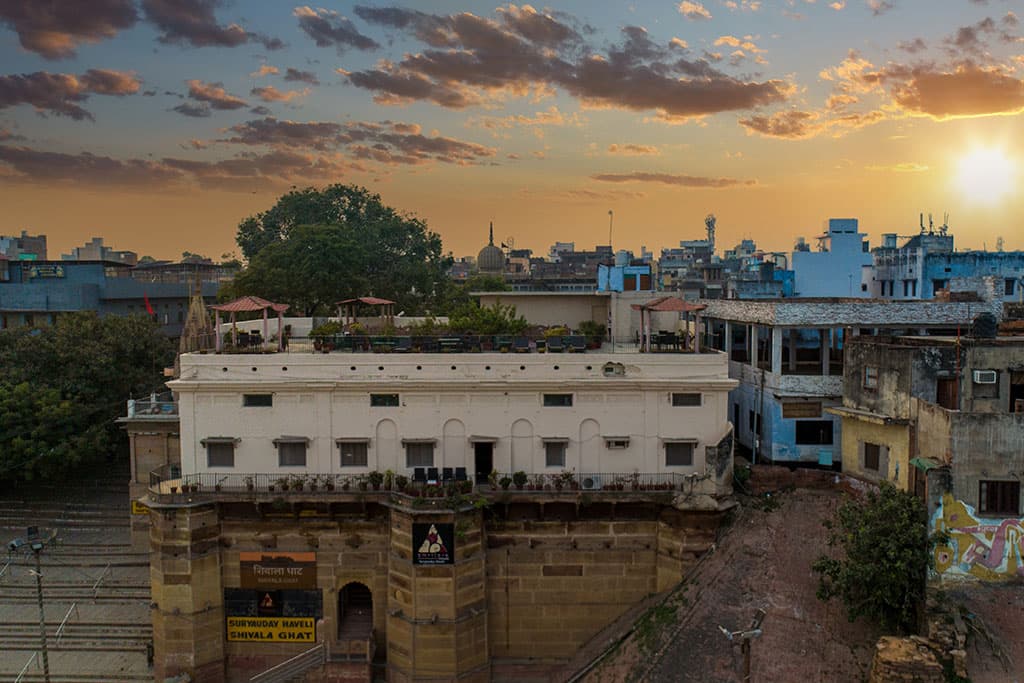
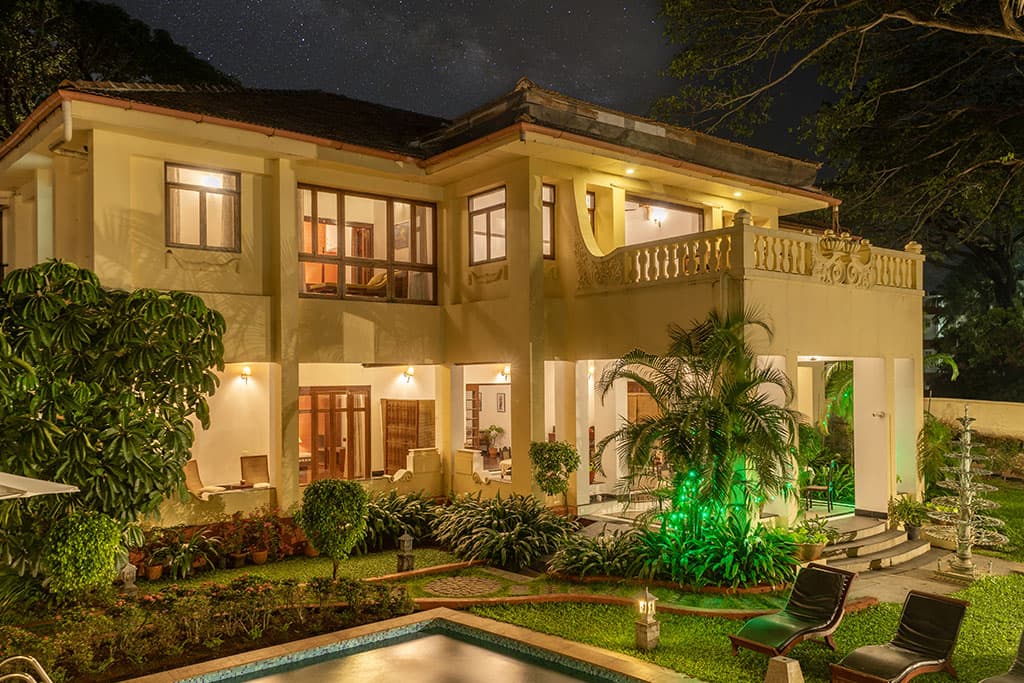
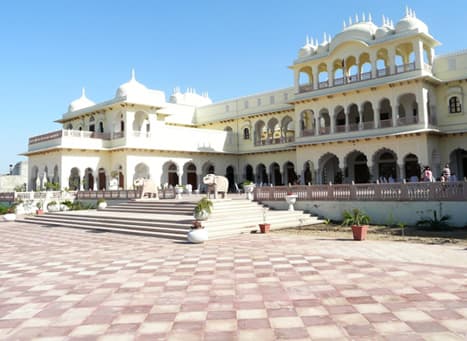
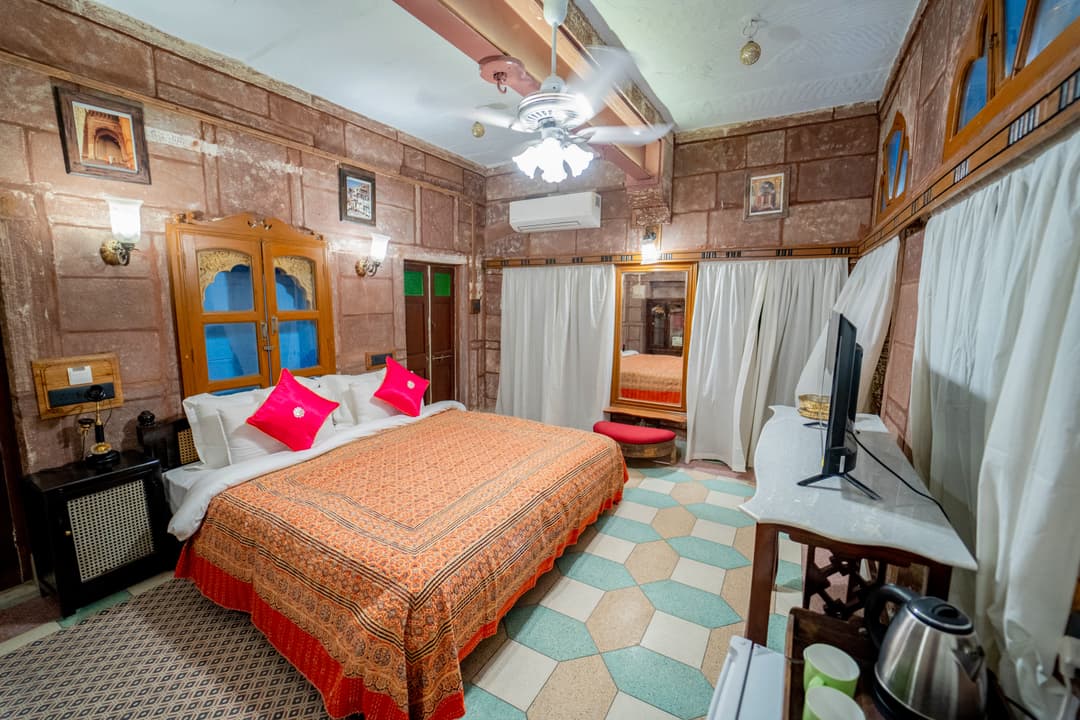
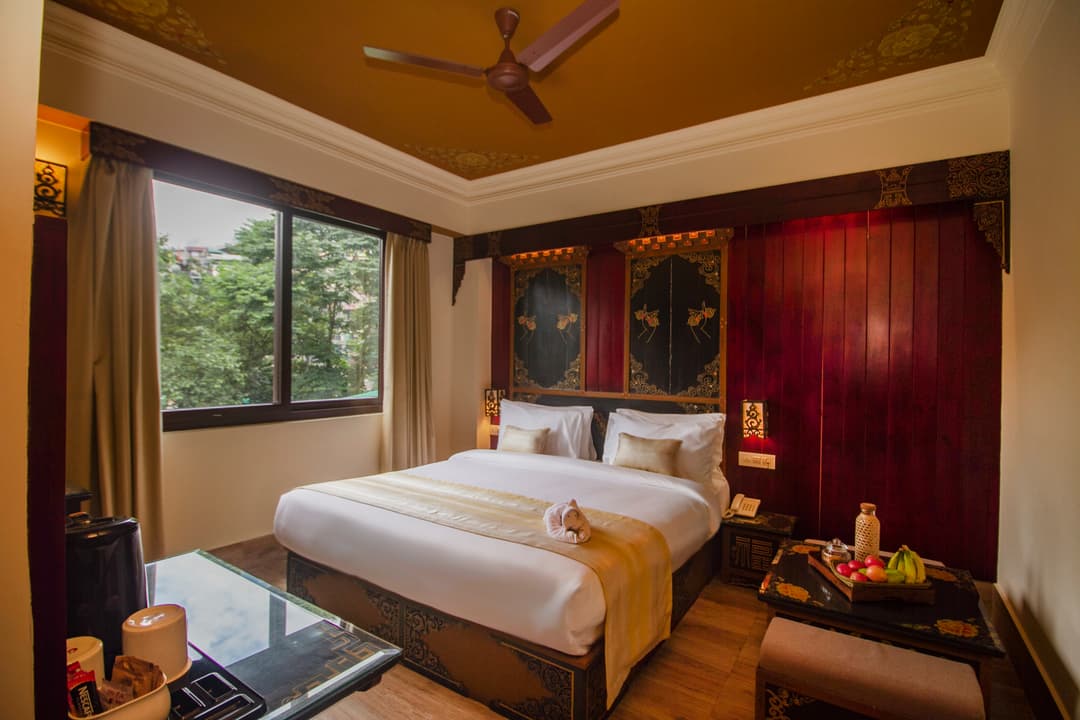
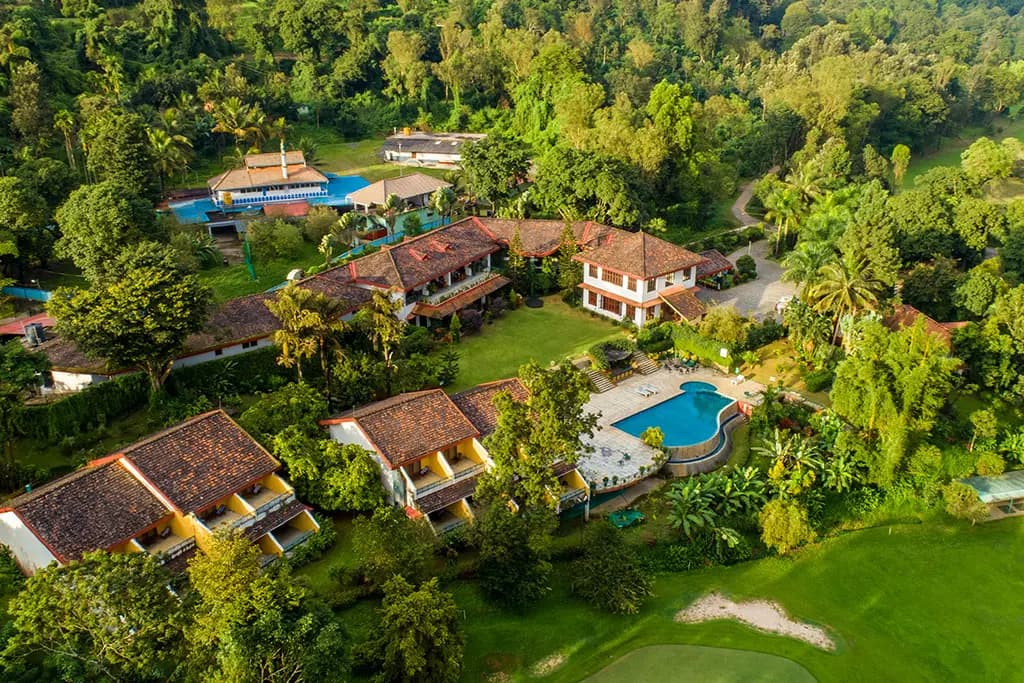
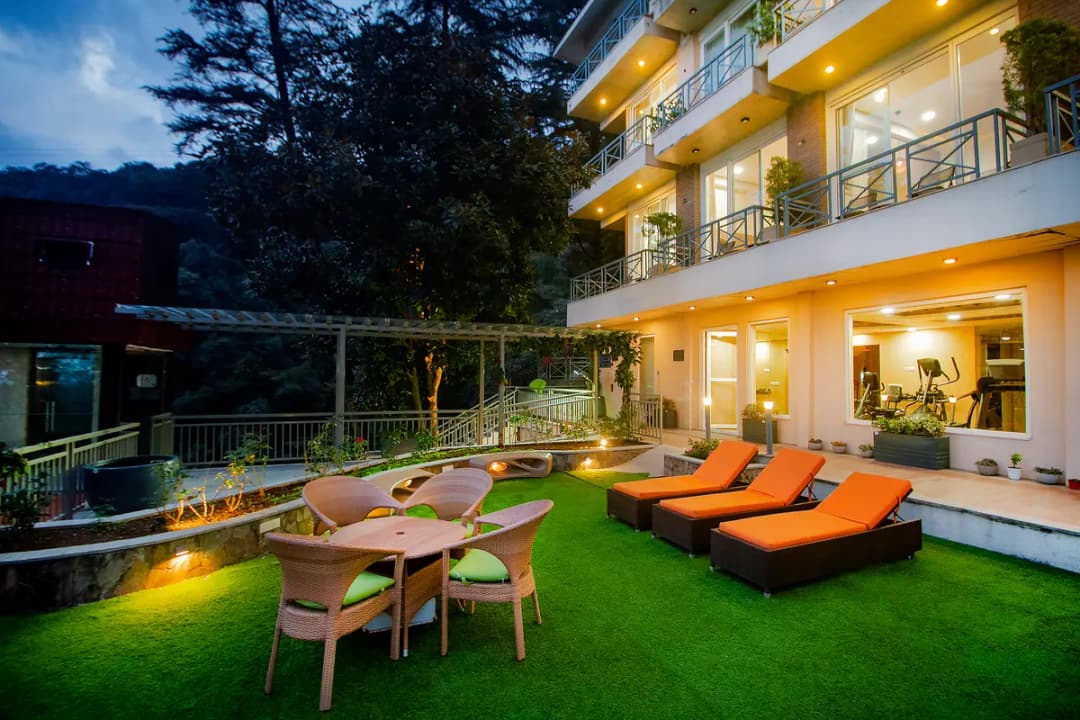
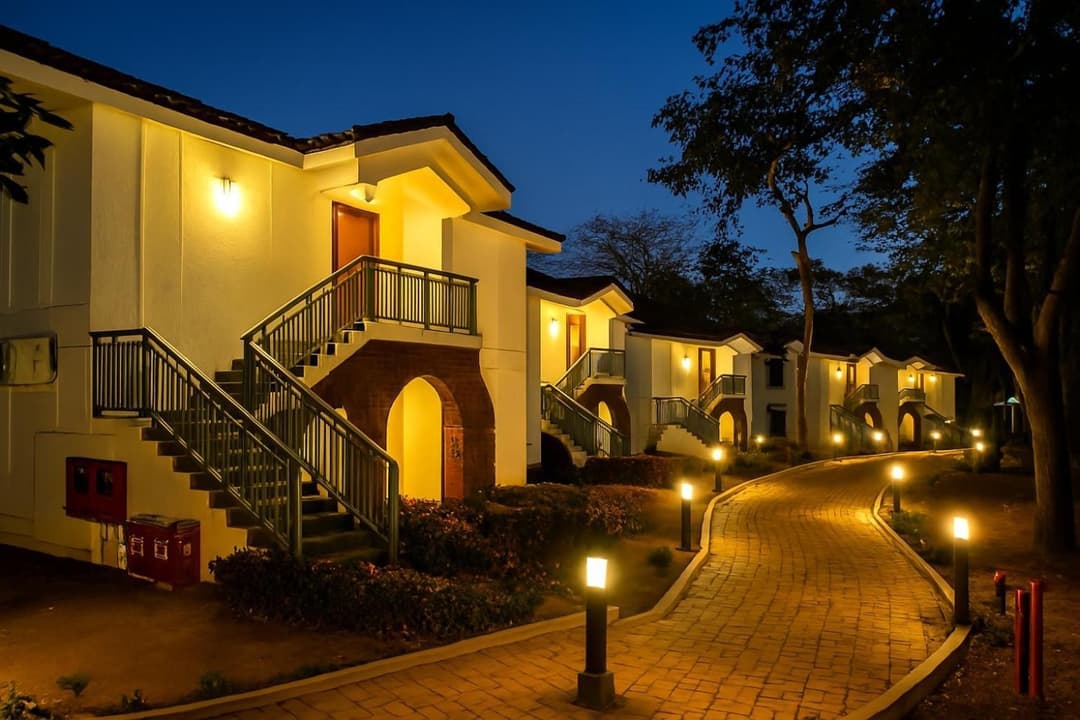
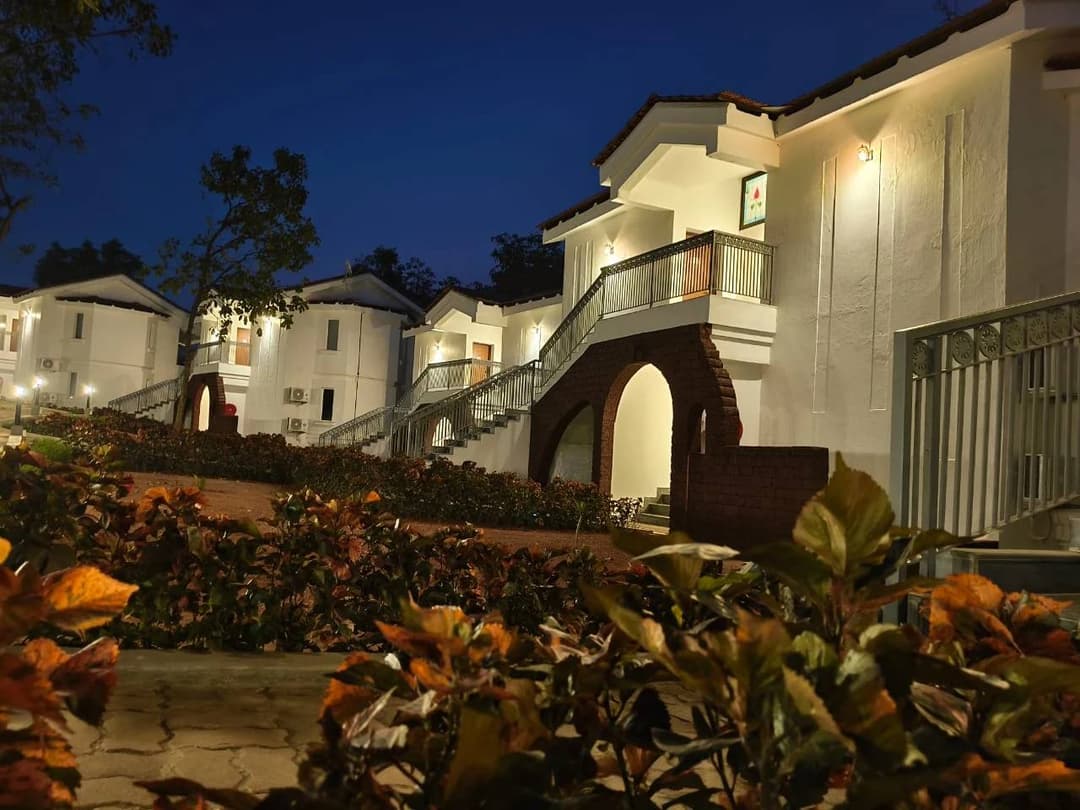
You can find many option to stay. Varanasi has two Amritara properties, each fitted for a different type of getaway. Amritara Suryauday Haveli is a renovated heritage haveli at Shivala Ghat on the banks of Ganges offering river views that pairs traditional architecture with a convenient location to main city attractions like the ghats and sunrise boat rides, making it an ideal choice for couples and families who wish to stay close to all major activity.
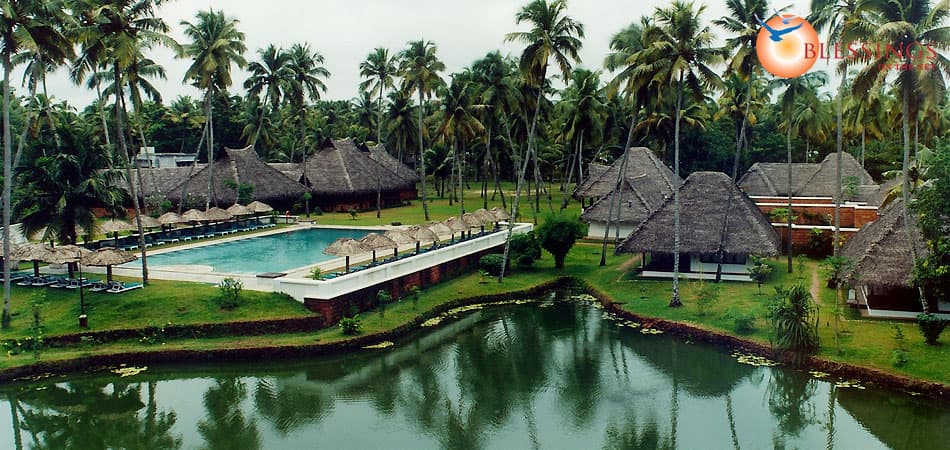
Amritara The Samagam is a more secluded and spiritual retreat located at Ganga-Gomti confluence at Kaithi, next to Shri Markandey Mahadev Temple, offering river-view accommodations, connecting family rooms with balconies, Samagam-view suites and a vegetarian-friendly restaurant, located about 30 to 35 km away from the city center, making it an ideal choice for those looking for solitude with the possibility of day-tripping to the city.
Things to do in Varanasi
The things to do in Varanasi revolve around the river, its rituals and its living traditions. Begin with a sunrise boat ride to see the ghats in soft morning light, then attend the Ganga Aarti at Dashashwamedh Ghat at dusk. Walk through the old lanes near Kashi Vishwanath Temple, shop for Banarasi silk sarees and brocades, and visit Sarnath for its Buddhist heritage. A long weekend stay in Varanasi gives you time to enjoy all of this at an unhurried pace. Whether you are travelling as a couple or with family, these experiences suit every pace:
- Sunrise boat ride: Among the best places to visit in Varanasi for couples, a private boat ride shows the ghats and the Ganges in calm, golden light.
- Evening walk at Assi Ghat: Stroll past music, cafés and river views, then end the day with dinner on a riverside terrace.
- Heritage stay by the Ganges: Waking up to the river adds atmosphere and makes the trip feel special.
- Sarnath, Ramnagar Fort and Bharat Kala Bhavan: Comfortable places to explore with family, as they are spacious, educational and easy for all ages.
- Tips for senior travellers: Keep visits short, book vehicles in advance, choose the quieter Tulsi Manas and New Vishwanath temples, and avoid the narrow old-city lanes at peak hours. Also book hotels in Varanasi and tickets for varanasi before travelling to avoid any type of hassle.
FAQS
1. How many days are enough to explore Varanasi?
Two days cover the main ghats and shrines. Three days allow you to add Sarnath and Ramnagar Fort without rushing.
2. Which are the most popular temples in the city?
The most popular are Kashi Vishwanath, Sankat Mochan, Durga, Tulsi Manas and the New Vishwanath.
3. What is the best way to experience the Ganges?
A sunrise boat ride offers soft light and a clear view of the ghats. The evening aarti is equally memorable.
4. Is Varanasi suitable for family travel?
Families with young children can have a wonderful time in Varanasi. Sarnath and the Ramnagar fort are good for all ages and the boat rides are gentle enough for younger ones.
5. Which season is ideal for a long weekend visit?
October to March is the most comfortable. Summers are very hot, and monsoon months can restrict access to some ghats.
6. Is Varanasi safe for tourists?
It is generally safe. Stay alert in crowded areas, avoid unofficial guides and use registered boats and taxis.