Blog Detail
Blue City Jodhpur: History, Famous Blue Streets and Places to Explore
Blue City Jodhpur: History, Famous Blue Streets and Places to Explore
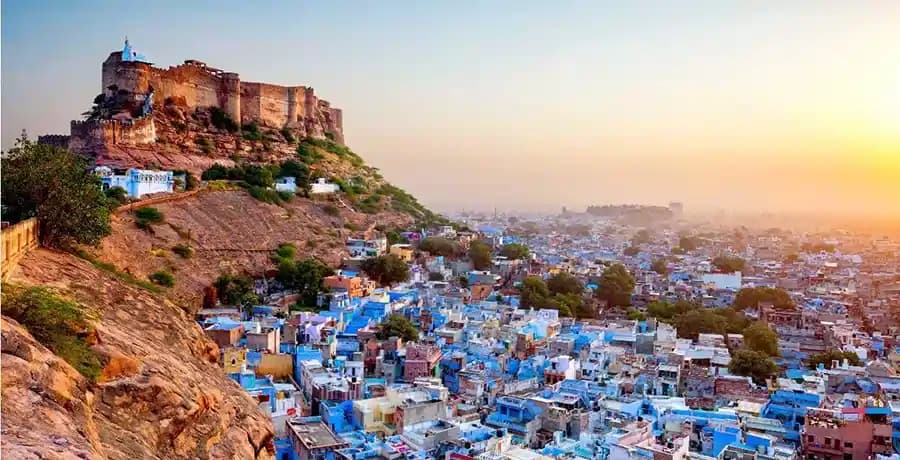
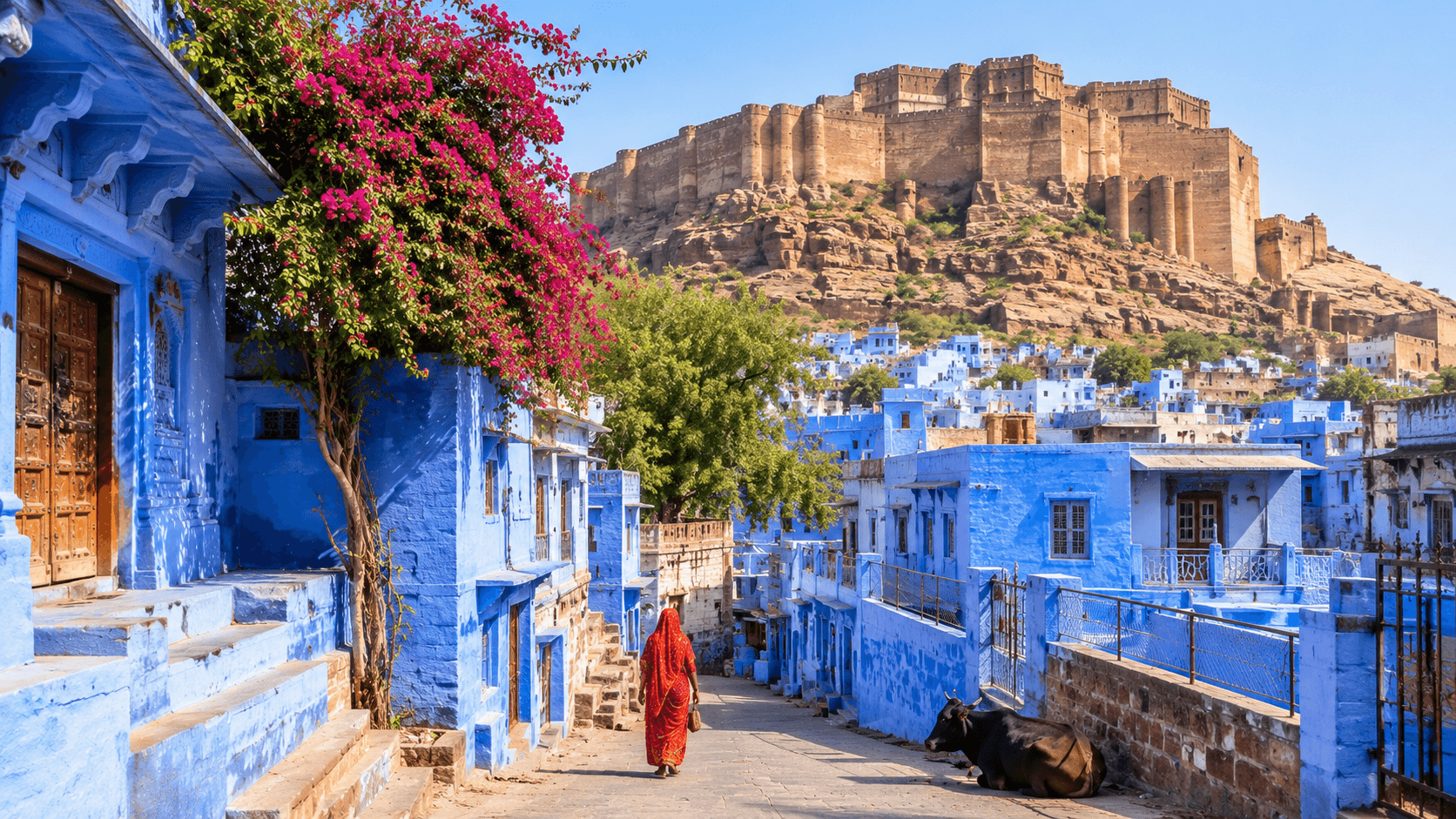
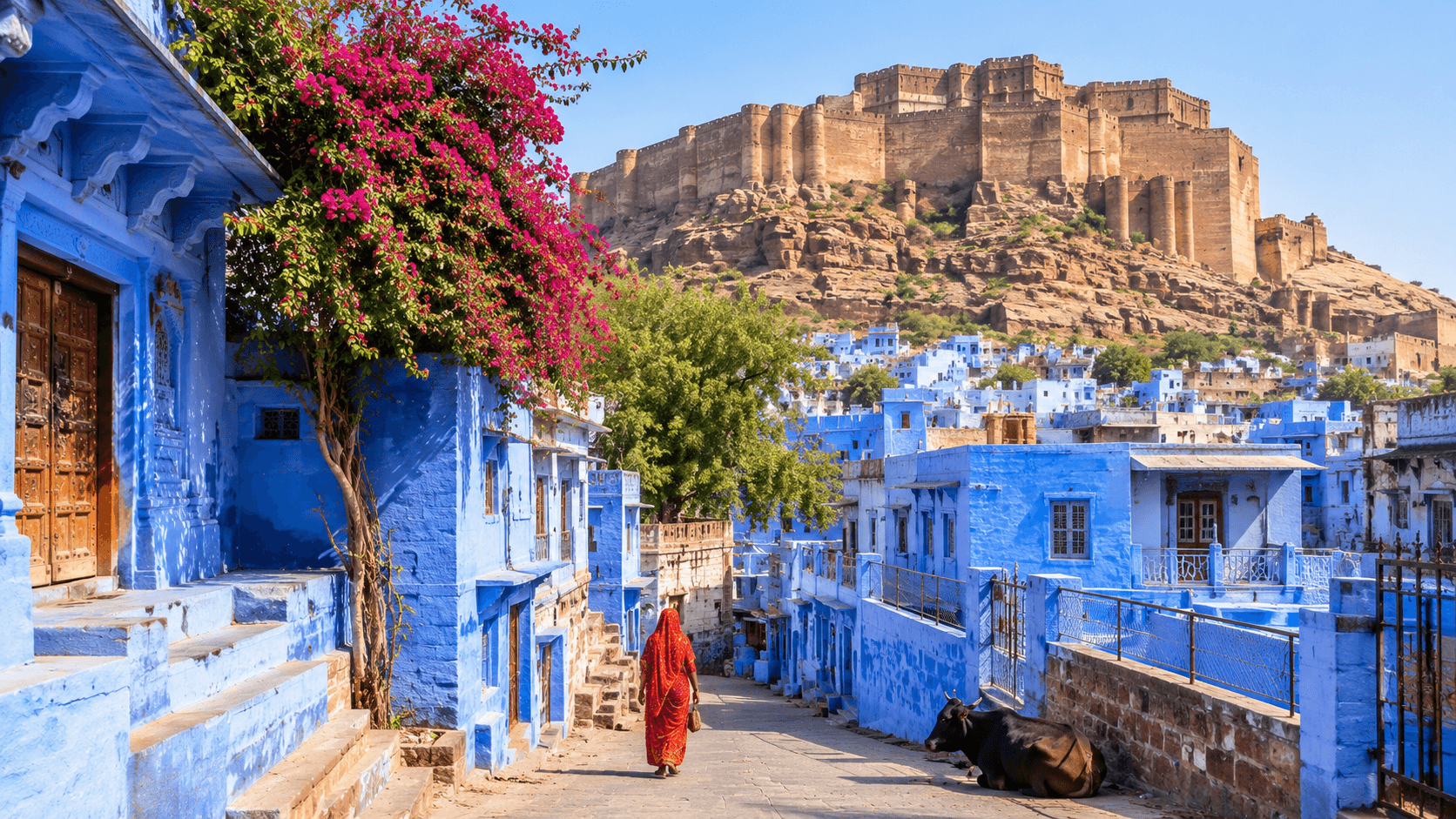
Blue City Jodhpur began as a fortress, not a postcard. In 1459, Rao Jodha raised Mehrangarh on a rocky hill, and a walled town of stone houses grew in its shadow. The blue arrived much later, historians say not before the 17th century, and it has since become the colour the whole world links with this city.
Today, those sky-blue lanes at the foot of the fort draw travellers from every corner of the globe. That is the charm of this place. The big sights are great, but the old city is best enjoyed in small moments. Here is your guide to the history behind the blue, the streets to walk, and the places you should not skip.
What is the History Behind Jodhpur's Blue Houses?
Jodhpur was founded by Rao Jodha, who shifted his capital from Mandore. The city developed beneath the Mehrangarh fort and was enclosed by massive walls and gates.
The area of Brahmapuri, which lies at the base of the fort, is most associated with the ‘blue houses’. People claim that the original painters were Brahmins. They used a lime based paint and coloured it with indigo. Some also included copper sulphate in the paint.
However, according to historians, the colour was not used until at least the 17th century. Furthermore, there is no record of who initiated the painting or of the motivation behind it. The following points are based on local opinion. As surrounding houses adopted the trend, the colour gradually became synonymous with Jodhpur.
Why Is Jodhpur Called the Blue City?
The following are the main reasons for the blue buildings in Jodhpur, given by locals:
- Brahmin families: The Brahmin families in Brahmapuri were the first to paint their houses blue.
- Cool temperature: The white lime mixture with blue dye/ copper sulphate helps reflect the heat. In Jodhpur the summer months are very bright and long.
- Fewer bugs: Copper sulphate is believed to deter both termites and mosquitoes.
- Faith: Blue is associated with Lord Shiva and the open sky.
Other local residents followed suit. Now ‘blue heaven’ is commonly used by tourists to describe the entire historic city, and the colour blue is important for identity in Jodhpur.
Famous Blue Streets in Old City Jodhpur
You can walk around most of these areas in half a day.
- Brahmapuri –The central blue area of the city. Most pictures will be taken here.
- Navchokiya –This is made up of small alleyways close to Mehrangarh Fort. It has very bright blue buildings and beautiful ornate doors.
- Sonaro Ka Bas (Goldsmiths Lane)– This is quieter than other areas in the historic city but is famous for its gold-making tradition. There are many heritage havelis in this area.
- Clock Tower area – Approximately 1.5km from the base of the fort. The buildings have blue walls, and there are spice shops, sweet shops and cloth shops in the alleyways.
- Gulab Sagar – Reflecting on the water in the lake, the blue houses in this area are very picturesque. It is a great area for a leisurely walk in the evening.
Best Time to Visit Blue City Jodhpur
- October – March
Good for both viewing and walking. As this is peak season, it is advisable to pre-book.
- April – June
Hot and sunny. Best to be out either in the early mornings or evenings.
- July – September
Whilst the monsoon affects the weather during these months, there are also smaller numbers of people, and the scenery is more lush. Again, consider the rainfall.
- Best times of day:
Morning (ideally between 7-9 am) provides good lighting and peaceful backstreets. Late afternoon is also a good option.
Tips for Taking Photographs in Blue City Jodhpur
The best times to take photographs in Blue City Jodhpur depend on the lighting. A few tips are listed below.
- Morning (7- 9 a.m.)—Soft morning light, with many of the shops having half-closed shutters. The best time to photograph Brahmapuri.
- Evening– Golden light reflecting off the fort walls and across the blue roofs below.
- On the Fort Walls– Many people come to take pictures of the beautiful wide views across the blue houses.
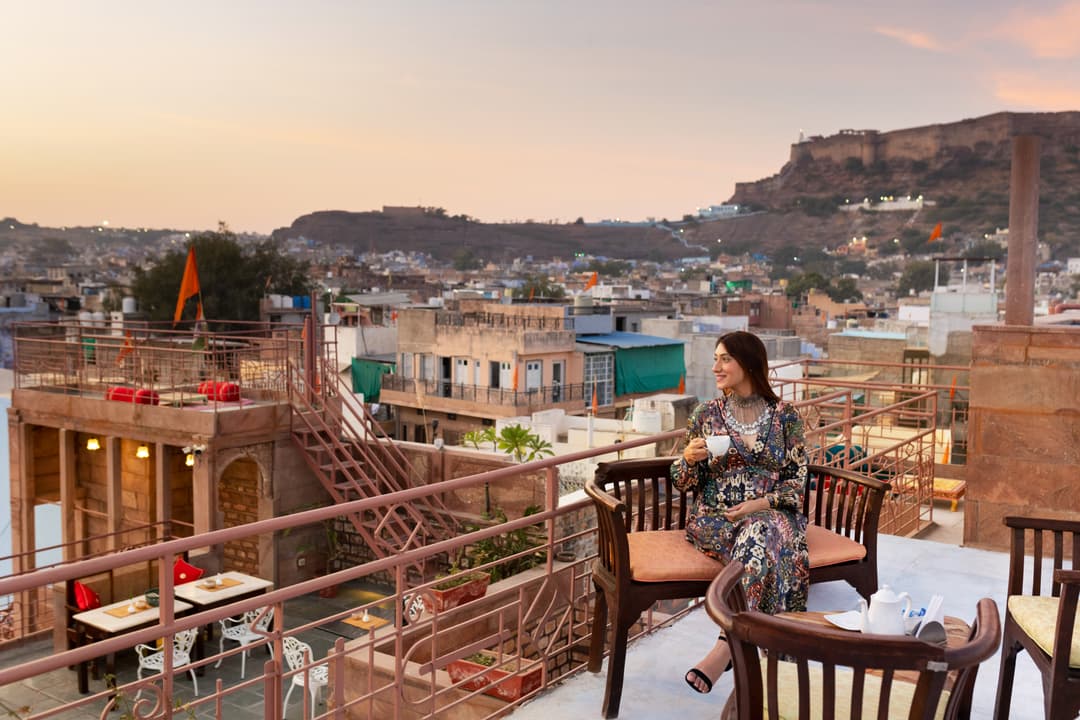
- On Roofs– You can get the same view in rooftop cafes/restaurants.
- Please ask permission: As many of these alleyways are residential, a friendly ask will greatly help.
The best weather for photography in Jodhpur is during the winter months (October-March). Temperatures are generally between 22-28 degrees, meaning it is easy to spend a long time walking through the alleyways.
Best Places to Explore in Jodhpur
Mehrangarh Fort: The headline stop. Allow 2 to 3 hours for the palace rooms, courtyards and viewpoints.
Jaswant Thada – White marble mausoleum, completed in 1899, surrounded by gardens.
Clock Tower/Sardar Market – The busiest and most colorful area in the historic area.
Toorji Ka Jhalra – Stepwell, constructed around 1740. It has now been restored and is surrounded by cafes.
Gulab Sagar – Lake built in 1788. The fort can be seen in the background.
Umaid Bhawan Palace (20th Century) – Museum included. Half-day visit.
Mandore Gardens (approx 9km from historic area) – Many old tombs and shady pathways.
One-Day Blue City Itinerary
- 7:00 AM: Wander Brahmapuri's lanes while they're quiet.
- 8:30 AM: Mehrangarh Fort.
- 11:00 AM: Jaswant Thada, a short ride from the fort.
- 1:00 PM: Lunch. Try a Rajasthani thali, mirchi bada or makhaniya lassi.
- 3:00 PM: Toorji Ka Jhalra.
- 4:00 PM: Clock Tower and Sardar Market, about 1.5 km from the fort base.
- 5:30 PM: Sunset around Gulab Sagar.
Tips for first-time travellers in Jodhpur
Wear comfortable shoes, because the lanes are steep and uneven. Carry water and sun protection. Rickshaws are handy between the fort, Jaswant Thada and the market. Bargain politely in bazaars, and start your day early.
Things to Buy
Jodhpur is a great place to buy things. The best places to buy things are in the bazaars.
- Bandhej fabrics, brightly coloured Lac Bangles, Hand-stitched Leather shoes (Mojari), Spices (especially red chillies and local mixes), Handmade items and antique-style furniture. Jodhpuri coats and bandhgala suits.
- Start in Sardar Market. In addition, in Tripolia Bazaar. If you would like branded items and a cinema, Blue City mall Jodhpur on Circuit House Road (short distance away in a cab from historic area) is a great relaxed place to spend an evening.
Heritage Haveli Hotel in Jodhpur
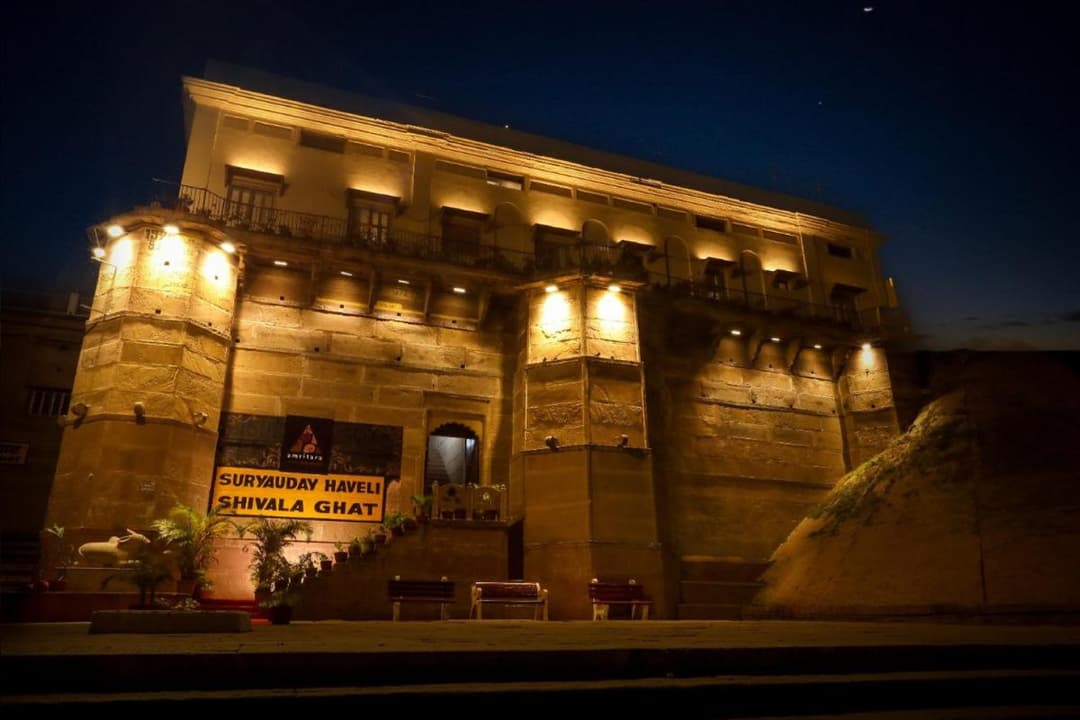
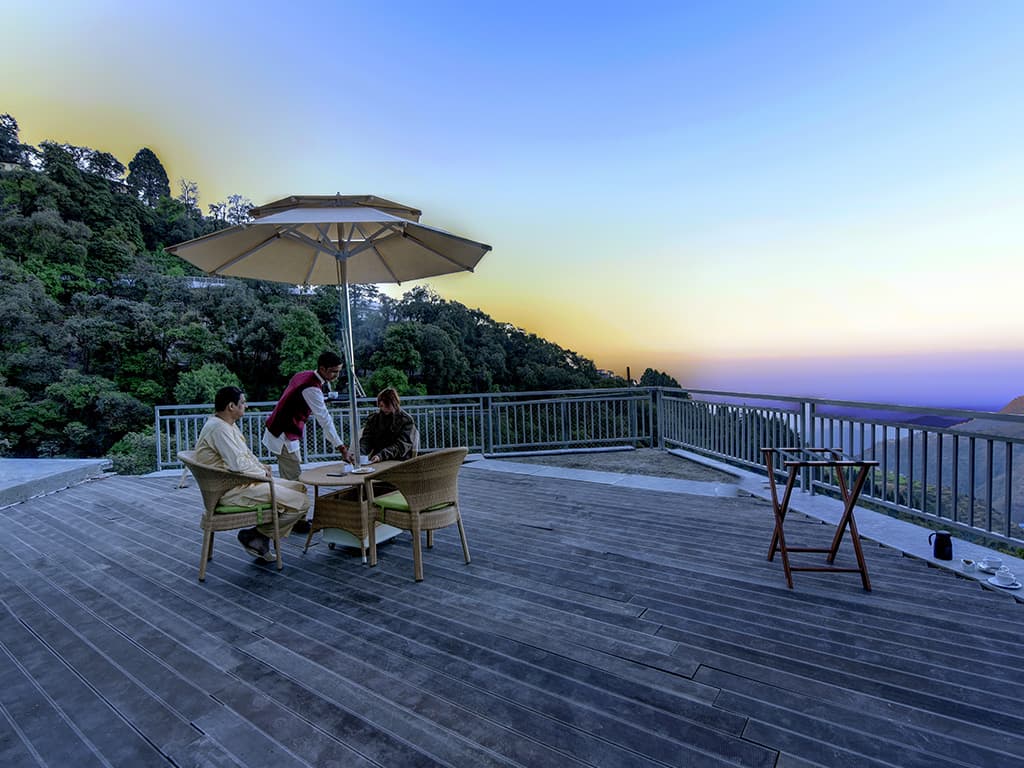
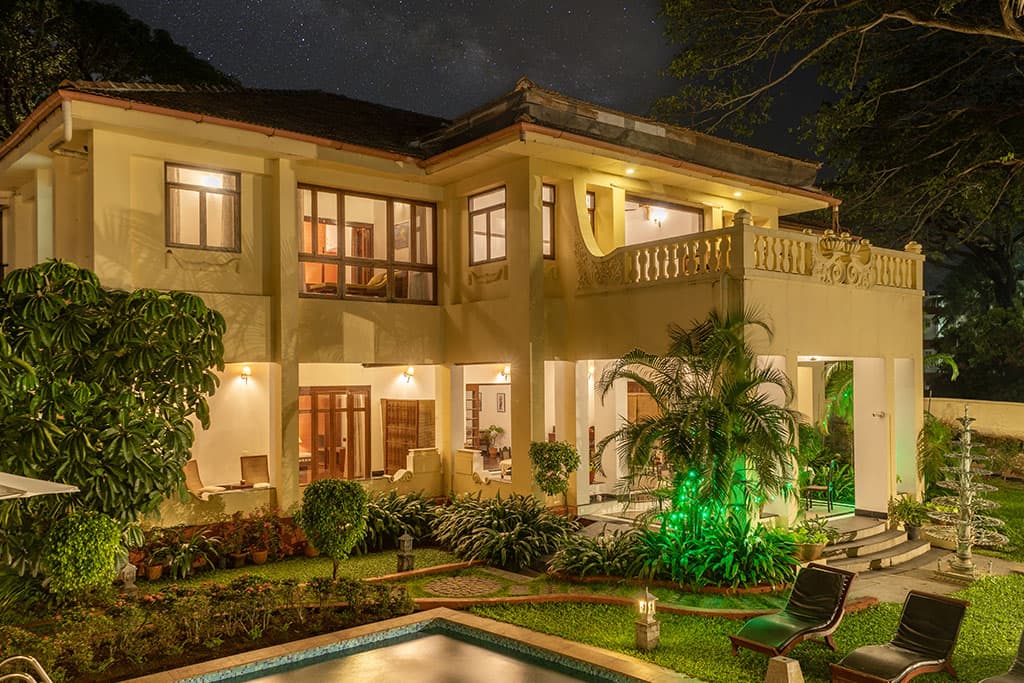
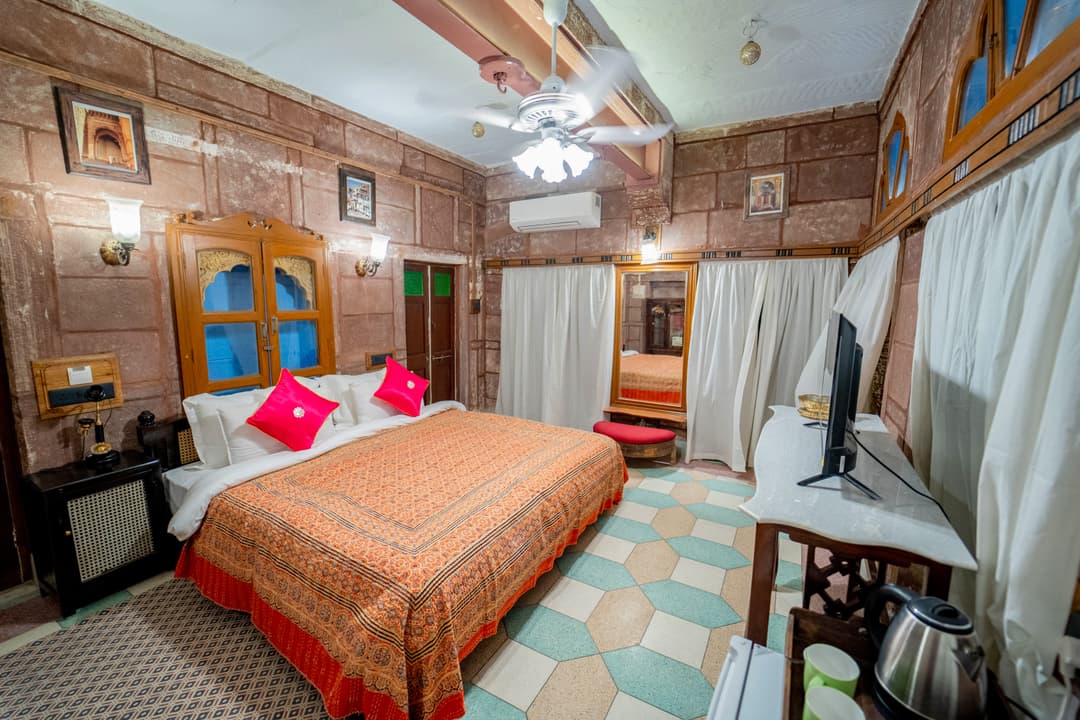
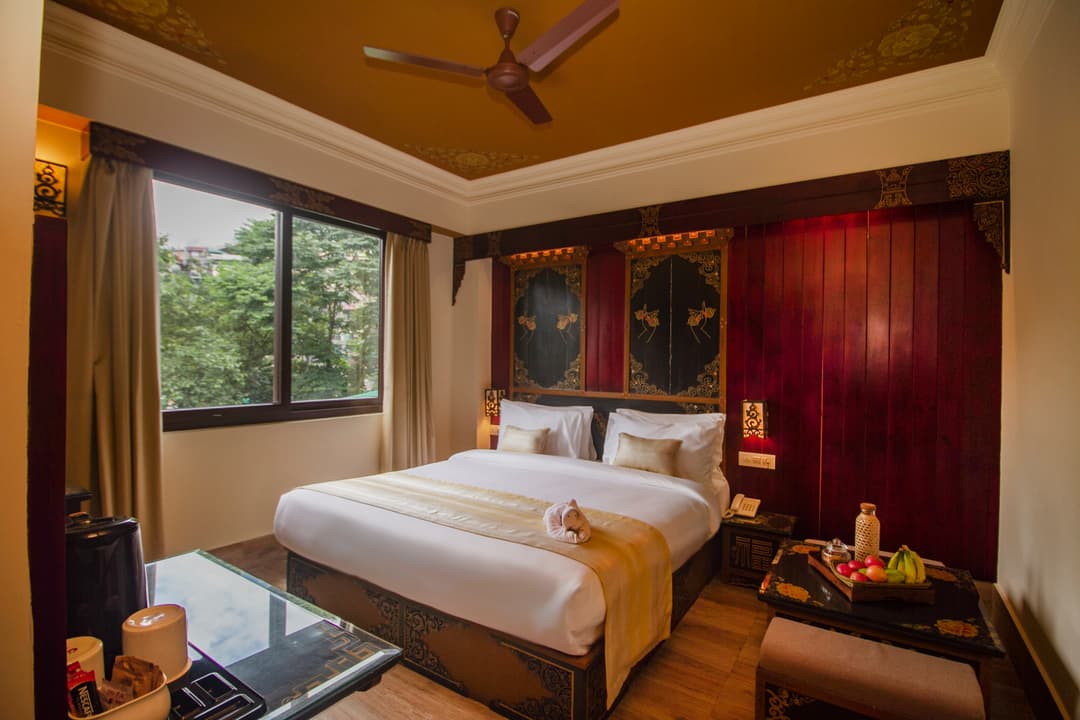
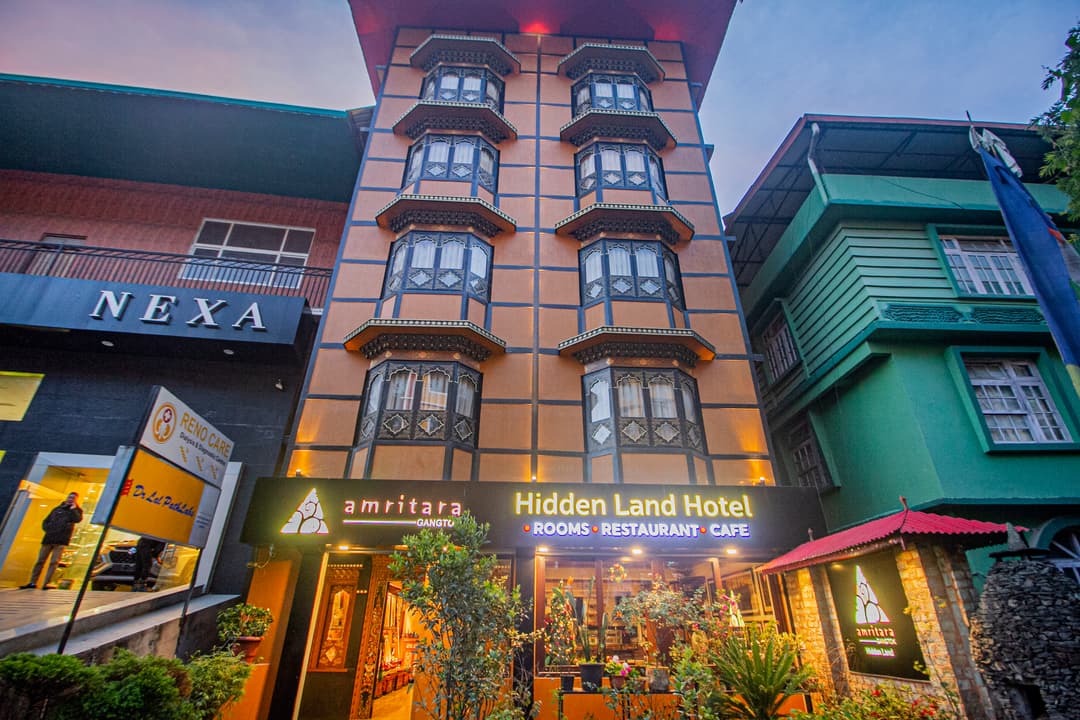
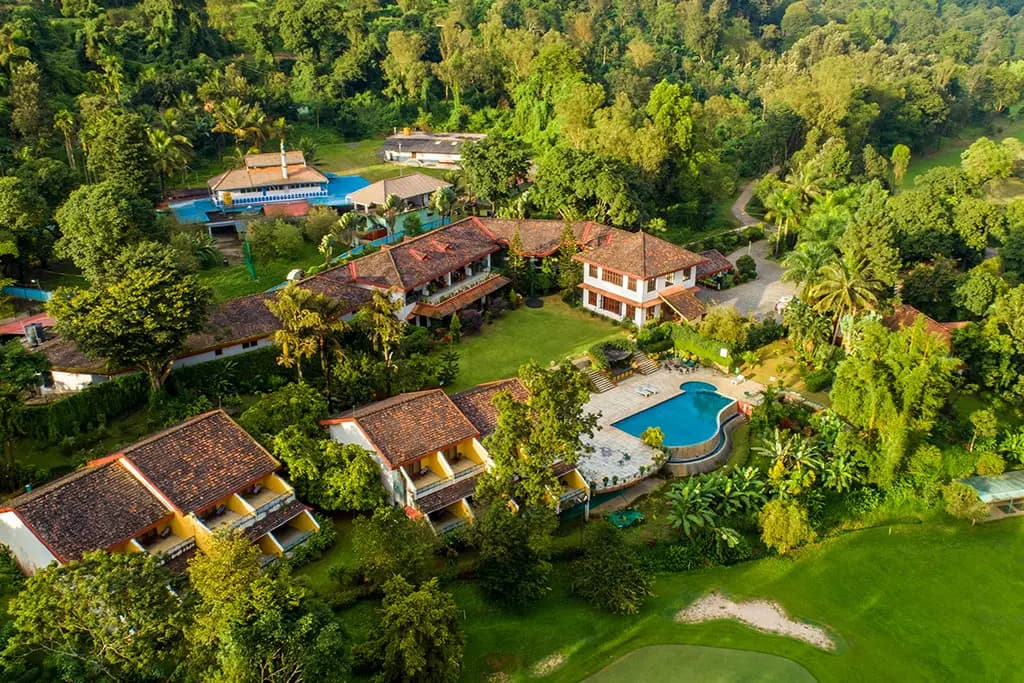
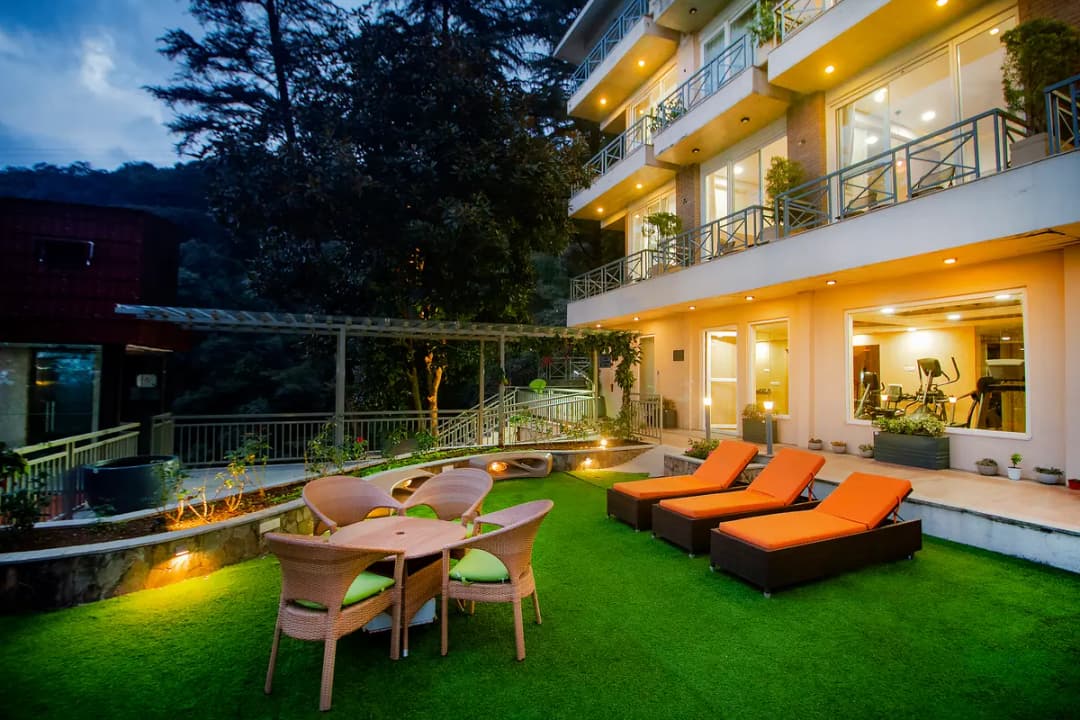
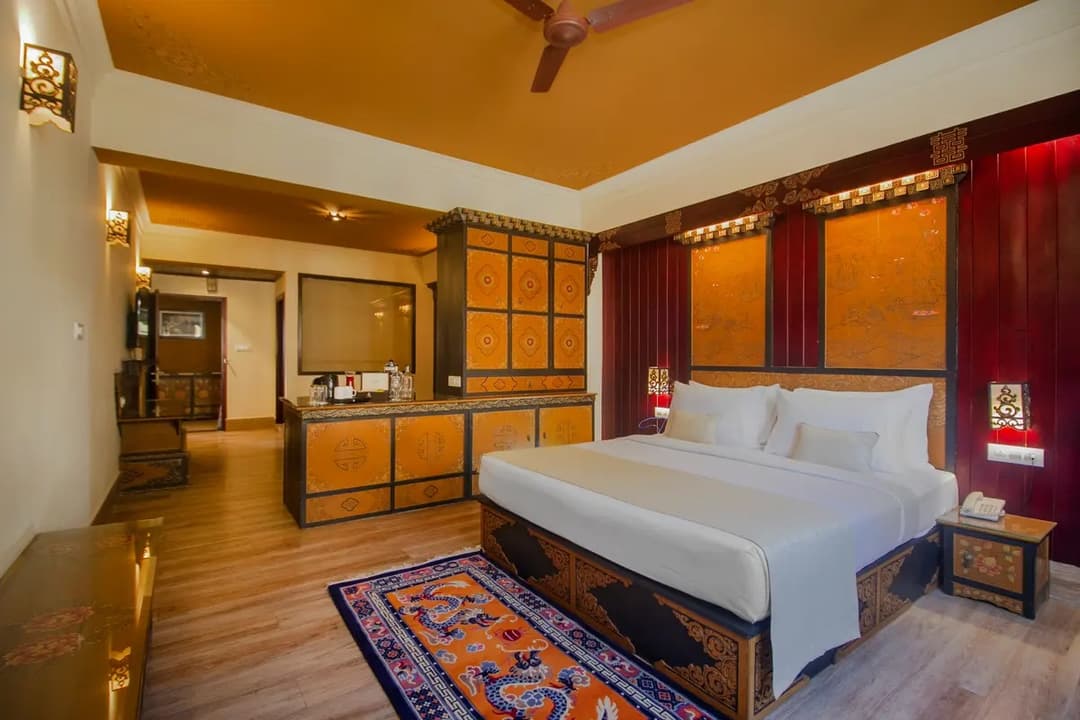
Amritara Manak Haveli is a restored heritage haveli hotel in the old city of Jodhpur, located inside Sojati Gate in the Sonaro Ka Bas quarter, within the Goldsmith Lane art district. It was a family home before it was restored, and it now has 14 rooms, a library, gardens, an open-deck jacuzzi and a rooftop vegetarian restaurant that looks over the old city. A few practical details that matter when you plan:
- Pickup and drop: Complimentary e-rickshaw pickup and drop from the car parking, about 700 m away, with a short street tour at check-in and check-out.
- Breakfast:Continental and buffet options, served on the rooftop.
- Evenings: Complimentary tea or coffee with cookies.
- Timings: Check-in at 1 PM, check-out at 11 AM.
- Walking distance: The Clock Tower is about 5 minutes away on foot.Suitability for Different Travelers
FAQs
1. Why is Jodhpur known as Blue City?
Jodhpur is known as the Blue City of Rajasthan. The houses in the historic area close to Mehrangarh Fort were initially painted blue by Brahmin families. Locals say that painting the buildings blue made them cooler, reduced bugs in the house and linked the house to Lord Shiva. Jodhpur is also known as the Sun City due to the bright and sunny weather.
2. Where is best to stay in Jodhpur?
For first time visitors, staying in historic area is best. You have easy access to the Clock Tower, Sardar Market and blue alleyways. You have easy access (either by walking or climbing) to Mehrangarh Fort. If you are looking for shopping centres, cafes and wider roads, Sardarpura and along Circuit House Road would be best for you.
3. Is Jodhpur considered a Tier 3 city? What is the second largest city?
Jodhpur is generally considered to be a Tier 2 city. This means it is between large metropolis cities and smaller towns. It is the second largest city in Rajasthan after Jaipur, and has a population of just over 1 million. It has an airport, AIIMS, IIT Jodhpur and a strong tourist economy
4. Is Jodhpur good to shop in? What should I buy?
Yes! In the bazaars in the historic area close to the Clock Tower, you can buy Bandhej fabrics, Lac Bangles, leather shoes (Mojari), spices, handmade items and antique style furniture. Sardar Market is the easiest place to start. If you want branded items and a cinema, Blue City Mall Jodhpur (along Circuit House Road) is a relaxing place to spend half a day.
5. What are the best things to do in Blue City Jodhpur?
Start with visiting Mehrangarh Fort to get a beautiful view over the blue houses. Then visit Jaswant Thada, Clock Tower, Sardar Market, Toorji Ka Jhalra stepwell and Gulab Sagar lake. Umaid Bhawan Palace makes for a great half day. Mandore Gardens (approx 9km from city) gives a bit of history. Try to leave an early morning to take pictures in the blue alleys.